


What Do Spotlessly Clean Homes Mean According to Psychology?


A spotlessly clean and organized home is everyone's dream. This desire only grows stronger as we see people on Instagram and TikTok meticulously tidying up every nook and cranny. However, this is where psychology comes into play. An excessive desire for cleanliness and order may, in fact, be masking a mental health issue.

Do you enjoy maintaining cleanliness and order in your home?
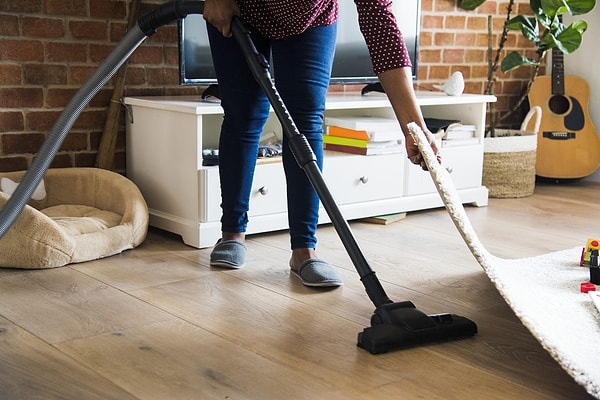
Who wouldn't love it? It's just a question after all.
However, lately, social media has been filling up with perfect homes. The idea of a spotless, organized, and harmonious home has become so popular that the 'cleantok' hashtag, focused on creating the perfect home, has gone viral on TikTok.
If you're a bit too obsessed with cleaning videos and how you can further organize your home, you might have lost control. Courtneyrose Chung, the clinical director of My Denver Therapy, points out that cleanliness can sometimes be used as a mask to hide deeper mental health issues.
Chung says, 'People are now cleaning not just for hygiene, but also to calm the mind, experience a sense of control momentarily, or avoid dealing with uncomfortable feelings.' An excessive desire to clean can be a sign of high-functioning anxiety, where your nervous system is constantly overworking.
There are a few points to note at this stage.
The first one is the shift from saying 'I want to do this' to 'I have to do this'. For instance, it's normal to enjoy a clean and organized kitchen. However, if you can't relax when there are crumbs on the counter, this could be a sign of anxiety.
Do you find yourself reacting disproportionately and getting upset in the face of disarray?
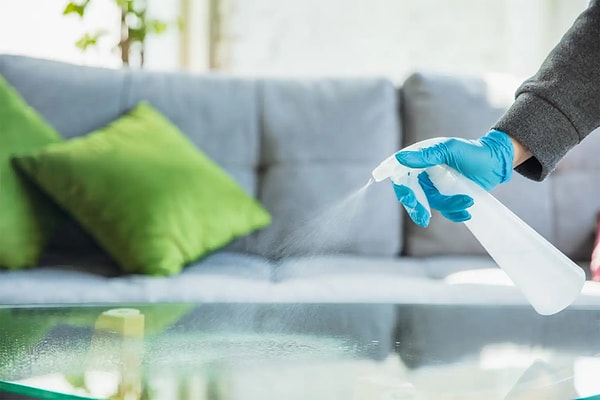
Your partner leaves their jacket on the chair, your child spills crumbs, or your roommate leaves a plate aside, and you instantly become infuriated. Courtneyrose explains, 'When someone 'destroys' your clean space, it can feel like a personal attack on your mental security.' She adds, 'This mess leads to instability. An anger response of 8 out of 10 is a scream that your nervous system has lost control.'
If you are using cleanliness as a way to escape from life responsibilities, this could be another sign that it's about more than just maintaining a tidy home. Courtneyrose stated, 'Cleaning provides immediate, visible control and releases dopamine when completed.'
Psychologists refer to this situation as 'mental pollution.' That is, a sense of pollution that has nothing to do with your actual home, but entirely related to your mental state. If there is no apparent dirtiness, but you are wiping the same spot over and over, the underlying reason could be your anxiety.
Lastly, if you are postponing your other needs to clean, it might be time to start looking for healthier ways to manage your anxiety.
Keşfet ile ziyaret ettiğin tüm kategorileri tek akışta gör!
 Test
Test
 Gündem
 Magazin
 Video
Video



Send Comment