


Copper, Steel, Glass: Which Is the Healthiest Type of Teapot?


One of the most beloved beverages in our country is undoubtedly tea. Consequently, the question 'how is the best tea brewed?' frequently pops up in our discussions. Some people brew their tea in cold water, while others prefer boiled and rested water. But does the teapot also affect the taste of the tea?
This question was definitively answered by a study conducted by scientists from Taiwan. They examined how the material of the teapot influences both the taste of the tea and its health benefits.

A whopping 585 cups of tea were prepared in the quest to investigate the method of brewing the perfect cup.
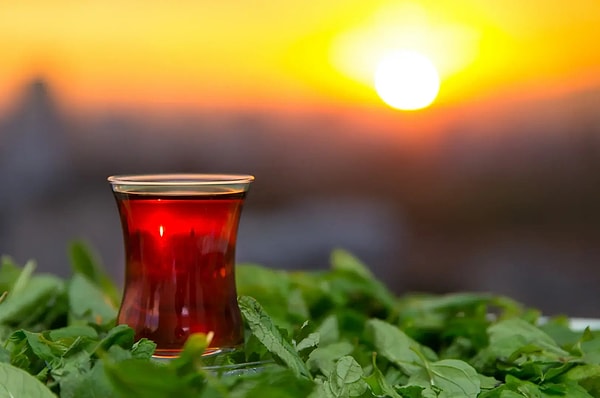
A recent study, conducted at the National Taichung University in Taiwan, has caught the attention of many. The researchers brewed black, green, and oolong teas in five different teapots made from soil, glass, stainless steel, silica gel, and porcelain, resulting in a total of 585 cups of tea.
The method was meticulous: each teapot was filled with 3 grams of tea and 125 ml of boiling water, then left to steep for five minutes. Subsequently, the teapots were gently swirled in a circular motion three times, after which the tea, at a temperature of 70-80°C, was poured into pre-heated cups.
The intriguing findings revealed that black tea, when brewed in a glass or silica gel teapot, contained the highest level of antioxidants. This suggests that these materials are more effective in transferring the health-boosting components into the tea.
So, which teapot is the healthiest?
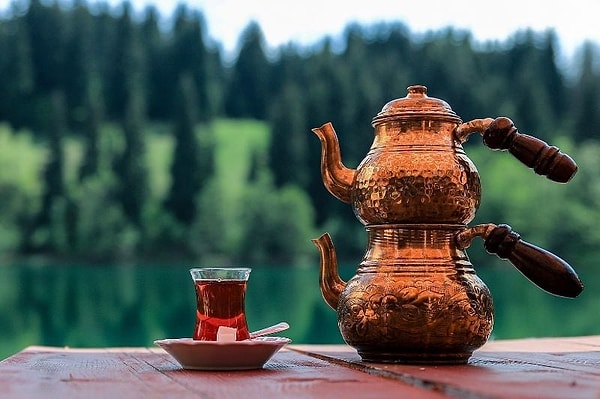
Though porcelain teapots may be the most aesthetically pleasing, they scored the lowest in terms of both flavor and catechin concentration. Moreover, it was highlighted that porcelain is the material that cools tea the fastest.
When it came to flavor evaluation, earthenware teapots took the top spot. Following closely behind were glass and stainless steel teapots.
Glass teapots ranked high when evaluated for both health and taste. Due to their non-porous nature, they trap nothing inside and do not release foreign substances into the water. Consequently, they allow you to see the color of your tea and deliver its taste in its purest form.
So, which teapots should be avoided?
Aluminum: It poses a high risk of mixing with water when heated; it is not recommended for neurological health.
Untinned Copper: Copper teapots that have lost their tin lining can lead to poisoning. They must always be tinned.
Plastic Details: One should steer clear of models with plastic lids or strainers due to the risk of BPA.
Keşfet ile ziyaret ettiğin tüm kategorileri tek akışta gör!
 Test
Test
 Gündem
 Magazin
 Video
Video



Send Comment