


Does Turning Off the Heater at Night Lower Your Bill?


The surge in natural gas bills during the winter months has brought the topic of nighttime heating habits back into the spotlight in households. There's a growing curiosity about whether turning off the heating during sleep hours results in any savings. Energy experts and companies operating in the heating systems sector provide clear answers to this issue. Their calculations distinctly reveal the difference between completely turning off and just lowering the temperature.

Contrary to popular belief, turning off the heater completely at night isn't as economical as it seems.
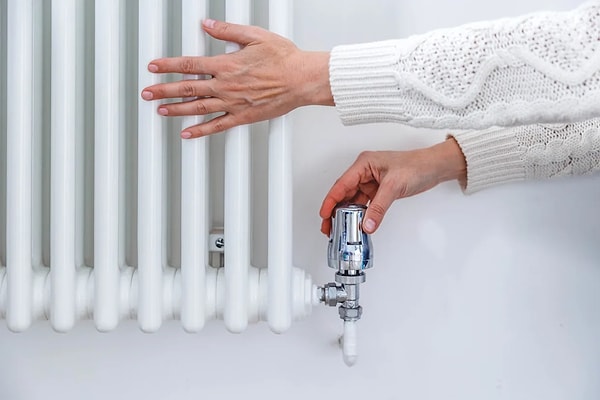
According to specialists working on heating systems, turning off the radiator overnight might seem logical at first glance, but it doesn't provide the expected savings in the long run. In cold weather conditions, the temperature inside the house drops rapidly, and the building loses more heat to the outside environment. When the system is restarted in the morning, the boiler or furnace has to expend more energy to heat the space.
Calculations have shown that the high energy consumption in the early morning hours largely offsets the savings achieved by turning off the system at night. Heating systems operate more efficiently under steady and balanced temperature conditions. Experts are in agreement that sudden temperature changes increase energy consumption.
The primary method of saving is fundamentally rooted in reducing the temperature.
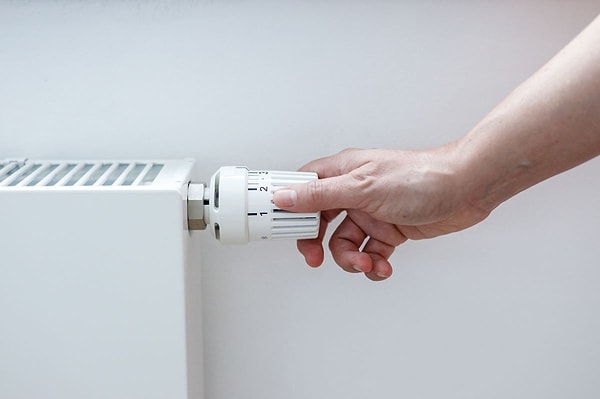
Companies operating in the field of energy efficiency recommend lowering the temperature instead of turning off the heater during night hours. The general advice is to reduce the thermostat setting by approximately 8 degrees during sleep time. Each degree of reduction can lead to an average savings of 1% on heating costs.
The adjustment made during the 8-hour sleep period throughout the night accumulates to significant figures on an annual basis. Thanks to the slowing down of heat loss, the system reaches equilibrium more quickly in the morning hours, preventing excessive consumption.
Health and home security should not be overlooked either.
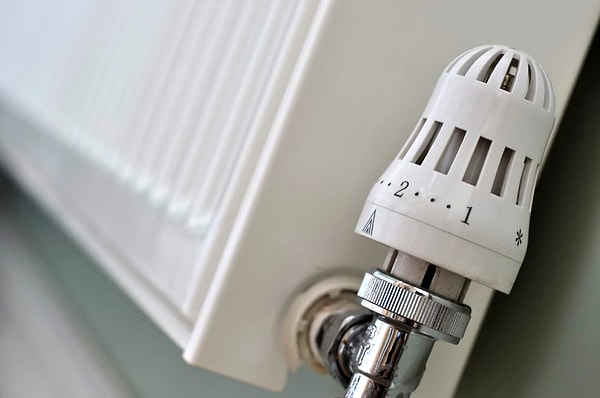
Doctors are raising the alarm that room temperature should not drop too drastically for the sake of sleep quality. Temperatures below 15 degrees can lead to disrupted sleep and a decrease in rest quality. In the long run, inadequate sleep can negatively impact work performance and overall health.
On the home security front, the risk is even higher. Turning off the heating entirely during winter conditions increases the risk of freezing in plumbing systems. Frozen pipes can lead to serious flooding and hefty repair costs.
Experts recommend the use of programmable thermostats to automate day and night settings. This way, not only are energy expenses kept under control, but potential damages can also be prevented.
Keşfet ile ziyaret ettiğin tüm kategorileri tek akışta gör!
 Test
Test
 Gündem
 Magazin
 Video
Video



Send Comment