


6 Annoying Behaviors of Emotionally Intelligent Children


You may have referred to some children as being more 'naughty' than others. They can't seem to sit still, they run around from place to place, and they tend to exhaust their parents. It seems as though their energy never runs out. Another thing that never ends is their questions. When you don't want them to do something, you need to explain the reasons why. Only then, if it makes sense to them, will they stop.
So, what does psychology say about these so-called 'naughty' children?
Here are 6 behaviors exhibited by children with high emotional intelligence.

Children with high emotional intelligence tend to exhibit different behaviors.
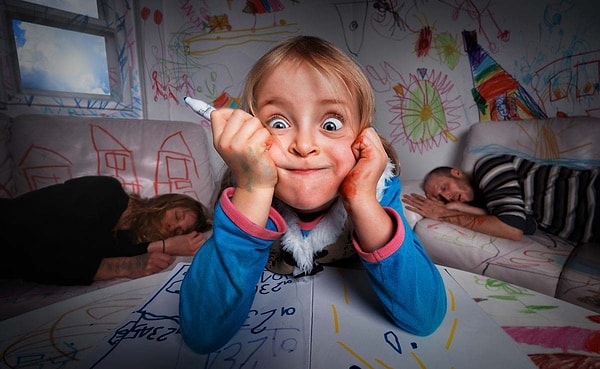
Upon first encounter, you might describe them as 'mischievous' or 'little adults'. However, psychology suggests that these challenging behaviors are actually indicators of curiosity, emotional awareness, self-confidence, and strong communication skills. These 'difficult' traits, which many adults aspire to possess, manifest themselves differently during childhood.
Children with high emotional intelligence:
Ask 'why' to everything
Point out your mistakes immediately
Recount the same story over and over
Repeatedly ask if you're angry, even if you assure them you're not
Echo your conversations word for word
Narrate everything they do
So, what does emotional intelligence mean?
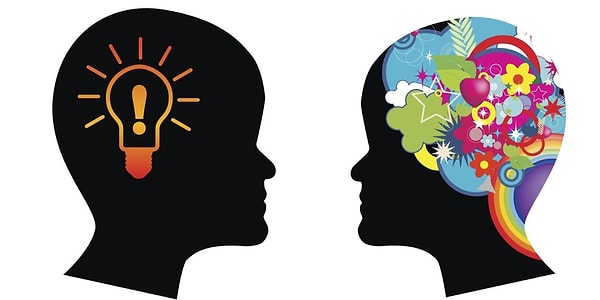
Emotional intelligence is not merely about being able to empathize. It involves an individual's ability to recognize their own emotions, express them appropriately, and understand and respond accordingly to the emotions of others. In other words, when a person has high emotional intelligence, they not only understand the emotion but also know how to handle it.
While there is an innate aspect to emotional intelligence, it is largely learned and developed through experience. Steps taken during childhood, in particular, have a profound impact on later life. Children will develop their emotional intelligence when they learn to recognize their emotions without suppressing them, learn to empathize, are given opportunities to solve problems, and are not judged.
Other indicators of emotional intelligence in children include:
Being able to express their emotions in words (for example, being able to say 'I'm angry' or 'I'm upset')
Recognizing when other children are sad or happy
Exhibiting empathetic behaviors such as sharing and taking turns
Being able to calm down without completely losing control when angry
Feeling regret and trying to make amends when they make a mistake
Gradually accepting rules and boundaries, even if they initially react emotionally.
Keşfet ile ziyaret ettiğin tüm kategorileri tek akışta gör!
 Test
Test
 Gündem
 Magazin
 Video
Video



Send Comment