


Slavery Is Becoming Legal in Afghanistan


Following the withdrawal of US troops, the Taliban, who seized control in Afghanistan, published their new criminal laws consisting of a total of 119 articles on January 4th, and dispatched them to courts across the country for implementation. The inclusion of the concepts of 'master' and 'slave' in the Taliban's new penal code has sparked significant backlash. Moreover, according to the new penal code, Afghan society is divided into four groups: religious scholars, elites, middle class, and lower class, with different punishments to be applied according to these classes.
Source: The Diplomat

The sweeping new penal code introduced by the Taliban, who have once again seized control in Afghanistan, has sparked considerable backlash.
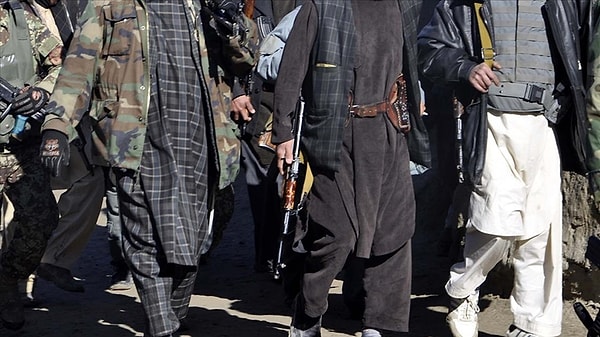
The new penal code introduced by the Taliban fails to recognize universally accepted rights such as access to a lawyer, the right to remain silent, or basic procedural safeguards. Moreover, the definitions of crimes are left ambiguous. The phrase 'dancing is prohibited' included in the law paves the way for the banning of any form of social entertainment that does not conform to the Taliban's conditions. The new law also legally mandates the demolition of 'immoral places', yet it fails to define what constitutes these immoral venues.
The term "slavery" appears in the Taliban's new penal code.
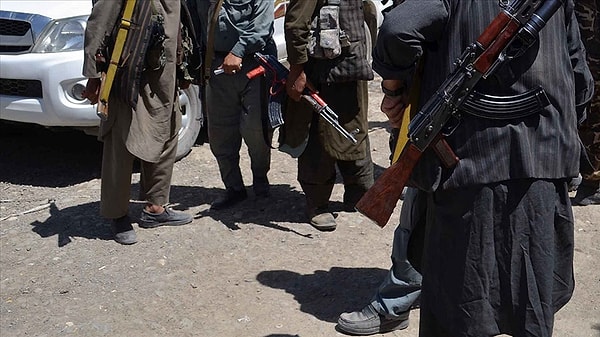
The most controversial aspect of the new penal code implemented in Afghanistan is the inclusion of the concepts of 'master' and 'slave'. These terms, frequently appearing in the legal articles, indicate a legal acceptance of slavery in Afghanistan, a practice that is universally banned.
Moreover, the new law legitimizes violence. Except for severe injuries, the law does not consider violence against children as a crime. It explicitly states in the law that fathers can punish their 10-year-old children for missing prayers.
Under the new legal provisions, women will face penalties if they venture outside without their husbands' permission.
Society is divided into four classes.
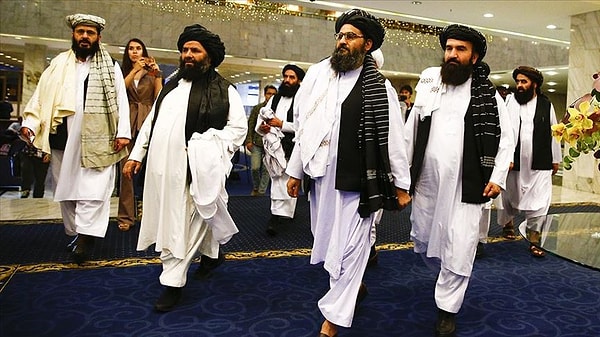
The new legislative provisions divide the Afghan society into four classes: religious scholars, elites, middle class, and lower class. Each group will be treated differently under the law. Even if they commit the same crime, religious scholars will be 'warned', while someone from the lower class will be sentenced to prison.
Moreover, under the new law, individuals perceived as 'corrupt' or 'deviant' can be sentenced to death without trial.
A statement from the Afghan human rights organization Rawadari expressed, 'This law has nothing to do with justice. It's about creating a system where the state can punish anyone, at any time, without any explanation.'
Richard Bennett, the United Nations Special Rapporteur on Human Rights in Afghanistan, commented in X, 'I am still examining the Taliban's new Criminal Procedure Law from the perspectives of human rights and Sharia; however, it is already very clear that the implications for Afghans are extremely concerning.'
Keşfet ile ziyaret ettiğin tüm kategorileri tek akışta gör!
 Test
Test
 Gündem
 Magazin
 Video
Video



Send Comment