


Jurassic Park Becomes Reality as Mosquitoes Reveal Animal DNA in Florida


Scientists from the University of Florida have managed to identify the DNA of nearly all vertebrate species in a given area through the blood consumed by mosquitoes. This research, reminiscent of scenes from Jurassic Park, unveils a novel approach to observing nature.

The blockbuster movie Jurassic Park, which hit the big screen in 1993, revolved around scientists extracting DNA from mosquitoes frozen in amber, in a groundbreaking attempt to bring dinosaurs back to life.
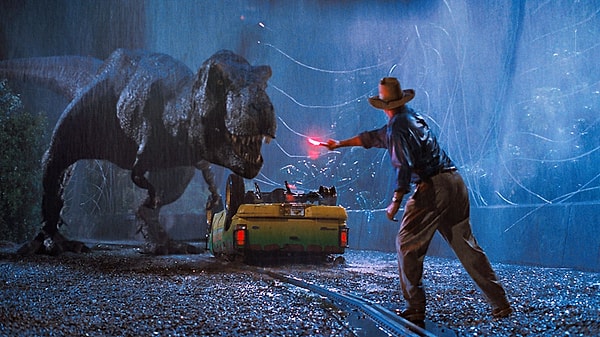
In the movie, the words of John Hammond, 'There were mosquitoes just like today 100 million years ago,' served to draw attention to both the past and the enduring relationship these blood-sucking insects have had with animals since ancient times.
Researchers from the University of Florida have employed an approach reminiscent of a movie plot, utilizing the blood of mosquitoes to examine biological diversity.
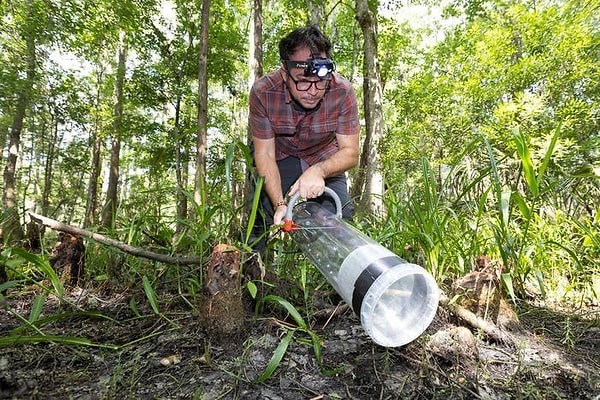
In an eight-month-long study, the DNA of 86 different vertebrate species was identified from the blood consumed by tens of thousands of female Florida mosquitoes.
Dr. Lawrence Reeves, an entomologist at the university, stated, 'Through mosquitoes, we have identified a wide range of species, from the smallest frogs to large mammals like deer and cows. We've pinpointed species that live in trees, migrate or are sedentary, amphibious, native or invasive.'
The purpose of the research was not to resurrect extinct species, but rather to map out all vertebrate life in the DeLuca Conservation Area and its surrounding region, under the stewardship of the university.
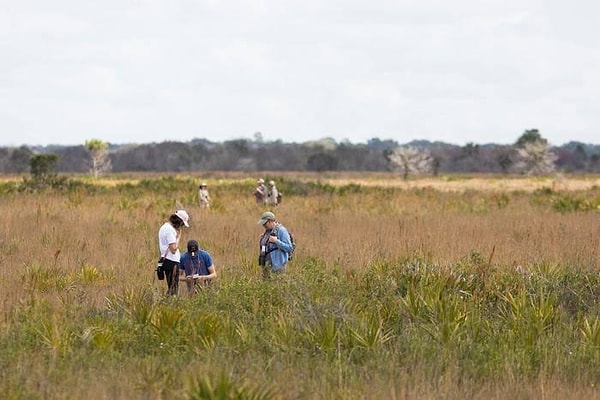
This area, located approximately 80 miles south of Orlando, is comprised of protected wetlands.
Scientists employed vacuum traps in their quest to capture well-nourished female mosquitoes. These female mosquitoes rely on the protein in blood for reproduction, and can lay up to 200 eggs in a single instance. Analysis of over 2,000 blood samples revealed that mosquitoes are not picky eaters. Bald eagles, coyotes, rattlesnakes, otters, frogs, turtles, and alligators... All these species were under threat.
This method allowed for the identification of nearly all the biological diversity of vertebrates living in the region. However, the Florida puma, a large mammal, could not be detected. Researchers suggest this is due to the puma population being quite small. It is estimated that only 120-230 adult pumas exist in the vicinity of Lake Okeechobee in Southeast Florida. Consequently, finding mosquito samples that have fed on them is quite challenging.
Keşfet ile ziyaret ettiğin tüm kategorileri tek akışta gör!
 Test
Test
 Gündem
 Magazin
 Video
Video



Send Comment