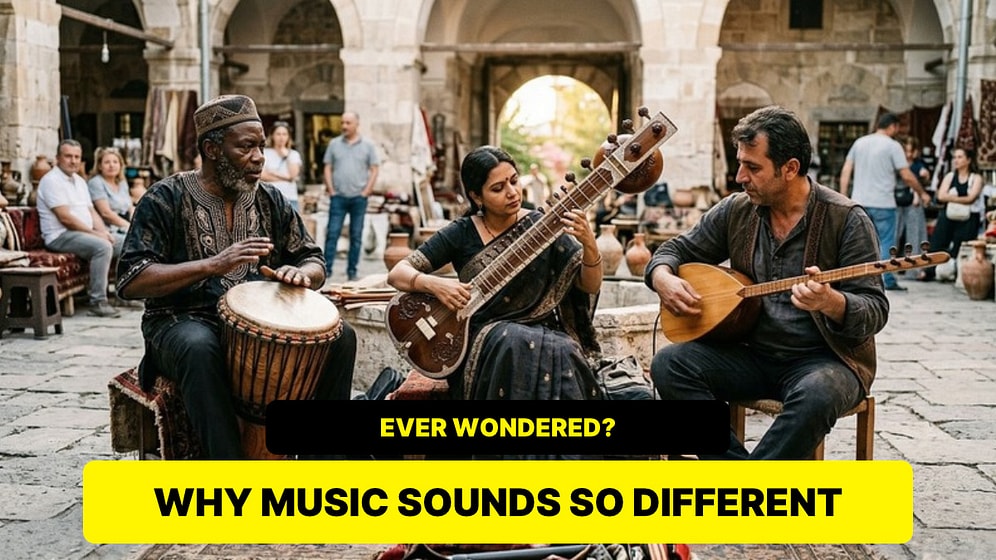
Why Does Music Sound So Different in Different Parts of the World?
Have you ever thought about it? In one corner of the world people dance to upbeat rhythms, while somewhere else they listen to slow, emotional melodies. Some songs make a culture we have never known feel familiar, while others take a few listens before they click. The reason is not just that people have different tastes in music.
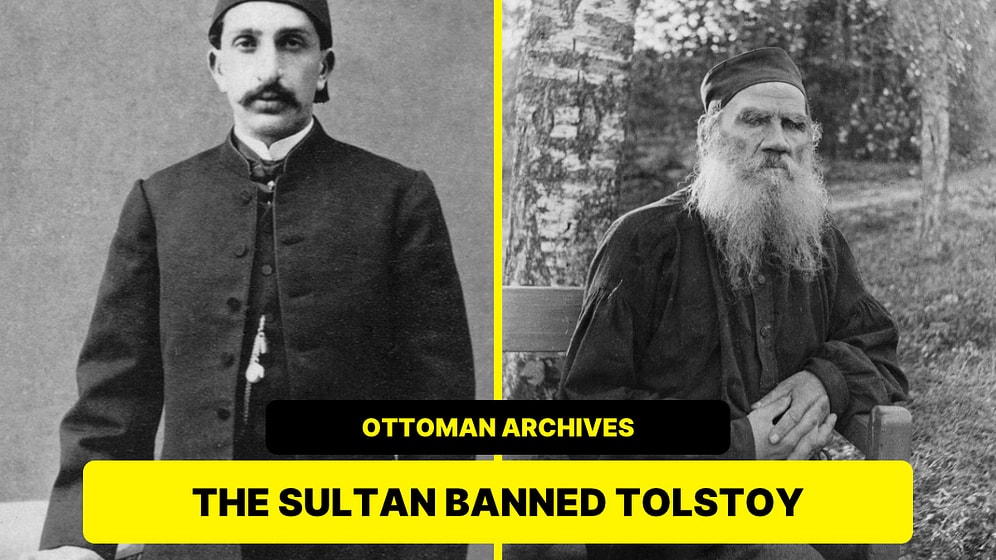
Why Did Abdülhamid II Ban a Leo Tolstoy Book? What the Ottoman Archives Reveal
Two sets of documents in the Ottoman Archives that mention Leo Tolstoy show the beginning and the end of the same ban. In 1901, Sultan Abdülhamid II kept one of the writer's books out of the empire and had the copies already in bookshops collected. Five years later, when two newspapers in Beirut quoted Leo Tolstoy, Istanbul sent one warning after another. Why? In the documents, the official reason takes up a single sentence. Here is what the Ottoman papers say, in chronological order.
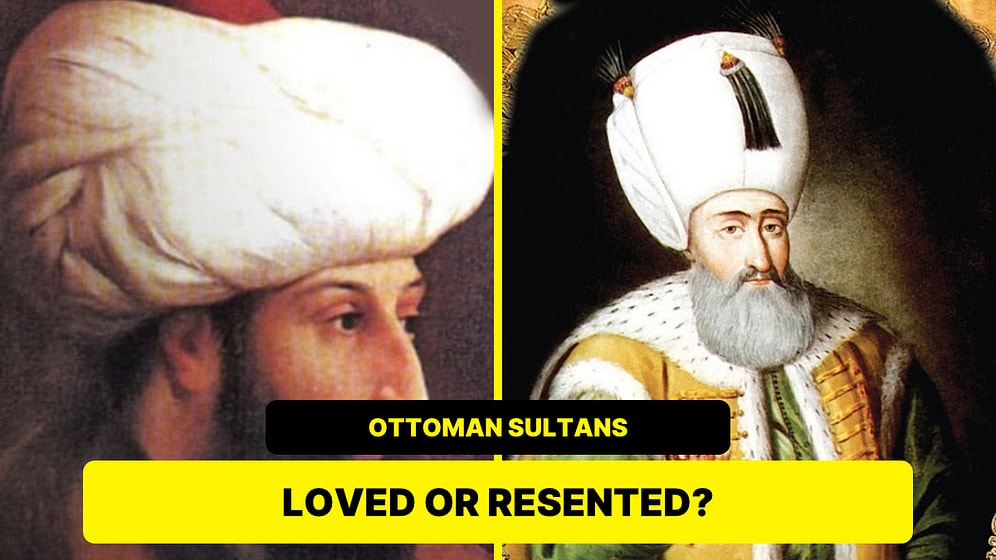
Even Mehmed the Conqueror and Suleiman Made the List: Ottoman Sultans the People Resented and Loved
Today we remember Mehmed the Conqueror (Fatih Sultan Mehmed) and Suleiman the Magnificent (Kanuni Sultan Süleyman) for their great victories. But what did ordinary people think of them in their own time?A sultan's place in the history books and his place in the eyes of his subjects were not always the same. Fratricide, land reforms, sweeping changes: these are what angered the people, and also what won them over. Let's start with the sultans who were not so popular.
Why Does Every Turkish ID Number End In An Even Digit?
Take a close look at an eleven-digit Turkish identity number (T.C. Kimlik Numarası) and you will notice that the last digit is always 0, 2, 4, 6 or 8. The question was taken to the Turkish Parliament in 2009 through a written parliamentary question, and the Ministry of Interior confirmed that no ID number ends in an odd digit. The ministry explained that the numbers carry no information about the person, are generated by a mathematical algorithm, and that the last two digits serve as a check field. The even last digit is no coincidence: it is a direct result of that check calculation.
Earworms: Why Does a Song Get Stuck in Your Head for Days, and How Do You Get It Out?
You hear a song on the radio in the morning, or catch just a few seconds of it in a TikTok video. Hours pass, even days, and the melody keeps looping in your head. In the shower, at work, even while you're trying to fall asleep, the same chorus keeps playing.So why do some songs stick to our brains like chewing gum while others vanish right away? What is behind the annoying yet fascinating experience scientists call an 'earworm,' or involuntary musical imagery (INMI)? And most importantly: how do you get rid of it?Here is the science behind the musical trick your brain plays on you.
Advertisement
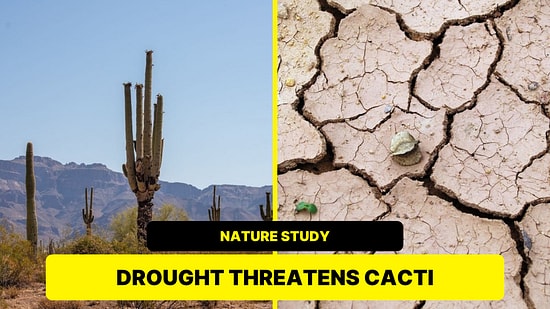
Nature Study On Cacti Finds The Picture Changes Once Severe Drought Is Factored In
A study published in the journal Nature modelled the future of cacti in the Americas while also accounting for severe droughts. The team examined around 650,000 observation records and 993 cactus species. For the same species, the result obtained with average climate conditions alone is very different from the result once drought is added. The researchers also drew attention to a second factor that threatens cacti.
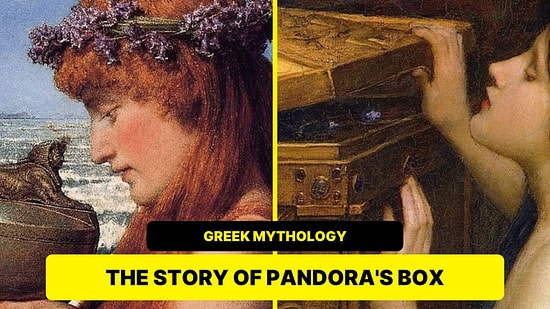
Pandora, The First Woman Of Greek Mythology And The Gift Of The Gods
The name Pandora turns up all the time in everyday life, and the phrase Pandora's box is used far beyond mythology. The Pandora behind it is the first woman of Greek myth, and her story begins with a quarrel between Zeus and Prometheus.So who was Pandora, and what was in the container she opened? The best-known early version of the story comes from the Greek poet Hesiod.
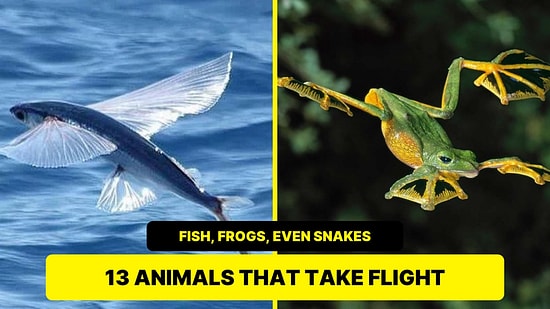
No Wings, Still Airborne: 13 Surprising Animals That Glide And Leap Through The Air
Some animals have no wings and still travel many metres through the air. Some shoot out of the water like a rocket, some jump from a treetop and turn their body into a parachute, and some flatten themselves and ripple through the air like a ribbon.What they have in common is that none of them developed the skill for fun. They use it to escape, to hunt, or to move through the forest without wasting energy.
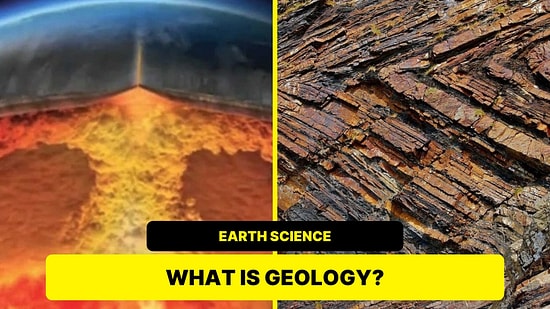
What Is Geology? A Guide to the Science of Planet Earth
Geology, also known as earth science, is the science whose main subject is Earth itself. It mainly studies the content, structure and properties of the rocky outer shell of the planet. While Earth is its core subject, geology can also study other planets and natural satellites. A large part of the field looks at how Earth's materials, structures, processes and organisms have changed over time.Here is what you need to know about geology.
Advertisement
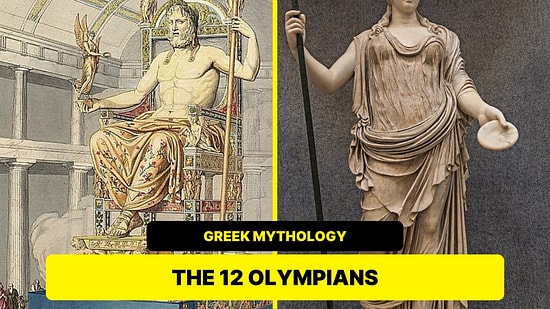
The 12 Olympians of Greek Mythology: Their Roman Names and Symbols
Classical Greek mythology tells stories about how the universe was created and about the lives of gods, goddesses and heroes. The gods were believed to live on Mount Olympus in the Thessaly region, Greece's highest peak at 2,919 meters.Here are the 12 great gods and goddesses of Olympus, along with the names the Romans gave them and the symbols they are known by.
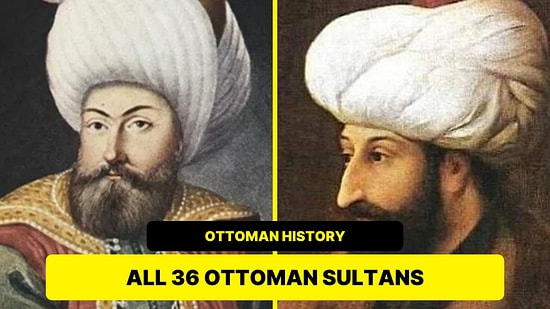
All 36 Ottoman Sultans in Order: From Osman I to Mehmed VI
The Ottoman state was founded by Osman Gazi of the Kayı branch of the Oghuz Turks and lasted from the end of the 13th century until 1922. In that time 36 sultans sat on the throne. The sultan stood at the top of the military, political and legal order, and his decrees were known as fermans. After the conquest of Istanbul in 1453 the sultans also saw themselves as heirs to the Roman Empire and took the title Kayser-i Rûm. Here is the full list, period by period.Note: dates for the earliest reigns differ slightly between sources.
What Is an Analogy? How Reasoning by Similarity Works
We use analogies all the time, often without noticing. When two things are alike in some ways, we tend to assume they are alike in others too. That simple move has a name in logic: reasoning by analogy. Here is what it means, where it is used and why its conclusions should be handled with care.
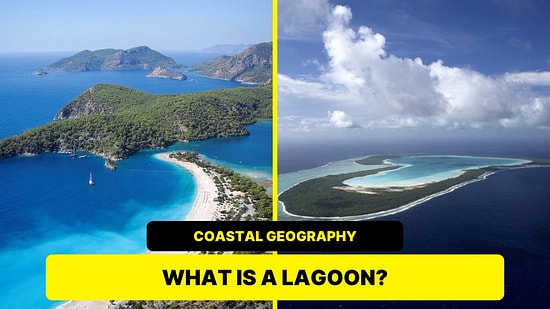
What Is A Lagoon? How These Calm Coastal Waters Form And The Two Main Types
The word lagoon comes from the Italian 'laguna,' used for a lake or pond. Lagoons are usually found along coastlines: a stretch of water separated from the open sea by a natural barrier, so it looks like a calm, enclosed area of its own. In Turkey, for example, lagoons can be seen in the Yeşilırmak, Kızılırmak and Büyük and Küçük Menderes deltas, at Ölüdeniz near Fethiye and at Lake Terkos.
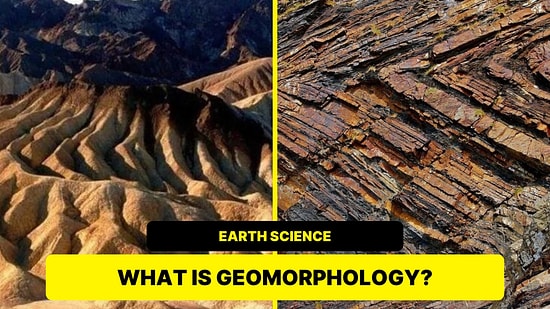
What Is Geomorphology? The Science That Explains How Mountains, Valleys And Coasts Take Shape
Geomorphology is the branch of geology that describes and classifies landforms and studies the forces and processes that shape them. The word combines the Greek 'geo' (Earth) and 'morph' (form). The American geologist William Morris Davis, often called the father of the field, is credited with shaping it into a discipline in the late 19th century.Here is what you need to know about geomorphology.
Advertisement
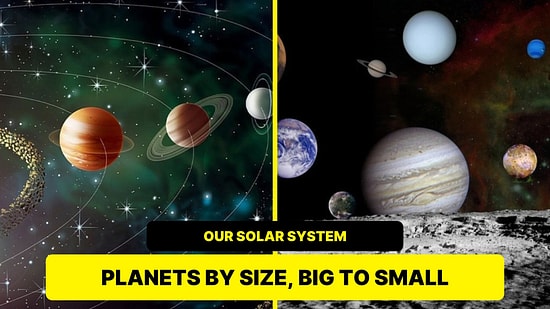
The Planets Of The Solar System In Order Of Size, From Giant Jupiter To Tiny Mercury
The solar system is held together by gravity: the Sun, eight planets and their moons, plus dwarf planets, asteroids, comets and countless smaller bodies. Planets give off no light of their own; they shine by reflecting sunlight as they orbit the Sun. Only five of them, Mercury, Venus, Mars, Jupiter and Saturn, can be seen from Earth with the naked eye. So how do the eight planets rank by size? Here is the full list.
What Is Simulation Theory? Are We Living Inside A Computer Simulation?
Simulation theory is a philosophical idea that questions the reality of our existence. It asks whether the universe and everything in it could be part of a computer simulation run by a far more advanced civilization. Here is what the theory says, where its modern form comes from, and why many thinkers remain unconvinced.
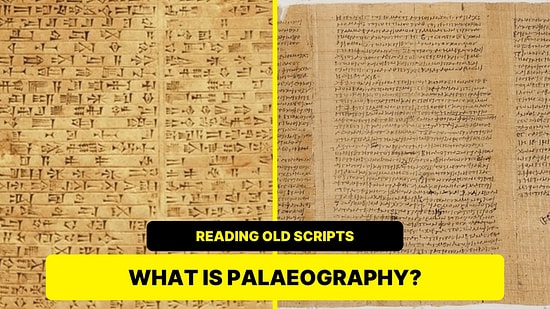
What Is Palaeography? The Science Of Reading And Dating Old Handwriting
Palaeography is the discipline whose main task is to read old handwriting correctly and to work out when and where it was written. A person who works in this field is called a palaeographer. Palaeographers decipher the alphabets used throughout history and help us read documents, which makes them important figures in shedding light on historical events. Here is what the field is all about.