


Iran's Lut Desert Reached 80.8°C At Ground Level: How Life Survives On One Of Earth's Hottest Surfaces


70.7 degrees Celsius. That is the ground temperature NASA's Aqua satellite measured in Iran's Lut Desert in 2005. The story told for years, that not a single living thing survives there, turned out not to be true.


Even its name means "empty" in Persian.
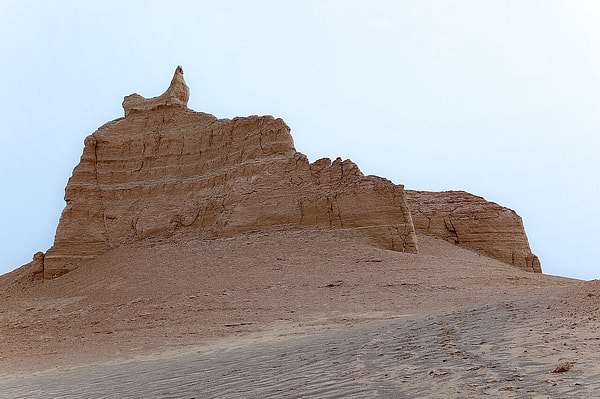
The word Lut means bare or empty in Persian. Stretching between the provinces of Kerman and Sistan and Baluchestan in southeastern Iran, the desert covers about 51,800 square kilometres. It most likely receives less than 30 millimetres of rain a year.
Photo: Ninara / Wikimedia Commons (CC BY 2.0)
Satellites measured 70.7°C here in 2005.
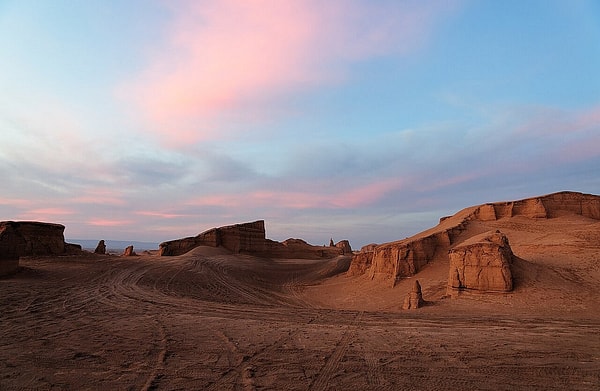
Researchers from the University of Montana went through the 2003-2009 data from the MODIS instrument on the Aqua satellite. The Lut Desert turned out to be the hottest spot on the planet in five of those seven years, and the highest value was the 70.7°C measured in 2005.
That figure is the temperature of the ground. Death Valley's famous record of 56.7 degrees, by contrast, was measured in the air. According to the researchers, what the hottest places have in common is dry, rocky and dark-coloured ground.
Photo: Lrkrol / Wikimedia Commons (CC BY 4.0)
Newer measurements raised the record to 80.8°C.
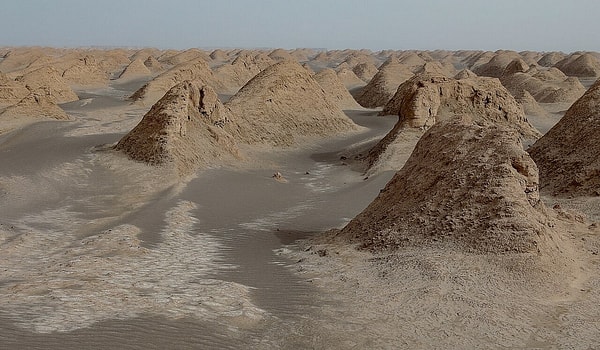
A newer analysis based on sharper satellite data showed that the 2005 figure was too low. According to a study published in the Bulletin of the American Meteorological Society in 2021, the ground in the Lut Desert reached 80.8°C in 2018.
The same value was measured in 2019 in Mexico's Sonoran Desert, so the record is now shared by the two deserts.
Photo: Ninara / Wikimedia Commons (CC BY 2.0)
The ridges sculpted by the wind resemble those on Mars.
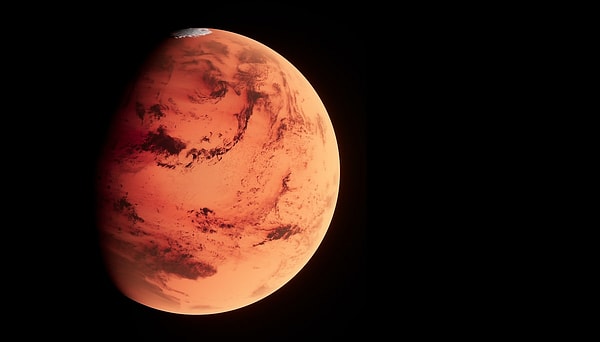
The giant ridges in the middle of the desert are called kaluts in the local language. Carved by the wind, these formations reach 75 metres in places, and scientists compare them with similar wind-shaped features on Mars.
The hottest part is the Gandom Beryan plateau, which is covered in dark lava. The black rock heats up as it absorbs the sun. Its name means roasted wheat in Persian: the story goes that wheat left here by a caravan was roasted by the sun.
There Is Life In This Desert, But Its Food Comes From Outside
There are almost no plants in the interior of the desert, but there are animals. A study published in 2021 by researchers from the Stuttgart State Museum of Natural History examined Misonne's spider geckos living in the hottest core of the desert. DNA from 94 species was found in the stomachs of six lizards, and about 81 percent of it belonged to flying insects such as flies, moths and wasps that migrate from the surrounding temperate regions. The geckos survive thanks to this food chain linking the desert to its surroundings.
In 2020, a freshwater crustacean new to science was also described from a small seasonal lake in the south of the desert: Phallocryptus fahimii. Because aquatic life in the Lut is so limited, researchers consider the find especially rare.
UNESCO Added It To The World Heritage List In 2016
The Lut Desert was inscribed on July 17, 2016, at the 40th session of the World Heritage Committee in Istanbul. The protected area of about 2.28 million hectares holds the world's best examples of kaluts formed by wind erosion. The committee listed it under the criteria of natural beauty and ongoing geological processes.
Keşfet ile ziyaret ettiğin tüm kategorileri tek akışta gör!
 Test
 Gündem
 Magazin
 Video



Send Comment