


Why Were Ottoman Sultans So Often Portrayed In Profile?


Look at the portraits of Ottoman sultans and you will see many of them in a similar pose. Their faces are usually shown from the side rather than straight on. The same convention appears centuries earlier in the statues of Roman emperors. The side pose is thought to have been about much more than looks.

Depicting sultans from the side turned into a tradition over time.
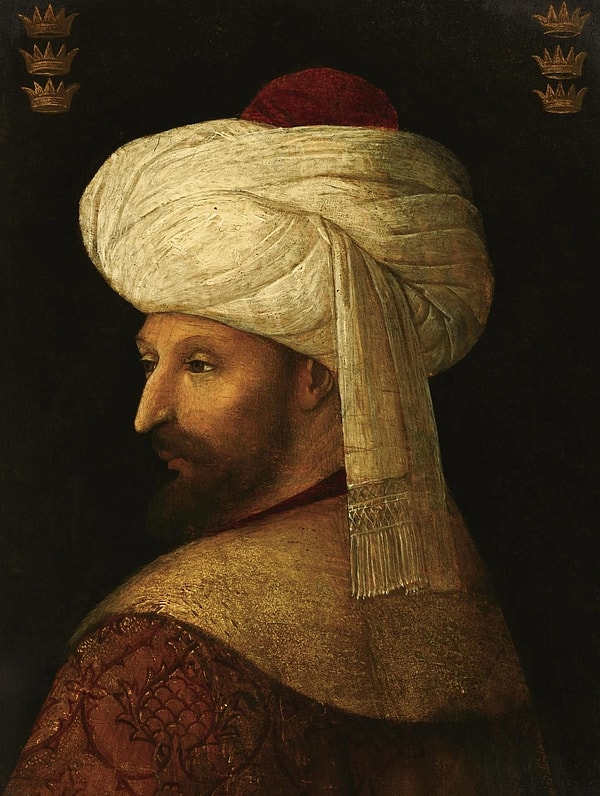
In painted portraits of the Ottoman sultans, we mostly see them in profile. The choice was not unique to one sultan; it became a tradition handed down from one generation to the next. The famous portrait of Mehmed II, known as Mehmed the Conqueror, is one of the best-known examples.
It was not limited to the Ottomans either. The same side-on stance can be seen in the statues and coins of Roman emperors. By all appearances, the profile pose worked as an indirect display of power for rulers.
What The Court Photographer Remembered
The memoirs of Febus Efendi, who worked as a photographer at the Ottoman court for 23 years, show how particular the sultans were about photographs. Febus Efendi recounted that Sultan Reşad posed quietly and left once the job was done, while Sultan Abdülhamid was very meticulous when posing. Sultan Abdülhamid regarded photographs as documents and built up a photographic archive of his own.
By Febus Efendi's account, in 23 years he was invited to photograph Sultan Abdülhamid only once. The sultan needed to present a decoration bearing his own likeness, and the photograph was taken to be set into it. When Febus Efendi set up his camera at Yıldız Palace, the sultan told him, 'Prepare however you see fit,' came back a few minutes later, sat in the armchair that had been arranged and asked to be told when the picture was being taken.
The real key to the side pose is thought to lie in the aquiline nose.
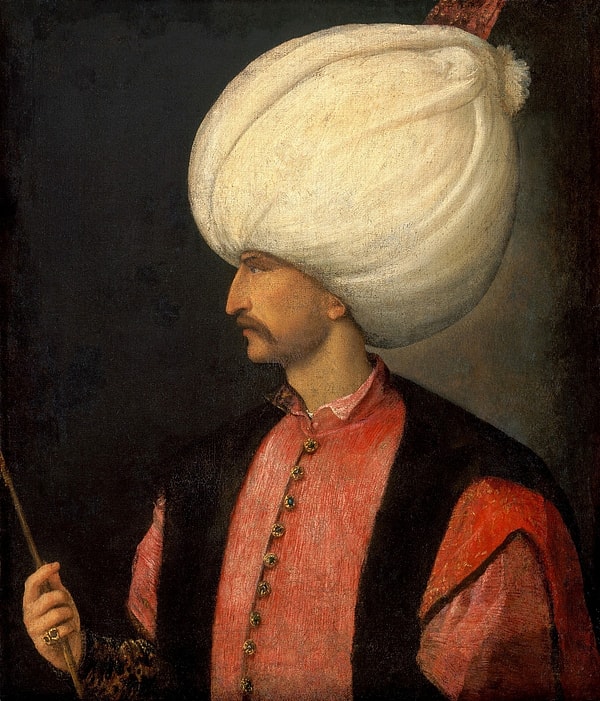
The most striking interpretation of the profile pose involves the nose. The aquiline nose, a frequent subject of cosmetic surgery today, was known in those times as the 'Roman nose' and was associated with noble people. Over time it came to be accepted as a symbol of power.
Seen from the side, an aquiline nose resembled the beak of the eagle, the emblem of the Roman Empire. Rulers are thought to have claimed the strength of that powerful bird of prey for themselves. By this reading, the Ottoman sultans may also have had themselves portrayed in profile to show that they did not see themselves as inferior to the Roman emperors.
Keşfet ile ziyaret ettiğin tüm kategorileri tek akışta gör!
 Test
 Gündem
 Magazin
 Video



Send Comment