


How Much Should An Adana Kebab Weigh? 15 Turkish Dishes And Their Official Specs


Order one and a half portions of Adana kebab and 180 grams of meat should arrive on your plate. That measure is written in the dish's registration document at the Turkish Patent and Trademark Office. Here is what the official documents say about 15 dishes with a geographical indication, drawn from all seven regions of Türkiye.

An Adana kebab skewer carries 120 grams of meat, which rises to 180 grams for one and a half portions.
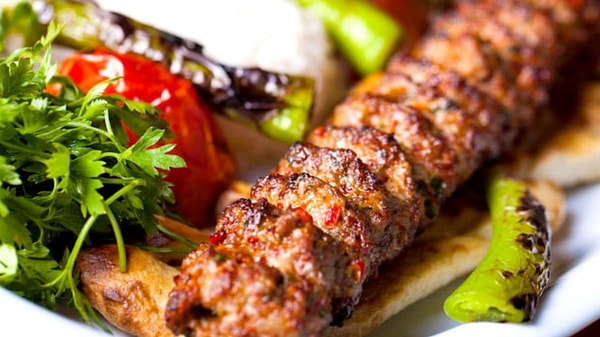
Registered by the Adana Chamber of Commerce, the kebab is entry number 65 in the registry, dated February 8, 2005. According to the document, the meat comes from a male sheep at least one year old raised on highland pastures, and it is minced with a zırh, a large knife held with both hands.
Nothing goes into it except tail fat, salt and red pepper. Tomato paste and black pepper are not allowed, and neither is running a fan beside the grill.
The dough for Kayseri mantı is cut into squares with sides of 15-16 millimetres.
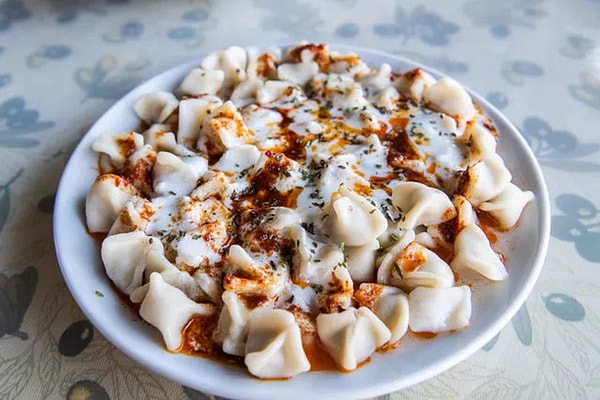
The document for these dumplings, registered in 2009, even quotes an old local saying: 'Forty mantı on one boxwood spoon.' In other words, they should be small enough for 40 to fit on a single spoon.
The dough is rolled out to a thickness of 1-1.2 millimetres, and one kilogram of mantı contains at least 300 grams of filling. The filling gets its aroma from basil.
The meat and marrow bones for Antep beyran simmer over low heat for 10-12 hours.
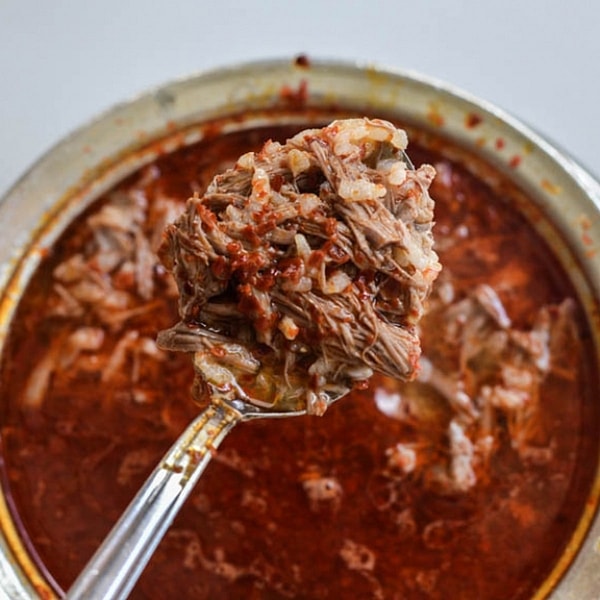
That is why the pot goes on the stove the night before. The document records that the first beyran shop in the Gaziantep bazaar opened in 1885.
Only the foreleg and neck meat of the sheep is used, and the meat, pulled apart into strands, is laid over boiled rice. It has to be served in a copper pan while still boiling. Gaziantep Metropolitan Municipality had the dish registered in 2017.
Oltu cağ kebab cooks over a wood fire on a spit that lies horizontally.
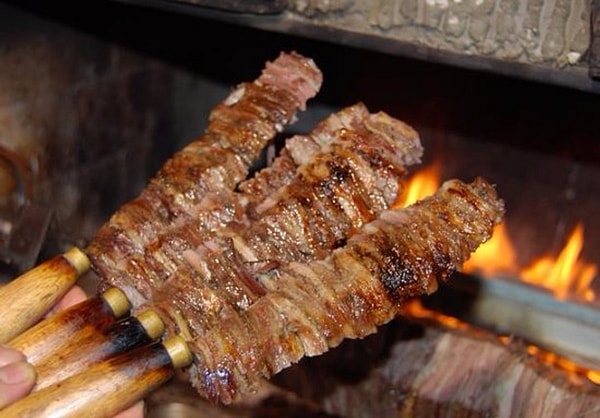
The kebab takes its name from the cağ, the small 20-centimetre skewer onto which the cooked meat is sliced and threaded. One cağ holds about 80 grams of meat on average.
According to the document, meat from a sheep at least one year old is salted and rested for a day, then kneaded with chopped onion and black pepper. Fruit wood or oak burns in the hearth, and the spit turns 15 centimetres above the fire. The Oltu Chamber of Commerce and Industry obtained the registration in 2010.
Antalya Piyazı Counts As A Main Course, Not A Salad
What sets it apart from other bean dishes is the tarator sauce poured generously over the warm beans. Tahini, grape vinegar, lemon juice, rock salt and crushed garlic go into the sauce. It used to be made with Çandır beans; since their production has declined, small beans that hold their shape while cooking are chosen instead. The registration dates from 2017.
Rize Muhlaması Is Not Stirred Again Once The Cheese Goes In
Butter and corn flour are toasted in a copper pan with a wooden spoon, and when boiling water is added the mixture thickens to the consistency of pudding. Kolot cheese pulled into strands is laid on top and pressed down lightly. Then the heat is turned up for 10-15 seconds, and that is all. The document also notes that muhlama is a wedding dish in Rize. It was registered in 2021.
Susurluk Tostu Is Not Made With Kaşar Cheese
The document is clear: the filling is lightly salted kelle cheese aged for at least two months. A toast made with kaşar or white cheese cannot be called Susurluk Tostu. The sucuk must be made entirely of beef, the pan bread is produced only in Susurluk, and the sandwich is toasted in a chained cast-iron press at 200-250 degrees. This district of Balıkesir obtained the registration in 2017.
Bitlis Büryan Kebabı Cooks Hanging From A Hook In A 2.2-Metre-Deep Pit Oven
The meat comes from a male goat under one year old, known locally as hevur. Salted with rock salt, the carcasses are hung above a water-filled copper cauldron lowered onto oak embers. The oven's iron lid is sealed with mud to keep air out and is opened about two hours later. It is often served with fresh grapes. The document links the dish's name to Murad IV's Revan campaign, though that is a legend.
Konya Etliekmek Reaches 85-90 Centimetres In Length
It is 15-20 centimetres wide. It bakes in 4-5 minutes in a stone oven fired with oak wood, its edges are not folded over and the top stays open. The registration dates from 2017.
Akçaabat Köftesi Contains Neither Onion Nor Spices
Only beef, stale bread, suet, garlic and salt go into the mix. Each meatball weighs 33-40 grams, is at most 2 centimetres thick and is round. The mixture is kneaded for about an hour and the meatballs rest for two hours. No fan is used while they cook over charcoal. Registered in 2010, the dish is tied to the Akçaabat district of Trabzon.
The Greens For Milas Tepsi Böreği Are Sold Mixed At The Market As 'Pie Greens'
Greens gathered from gardens and the wild are combined with Milas çökelek cheese and olive oil from memecik olives with an acidity below 1 percent. This pie from Muğla has been registered since 2018.
Siirt Perde Pilavı Is The Oldest Registered Dish On This List
Its registry number is 58 and the registration date is July 15, 2004. The pilaf contains one chicken or three partridges, pine nuts, almonds, black pepper, cumin, red pepper and cinnamon. A pot with a wide mouth and narrow base is greased and lined with almonds, then covered with a 1-millimetre sheet of dough. Once out of the oven, it is turned upside down onto a tray and sliced with a knife.
Eskişehir Çiğböreği Is Not Eaten With A Knife And Fork
The registration document says that, too. A 25-gram minced meat filling goes onto dough rolled out to 20 centimetres across, and the pastry fries in hot sunflower oil in 25-30 seconds. One portion is five pieces. It was registered in 2012.
One Tekirdağ Köftesi Weighs 15 Grams, And A Portion Is 10 Meatballs
Each is 6.5 centimetres long and 1.5 centimetres across. The kneaded mixture is pressed into trays before shaping and rested in the cold for at least 18 and at most 24 hours. According to the document, that wait gives the meatball its springiness. The meat comes from a male calf no more than two years old raised in Tekirdağ. The registration dates from 2020.
Çine Köftesi Stays On The Grill For Only 2-2.5 Minutes
Rib or foreleg meat is used from male cattle aged 1-1.5 years that graze on pastures in the Çine district of Aydın. The animals must not have been fed silage or sugar beet pulp. The mix contains suet, onion, salt and cumin. The meatballs are 3-3.5 centimetres wide and 5-5.5 centimetres long. The registration was made in 2018 in the name of Çine Municipality.
Keşfet ile ziyaret ettiğin tüm kategorileri tek akışta gör!
 Test
 Gündem
 Magazin
 Video



Send Comment