


Sıvış Year: The Ottoman Practice Of Dropping One Year From The Books Every 33 Years


In the Ottoman Empire, state accounts were based on the solar year, while the religious calendar was based on the lunar year. Because the two years were not the same length, the gap between them kept growing. To close it, the state removed one year from its accounts every 33 years. Here is how the practice known as the sıvış year came about.


The lunar year is shorter than the solar year, so the two calendars drifted apart.
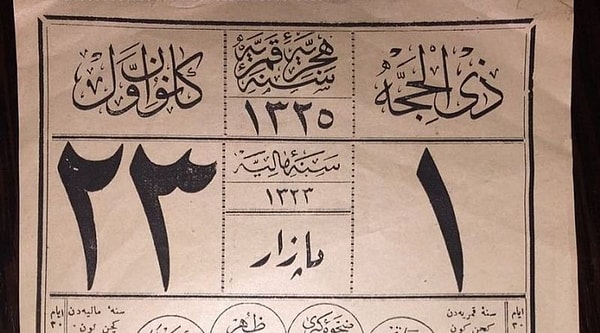
Because the Islamic calendar follows the moon, its year was shorter than the solar year. For the same reason the lunar months slowly moved through the seasons. By the time roughly 33 solar years had passed, the lunar calendar had counted 34.
Ottoman financial affairs, however, ran on a calendar based on the solar year. The difference between the two calendars led to extra costs in the accounts, and the idea of the sıvış year was put forward to solve that problem.
In 1677, chief treasurer Hasan Pasha proposed skipping one year in every 33.
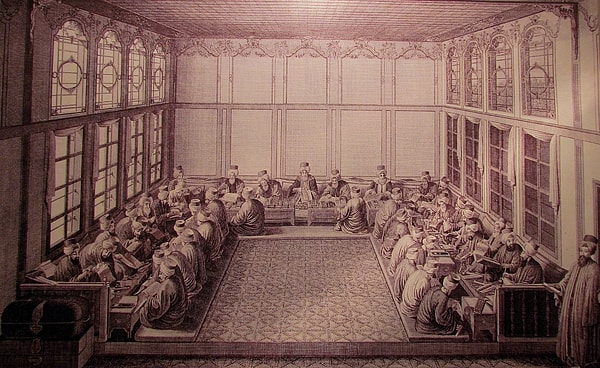
In 1677, during the reign of Mehmed IV, chief treasurer Hasan Pasha made a proposal to put the financial records in order. He asked for one year to be dropped from the accounts every 33 years, which would close the gap between the two years.
The skipped year, called the sıvış year, was remembered as a year that did not appear in the ledgers. In this way the state accounts were brought back in line with the solar year once every 33 years.
The fiscal year moved to March in 1740, and the Rumi calendar came into official use in 1840.
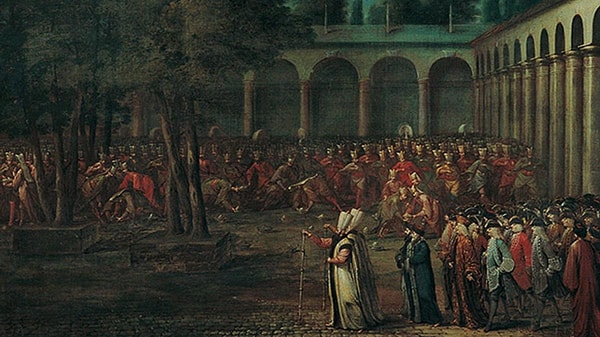
In 1740, under Mahmud I, the start of the fiscal year was moved from Muharrem to March on the proposal of treasurer Atıf Efendi. In 1794, on the proposal of Moralı Osman Efendi, the calendar's scope was widened to cover state expenditures as well.
On March 13, 1840, this solar-based calendar came into general use under the name Rumi calendar. Years were counted from 622 and the year began in March. In 1917 the Rumi calendar was brought into line with the Gregorian calendar, and the year 1333 lasted only ten months.
Keşfet ile ziyaret ettiğin tüm kategorileri tek akışta gör!
 Test
 Gündem
 Magazin
 Video



Send Comment