10 Green-Collar Jobs That Could Be in High Demand in the Future
We used to divide jobs into white-collar and blue-collar. But do you know the green-collar workers we have been hearing about more and more in recent years?The world is changing: from energy production to transport, from agriculture to construction, many sectors are turning to greener solutions. That shift is not only producing new technologies, it is also opening the way to brand-new job opportunities.So which green jobs are we likely to see more of in the working world of the future?Note: This list is a selection drawn from professions highlighted in global research and from areas of expertise the green transition may need; it is not a definitive statistical ranking of the most in-demand jobs.
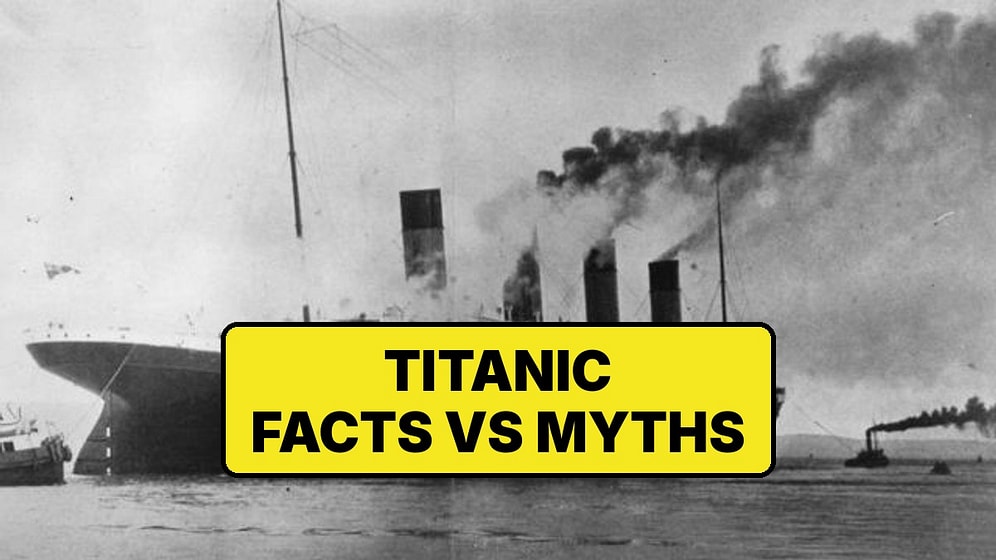
Little-Known Details About The Titanic's Sinking: Facts, Myths And The Wreck Found In 1985
The Titanic sank on its maiden voyage in 1912 after hitting an iceberg in the North Atlantic, and about 1,500 people lost their lives. More than 100 years later, part of what is told about the sinking has turned into legend.From the ship's design and the weather that night to who survived and the discovery of the wreck, here are some little-known details about the Titanic and some common misconceptions.
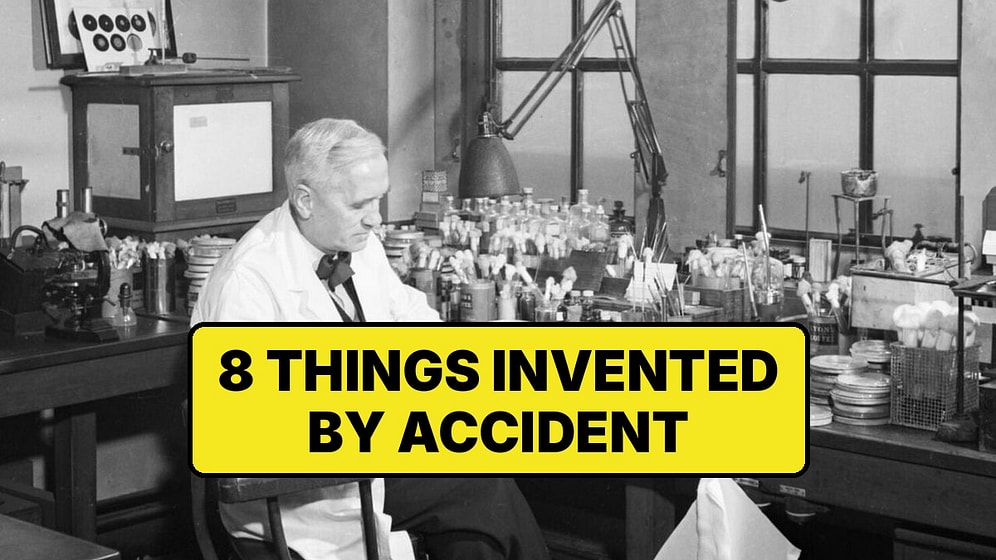
From A Melted Chocolate Bar To A Forgotten Petri Dish: 8 Things Invented By Accident
From the microwave oven in the kitchen to life-saving penicillin, many things we use every day began as a mistake or a moment of carelessness. A chocolate bar melting in an engineer's pocket, a petri dish left on a bench before a holiday, the wrong resistor plugged into a circuit and a gas cylinder that would not release its gas led to some of history's most important discoveries. Here are the stories of 8 happy accidents, from potato chips and super glue to matches, X-rays and non-stick pans.
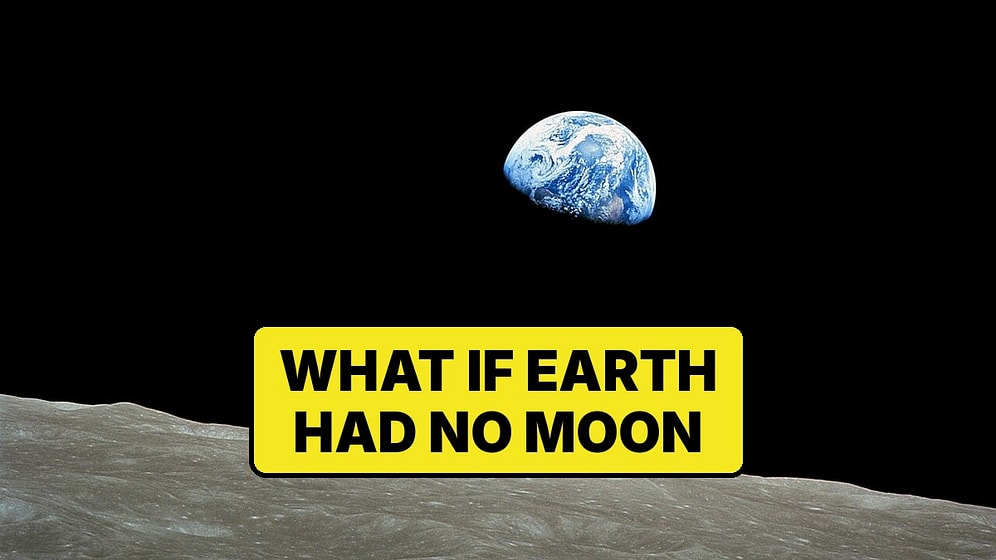
What Would Earth Be Like Without The Moon? 6 Big Changes Researchers Describe
According to NASA, the Moon formed about 4.5 billion years ago when a body called Theia slammed into the young Earth, and it has been shaping our planet's spin, its oceans and its night sky ever since. Research cited by Royal Museums Greenwich, Scientific American and NASA suggests that without the Moon, tides would shrink to about a third of their current size, days would be far shorter than 24 hours, and Earth's tilt and seasons could swing much more widely. Darker nights, the timing of coral spawning, eclipses and a hypothesis about the origin of life in tidal pools are also part of the picture.
10 Unsettling Facts That Will Make You Question What You Know
Some facts, once learned, are impossible to forget. From the fly on your plate to nuclear bombs that were never found, and from a parasite that eats a fish's tongue to the skin we shed every minute, here are 10 facts that might change how you see a few ordinary things.
Advertisement
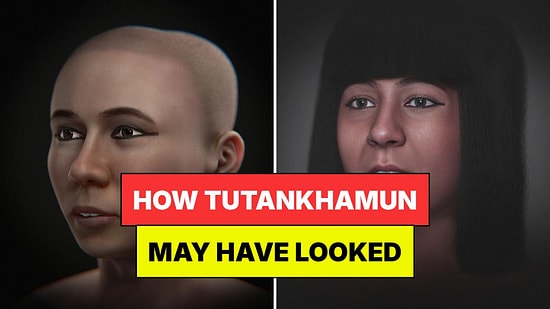
From Tutankhamun to Beethoven: The Likely Faces of 10 Historical Figures According to Scientists
Have you ever wondered what someone who lived centuries before the camera actually looked like? Scientists and artists have wondered too. Working from skulls, CT scans, busts and death masks, they have rebuilt the faces of several famous figures. One warning up front: none of these is a photograph. Each is a reconstruction or an artist's interpretation, in other words, how experts think these people probably looked.
He Found a Roman Treasure While Searching for a Lost Hammer: 10 Hoards People Discovered by Chance
Imagine digging in a field or taking a closer look at a cheap trinket and realizing you are holding a fortune. It sounds like a movie plot, but it has really happened. One man was looking for a lost hammer, a couple was walking their dogs, and another man had bought an ornament to have it melted down. Here are 10 real stories of treasure found by chance, with the year, the place and the value at the time of discovery.
10 Women Who Answered Those Who Underestimated Them and Changed the Course of History
Some took the throne, some put on armor and rode into battle, and some opened the doors of university faculties that had been closed to women. They lived in different eras, cities and languages, but they share one thing: they answered those who looked down on them with what they achieved, and left a lasting mark on history. Here are 10 women, from antiquity to the early years of the Turkish Republic.
Called 'The World's Smartest Woman': The Story Behind Marilyn Vos Savant's IQ Of 228
Can a person's intelligence fit into a single number? 🤔 For years, Marilyn vos Savant has been called 'the world's smartest woman,' and the same number always follows her name: 228. So where did that number come from, why is it still debated, and how did one answer in a magazine column get thousands of people up in arms? Let's take a look! 👇
Every Flat Had A Garden Balcony: How Plants Took Over A Housing Complex In China
In Chengdu, China, the Qiyi City Forest Garden complex was completed in 2018 with a balcony designed for growing plants in every apartment. Buyers were found for 826 flats across the project's eight towers. Over time, the plants spread across the facades, and the complex ended up looking very different from the original plans.
Advertisement
Why Do People Keep A Bay Leaf In Their Wallet?
Money and abundance have been linked to all kinds of symbols across cultures for centuries. Some people keep objects that stand for plenty in a corner of their home, others carry these beliefs into everyday life. One of the most curious is a single bay leaf tucked into the cash pocket of a wallet. According to folk belief, those who carry the leaf next to their money never find their purse empty.
10 Things Your Pupils And Gaze Reveal Without You Noticing, According To Research
Our pupils widen and narrow all day long. Most of that is about light, but not all of it. Thinking hard, getting excited or emotionally stirred can change the size of the pupil too. And then there is the act of looking itself: experiments have even shown how staring into someone's eyes for a long time can play tricks on the brain.Here are 10 findings on pupils and gaze, each backed by published research.
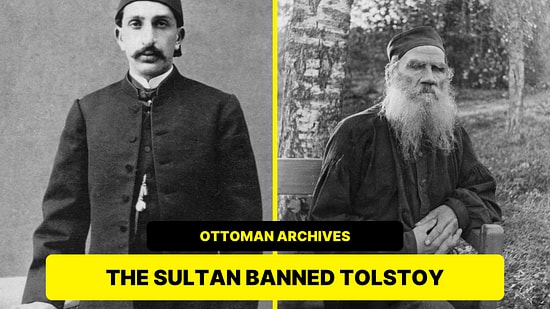
Why Did Ottoman Sultan Abdülhamid II Ban a Leo Tolstoy Book?
Two sets of documents in the Ottoman Archives that mention Leo Tolstoy show the beginning and the end of the same ban. In 1901, Sultan Abdülhamid II barred one of the writer's books from entering the country and had copies collected from bookshops. Five years later, when two newspapers in Beirut quoted Leo Tolstoy, Istanbul sent warning after warning. So why? The documents give the reason in a single sentence. We read the Ottoman Turkish originals and put them in chronological order.
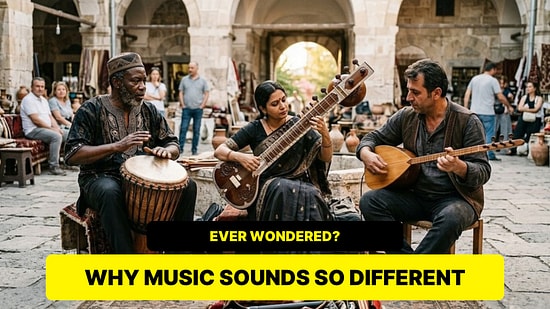
Why Does Music Sound So Different in Different Parts of the World?
Have you ever thought about it? In one corner of the world people dance to upbeat rhythms, while somewhere else they listen to slow, emotional melodies. Some songs make a culture we have never known feel familiar, while others take a few listens before they click. The reason is not just that people have different tastes in music.
Why Did Abdülhamid II Ban a Leo Tolstoy Book? What the Ottoman Archives Reveal
Two sets of documents in the Ottoman Archives that mention Leo Tolstoy show the beginning and the end of the same ban. In 1901, Sultan Abdülhamid II kept one of the writer's books out of the empire and had the copies already in bookshops collected. Five years later, when two newspapers in Beirut quoted Leo Tolstoy, Istanbul sent one warning after another. Why? In the documents, the official reason takes up a single sentence. Here is what the Ottoman papers say, in chronological order.
Advertisement
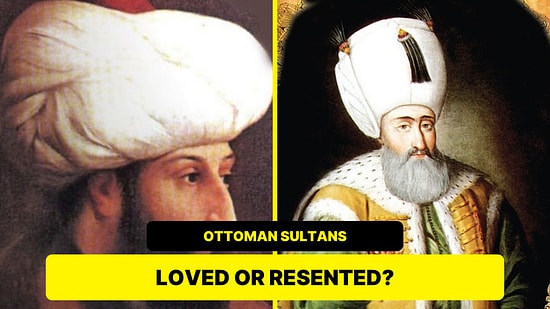
Even Mehmed the Conqueror and Suleiman Made the List: Ottoman Sultans the People Resented and Loved
Today we remember Mehmed the Conqueror (Fatih Sultan Mehmed) and Suleiman the Magnificent (Kanuni Sultan Süleyman) for their great victories. But what did ordinary people think of them in their own time?A sultan's place in the history books and his place in the eyes of his subjects were not always the same. Fratricide, land reforms, sweeping changes: these are what angered the people, and also what won them over. Let's start with the sultans who were not so popular.
Why Does Every Turkish ID Number End In An Even Digit?
Take a close look at an eleven-digit Turkish identity number (T.C. Kimlik Numarası) and you will notice that the last digit is always 0, 2, 4, 6 or 8. The question was taken to the Turkish Parliament in 2009 through a written parliamentary question, and the Ministry of Interior confirmed that no ID number ends in an odd digit. The ministry explained that the numbers carry no information about the person, are generated by a mathematical algorithm, and that the last two digits serve as a check field. The even last digit is no coincidence: it is a direct result of that check calculation.
Earworms: Why Does a Song Get Stuck in Your Head for Days, and How Do You Get It Out?
You hear a song on the radio in the morning, or catch just a few seconds of it in a TikTok video. Hours pass, even days, and the melody keeps looping in your head. In the shower, at work, even while you're trying to fall asleep, the same chorus keeps playing.So why do some songs stick to our brains like chewing gum while others vanish right away? What is behind the annoying yet fascinating experience scientists call an 'earworm,' or involuntary musical imagery (INMI)? And most importantly: how do you get rid of it?Here is the science behind the musical trick your brain plays on you.