


Even Mehmed the Conqueror and Suleiman Made the List: Ottoman Sultans the People Resented and Loved


Today we remember Mehmed the Conqueror (Fatih Sultan Mehmed) and Suleiman the Magnificent (Kanuni Sultan Süleyman) for their great victories. But what did ordinary people think of them in their own time?
A sultan's place in the history books and his place in the eyes of his subjects were not always the same. Fratricide, land reforms, sweeping changes: these are what angered the people, and also what won them over. Let's start with the sultans who were not so popular.

Mehmed the Conqueror took Istanbul, but his land policy caused a backlash.
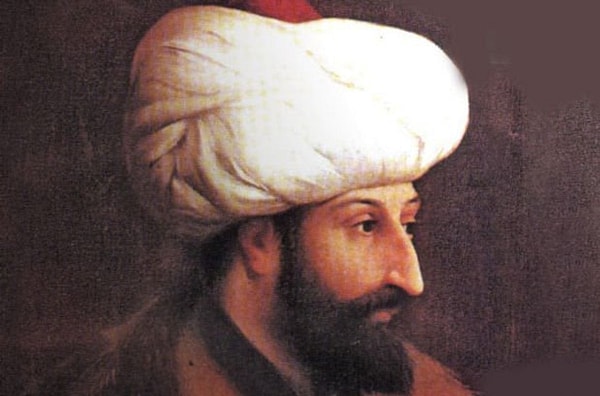
Remembered for the conquest of Istanbul, Mehmed II also made decisions that stirred discontent in his own day. To find revenue for the treasury, he brought many endowment (waqf) and privately held lands under state ownership (mîrî). The move drew strong reactions from landholders and from people who lived off those endowments.
A clause in his law code that treated fratricide as legitimate was also debated for centuries.
Suleiman the Magnificent: the death of Prince Mustafa shook the people and the army.
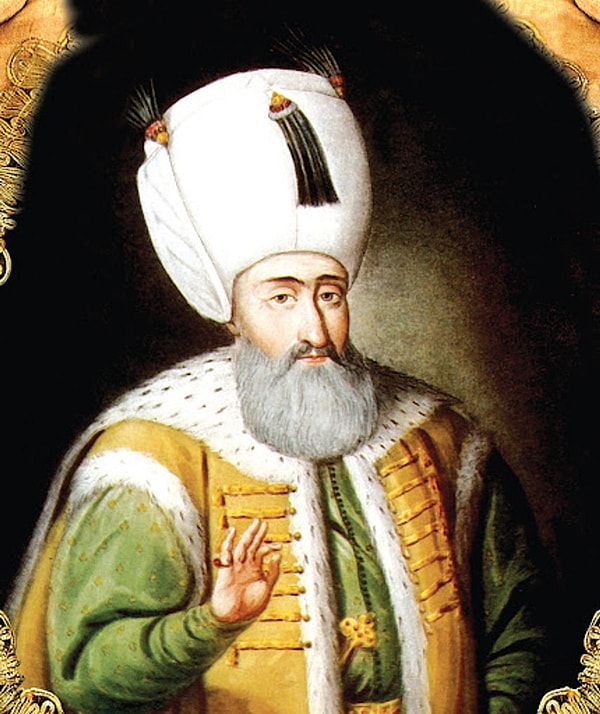
The heaviest event of the reign of Suleiman, sultan of the empire's most brilliant era, came in 1553. During the campaign against Persia, at Ereğli near Konya, he had his son Şehzade Mustafa strangled. The prince was much loved by the Janissaries and the public, and his death caused great anger.
The famous elegy written by the poet Taşlıcalı Yahya became the voice of that reaction.
Mehmed III had 19 of his brothers killed on the day he took the throne.
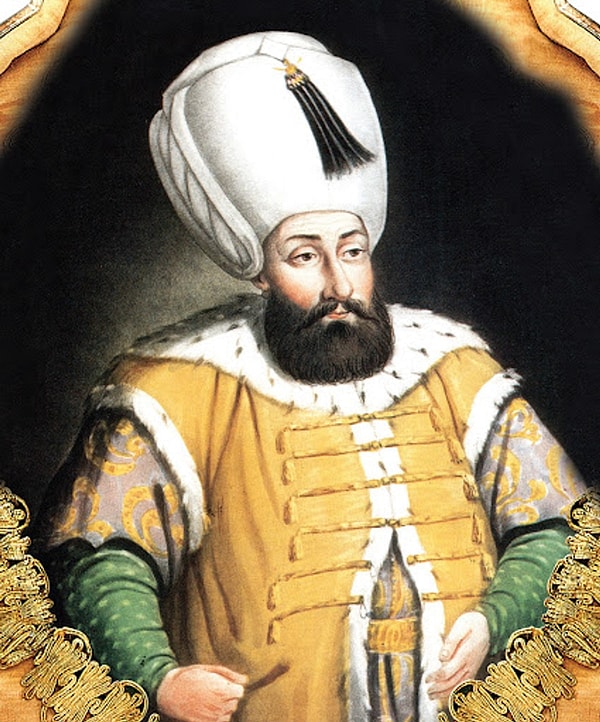
Ascending the throne in 1595, Mehmed III followed the custom of fratricide and had 19 of his brothers strangled. Some of them were still babies, which deeply wounded the people of Istanbul.
Accounts from the period describe crowds in tears as the princes' coffins were carried out of the palace.
Osman II (Young Osman): his reform plans cost him his life.
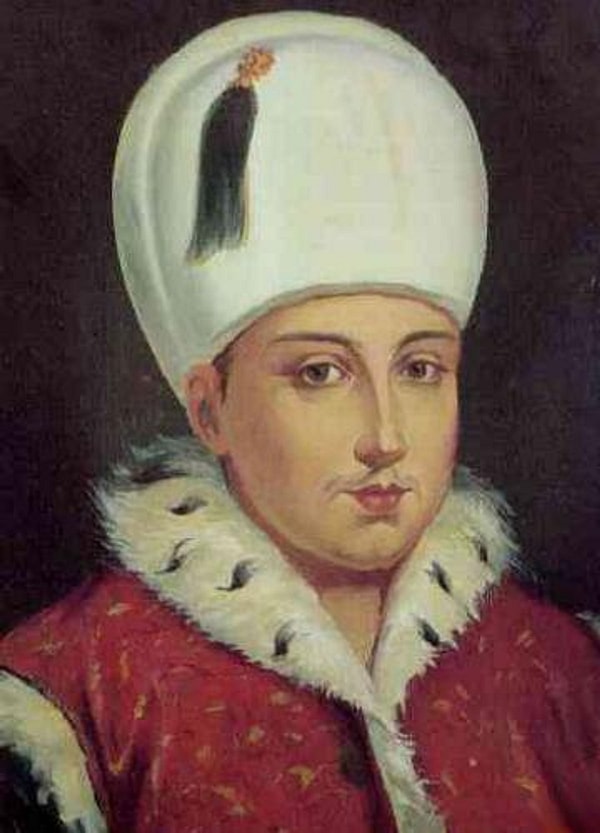
Osman II came to the throne at 14. After the Khotyn campaign he began to turn against the Janissary Corps. When rumours spread that he would use a pilgrimage to Mecca as cover to raise a new army in Anatolia, the Janissaries revolted.
Deposed in 1622, the young sultan was killed in the Yedikule Fortress. For the first time, an Ottoman sultan died at the hands of his own soldiers.
Mahmud II: called the 'infidel sultan' for his reforms
Mahmud II abolished the Janissary Corps in 1826 and introduced the fez and Western-style clothing for state officials, setting out to transform the state from top to bottom. These changes caused such a reaction in conservative circles and among part of the public that he was nicknamed 'gâvur padişah', the infidel sultan.
Today he is counted among the leading reformist sultans.
So who won the people's hearts?
Bayezid II, whom the people called 'Veli' (the Saint): He returned a large share of the endowment and private lands his father Mehmed II had taken over by the state, winning the goodwill of wide sections of society. He went on fewer campaigns than his father, and his devout, calm character earned him the epithet 'Veli'. The hospital (darüşşifa) of the complex he built in Edirne still stands today.
Ahmed I, the sultan who did not kill his brother: Taking the throne in 1603 at the age of 13, he broke with tradition and spared his brother Mustafa. The decision is regarded as the beginning of the end of fratricide in practice and of the system in which the throne passed to the eldest member of the dynasty. The Sultan Ahmed Mosque in Istanbul, which bears his name, has been part of the city's daily life for centuries.
Ahmed II, who looked after his subjects in a short reign: He ruled for only four years (1691–1695). According to the Türkiye Diyanet Foundation's Encyclopedia of Islam (TDV İslâm Ansiklopedisi), he always put the rights of his subjects first in state affairs. He attended council meetings even when ill and increased the sessions of the Imperial Council from two days a week to four. The life-term tax farming system (mâlikâne) introduced in his reign was meant to protect people from the pressure of tax farmers, and served that aim in its first years, but it later contributed to the rise of the provincial notables (ayan).
Who would you add to this list?
Keşfet ile ziyaret ettiğin tüm kategorileri tek akışta gör!
 Test
 Gündem
 Magazin
 Video



Send Comment