


Why Does Music Sound So Different in Different Parts of the World?


Have you ever thought about it? In one corner of the world people dance to upbeat rhythms, while somewhere else they listen to slow, emotional melodies. Some songs make a culture we have never known feel familiar, while others take a few listens before they click. The reason is not just that people have different tastes in music.


Where we live, our culture, our history and even our daily routines all shape how music develops.
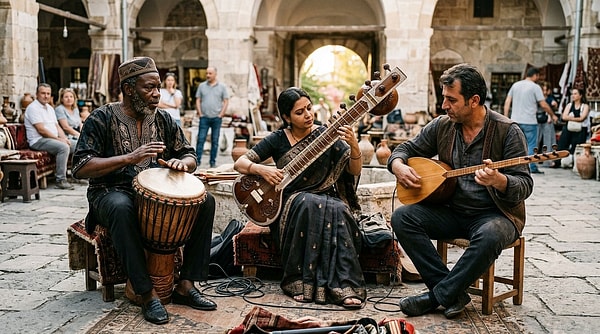
In many musical traditions that grew up across different regions of Africa, rhythm and percussion instruments play a central role, while Indian music stands out with its own melodic structures and rhythm systems. In Anatolia, centuries of different cultures meeting in one place have left behind a remarkably rich musical heritage. In other words, behind every melody we listen to, you can find traces of that society's past.
Geography also plays a part in these differences.
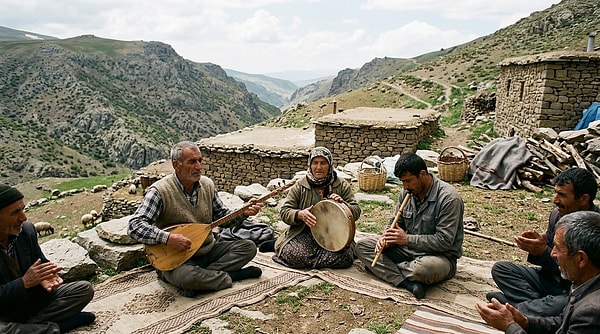
The music of communities living in mountains, rural settlements or wide plains can develop according to the instruments they use, the way they communicate and the conditions they live in. An instrument that is common in one region may be completely unknown somewhere else. Over time, people produced different sounds with the materials at hand and their own experiences.
So why is music lively in some places and calm in others?
There is no single answer. Dance traditions, ceremonies, beliefs and social life can all affect a piece of music's tempo and purpose. Some music developed to bring communities together and get everyone dancing, while some is used to tell stories, express feelings or accompany particular rituals.
Then there is language: every language has its own rhythm, stress and sound structure.
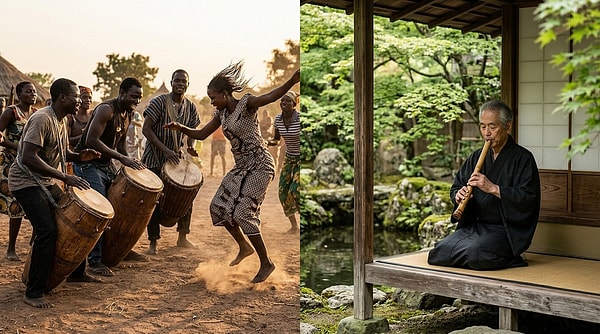
When people sing, they are also influenced by the features of the language they speak. That is why melodies and vocal styles can differ between songs in different languages. Of course, this does not mean a language automatically produces a particular genre of music; the relationship between music and language is very varied.
Music also carries traces of history
Migrations, wars, trade routes and encounters between different communities have allowed musical cultures to influence one another. Today, many genres bring together instruments, rhythms and melodies from different parts of the world. Musical cultures have never developed completely cut off from each other.
As technology spread, this exchange sped up even more.
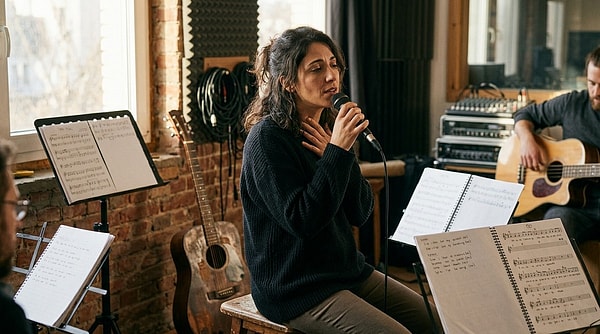
Music that could once only be heard in a particular region can now reach the other side of the world in seconds thanks to the internet. K-pop being played in Turkey, Latin music climbing global charts and traditional melodies blending with electronic music are just a few examples. Still, the fact that different societies keep their own musical traditions alive is what preserves this diversity.
Different sounds, shared feelings
The variety of music around the world shows how different people's experiences are. Every culture tells its own story with its own sounds, and you don't need to be part of a culture to love its music. Sometimes a song in a language we don't understand at all can still move us. Perhaps that is the most beautiful thing about music: it keeps our differences intact while bringing us together in a shared feeling.
Keşfet ile ziyaret ettiğin tüm kategorileri tek akışta gör!
 Test
 Gündem
 Magazin
 Video



Send Comment