


Why Did Abdülhamid II Ban a Leo Tolstoy Book? What the Ottoman Archives Reveal


Two sets of documents in the Ottoman Archives that mention Leo Tolstoy show the beginning and the end of the same ban. In 1901, Sultan Abdülhamid II kept one of the writer's books out of the empire and had the copies already in bookshops collected. Five years later, when two newspapers in Beirut quoted Leo Tolstoy, Istanbul sent one warning after another. Why? In the documents, the official reason takes up a single sentence. Here is what the Ottoman papers say, in chronological order.

February 15, 1901: A Leo Tolstoy book was banned by order of the sultan.
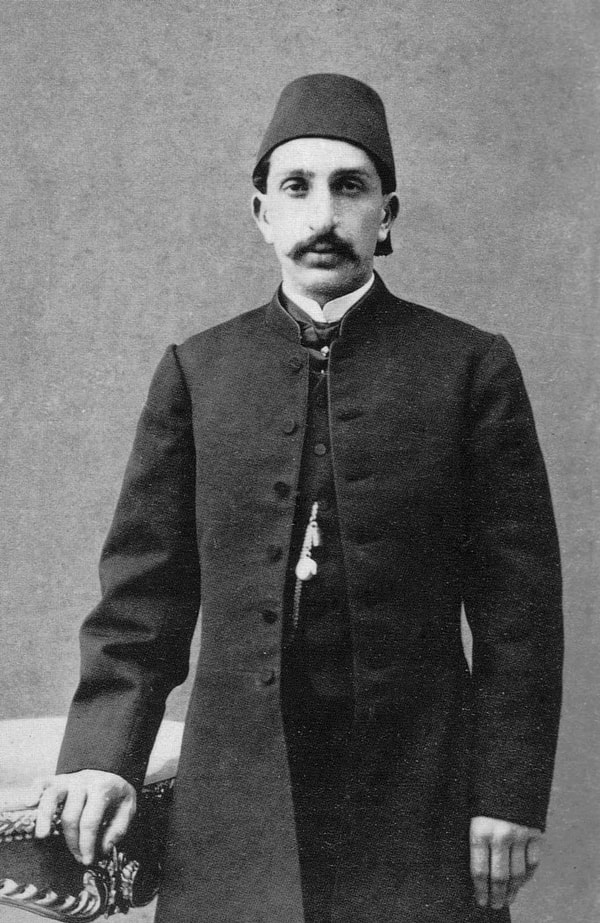
A circular written that day by the Ottoman Ministry of the Interior names Leo Tolstoy's book in its French translation, 'Où est l'issue?' ('Where Is the Way Out?'). It orders that the book must not be let into the country and that every copy found in bookshops be collected. According to the document, the decision came directly from the will of Abdülhamid II.
Every gate got the order
The circular went to the ministries of education and foreign affairs, the customs administration in Istanbul, the Ministry of Post and Telegraph and the police ministry, and it was sent to every province. What the book was about, or why it was considered objectionable, is not written anywhere in the document.
The same year, Yıldız Palace filed Leo Tolstoy's memorandum to the Tsar.
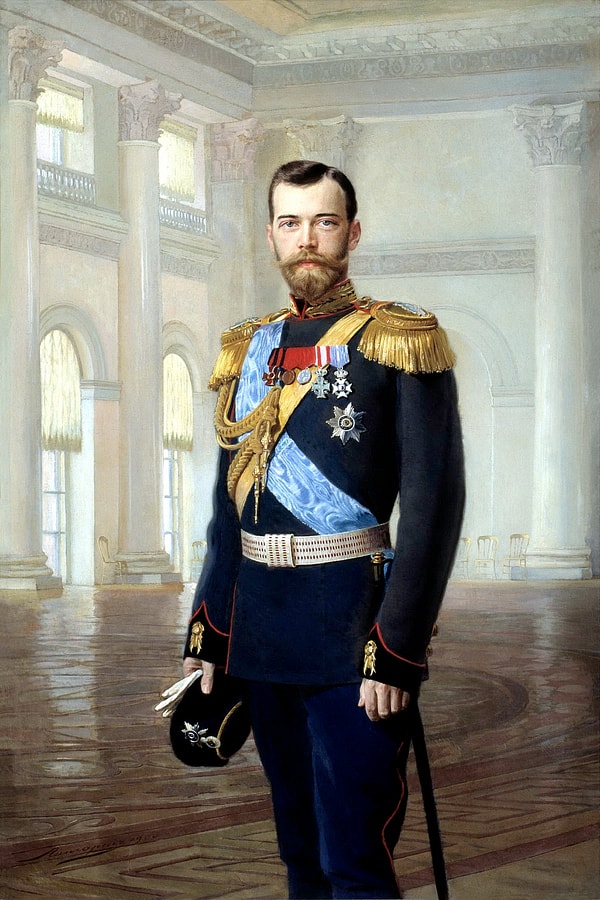
A record in the palace archive contains the memorandum Leo Tolstoy submitted to Tsar Nicholas II on the state of Russia. Another piece of correspondence from the same period mentions news of 'Tolstoy's exile.' What happened to the writer in Russia was being followed in Istanbul as well.
The reason behind the ban fit into a single sentence.
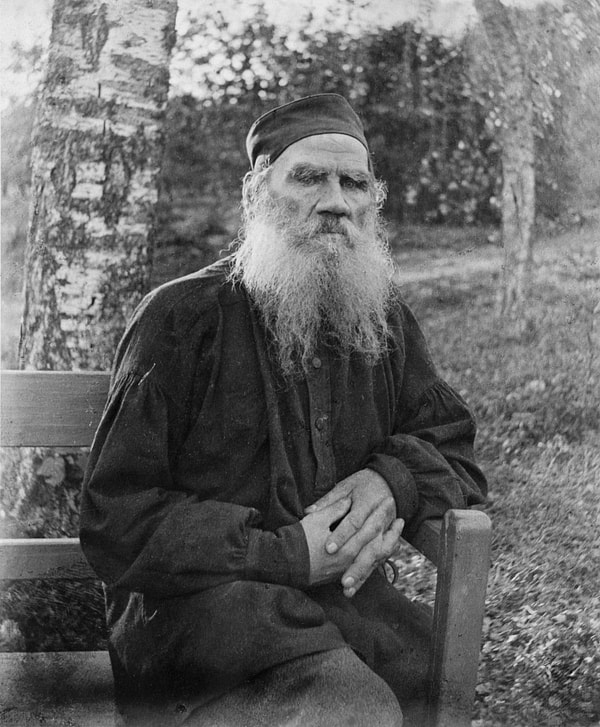
In February 1906, the Arabic-language Beirut newspaper El-İkbâl (Al-Iqbal) mentioned Leo Tolstoy's works. Arif Bey, deputy director of the Directorate of Domestic Press in Istanbul, noticed it and reported it.
The directorate's letter says, in Ottoman Turkish: 'Muharrir-i merkûm nihayet efkâr-ı muzırrasını neşr ü telkine sâ'î olduğundan âsârının gazetelere dercinin kat'iyyen memnû olmasına…' In other words, because the writer was trying to spread and instill harmful ideas, printing his works in newspapers was strictly forbidden. Which ideas counted as harmful, the document does not say.
March 1, 1906: A warning went to Beirut
The Ministry of the Interior wrote that the ban had already been communicated to Beirut but had not been followed. It asked the governorate to warn its officials so that Leo Tolstoy's works would not appear in newspapers, magazines or pamphlets.
A week later, Semerâtü'l-Fünûn quoted Leo Tolstoy, and a second warning followed.
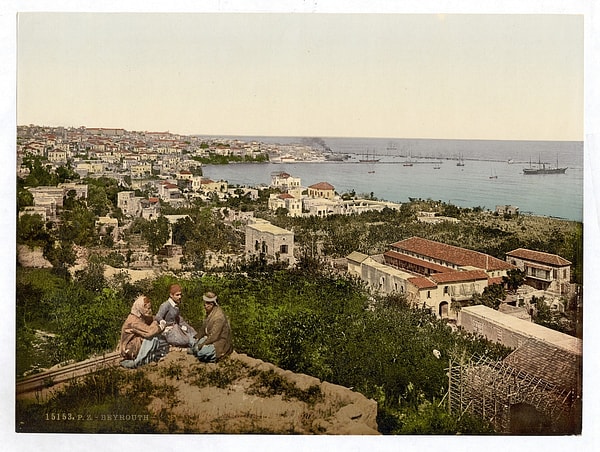
Semerâtü'l-Fünûn (Thamarat al-Funun), published in Arabic in Beirut since 1875, printed a few passages from Leo Tolstoy's works in its issue of March 7, 1906. The press directorate repeated the same justification and asked that such writing not be allowed again. In the archive catalogue the paper's name appears by mistake as 'Servet-i Fünun'; the document itself says Semerâtü'l-Fünûn.
In April 1906, the Ministry of the Interior wrote to the Beirut governorate a second time, referring in the margin to the first warning from early March. Less than five weeks had passed before a second warning was needed.
Both papers already had a history with the censors
Semerâtü'l-Fünûn had been warned in 1899 to obey a ban on publishing Quranic verses and hadiths, was closed indefinitely in 1904 over an article deemed harmful, and later received a new license. El-İkbâl had been warned in 1902 for breaking the rule that newspapers be printed only on white paper.
Source: Ottoman Archives, DH.MKT. 2452/29, 2452/77, 1054/23, 2265/83, 899/71, 617/40; DH.TMIK.M.. 99/78; HR.TH.. 252/24; Y..PRK.TKM.. 44/46; Y..PRK.PT.. 21/2; DH.ŞFR. 336/83.
Keşfet ile ziyaret ettiğin tüm kategorileri tek akışta gör!
 Test
 Gündem
 Magazin
 Video



Send Comment