


Cardiologist Explains: Does Hawthorn Vinegar Unclog Arteries? Benefits for Heart and Cholesterol?


In recent years, hawthorn vinegar, which is indispensable in kitchens as a 'heart-friendly' and 'source of healing', is it really a remedy for vascular occlusion? Does it lower blood pressure and cholesterol? Cardiology Specialist Prof. Dr. Muhammed Keskin, who shares posts on social media under the username kardiyobey, made statements about hawthorn vinegar, putting an end to the claims.
Let's learn together about the benefits of hawthorn vinegar and its effects on the heart and blood vessels:

What Are the Benefits of Hawthorn Vinegar?
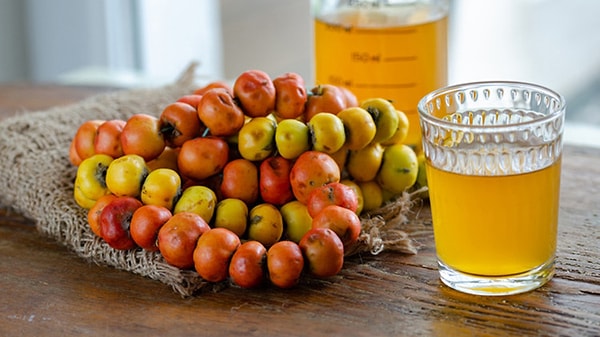
There are some proven benefits to the body when hawthorn vinegar is used regularly and correctly:
Blood Pressure Support: Some studies suggest that regular consumption may help balance blood pressure values.
Cholesterol Control: It also has positive effects on cholesterol metabolism. A decrease in triglyceride and LDL (bad cholesterol) levels can be observed in regular consumers.
Blood Sugar Balance: It provides serious support to diet and blood sugar management by preventing blood sugar fluctuations.
So Why Hawthorn? Do Other Vinegars Show the Same Effect?
Hawthorn has been a staple in phytotherapy (herbal treatment) for heart and vascular health for many years. Therefore, its vinegar has taken a step ahead of other vinegars in society and has begun to be seen as a 'heart medicine'.
However, Prof. Dr. Muhammed Keskin emphasizes that regardless of the type of vinegar, the main component is acetic acid. So not only hawthorn vinegar; apple vinegar or balsamic vinegar also show similar biological effects in the body.
Does Hawthorn Vinegar Open Up the Veins?
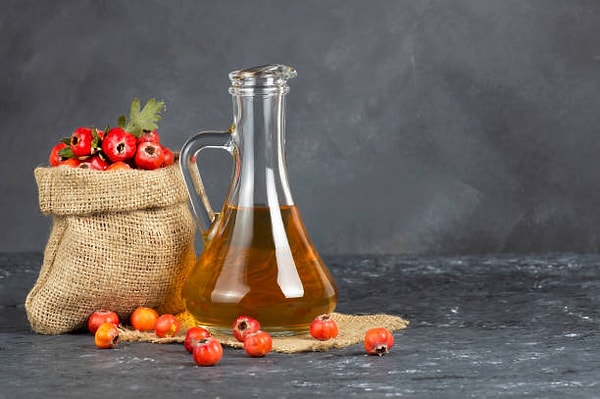
Prof. Dr. Muhammed Keskin gives a very clear warning on this issue:
'Hawthorn vinegar does not clear blocked arteries'
Vinegar, thanks to the phenolic compounds and acetic acid it contains, increases the body's antioxidant capacity and reduces oxidative stress that damages the vessels. In other words, it does not dissolve existing blockages like a 'drain cleaner', it only supports the protection of vascular health.
Critical Warning from Prof. Dr. Muhammed Keskin: 'Do Not Stop Taking Your Medication'
The most critical warning of Cardiology Specialist Prof. Dr. Muhammed Keskin is related to patients seeing vinegar as a 'miracle cure'.
Vinegar is merely a supportive food for heart health, cholesterol, blood pressure, and diabetes. It is life-threatening for patients with hypertension, cholesterol or diabetes to stop their medical treatments, doctor control, or medication and expect to recover by consuming vinegar alone. Healthy living is only possible with the combination of proper nutrition and modern medicine.
How Should Hawthorn Vinegar Be Consumed? Should It Be Drunk On An Empty Stomach?
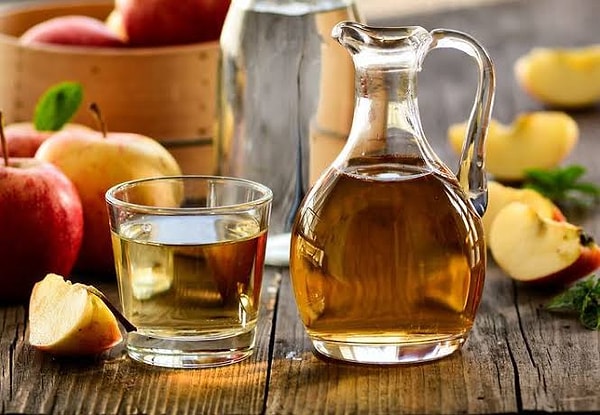
Be careful; the biggest mistake made in vinegar consumption is drinking it neat on an empty stomach in the mornings in order to lose weight or find a cure.
Attention to the Stomach: Especially in those with reflux, gastritis, and stomach sensitivity, vinegar consumed on an empty stomach leads to serious irritations. The best way is to consume it with meals (for example, by adding it to salads).
Quantity Matters: You don't drink vinegar by the glass to find a cure. Prof. Dr. Keskin suggests that the daily consumption amount should not exceed 30 milliliters (approximately 23 tablespoons), emphasizing that it should not be excessive.
How to Make Homemade Hawthorn Vinegar?
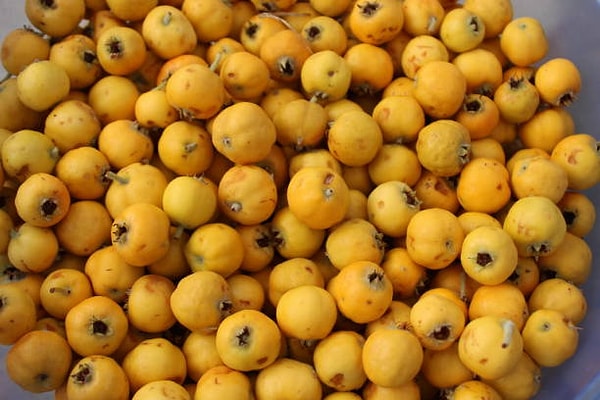
Making a completely natural, additive-free hawthorn vinegar at home is on many of our agendas. Of course, in this case, you should know that vinegar making is a patience-requiring but quite simple process.
Homemade Natural Hawthorn Vinegar Recipe
Let's list the tools you will need before moving on to our recipe and ingredients: a 45-liter glass jar, a wooden spoon (absolutely do not use metal during the vinegar making process), a clean cheesecloth and rubber band for the mouth of the jar.
Ingredients Needed for Hawthorn Vinegar Making:
1 kg fresh hawthorn (Red or yellow doesn't matter, just make sure they're not rotten)
3 liters of clean drinking water (Definitely do not use chlorinated tap water, it prevents fermentation)
1 tea glass of natural vinegar (Homemade apple or hawthorn vinegar for yeast process)
1 tablespoon of natural honey (To feed the fermentation; if there is no honey, granulated sugar can also be used)
1 handful of raw chickpeas (To speed up the yeast process and fermentation)
1 dessert spoon of coarse rock salt (To increase its durability after the vinegar is strained)
Making of Hawthorn Vinegar:
Preparation: Slightly scratch or crush the hawthorns with a knife, then fill them into a large glass jar. (You can prefer a 45-liter large glass jar.)
Combining: Add chickpeas, honey, vinegar, and drinking water on the hawthorns you filled into the glass jar. (Leave a 3-4 finger gap at the top of the jar to prevent overflow during fermentation.)
Ventilation: It is essential for the vinegar to get air. Definitely do not close the lid; stretch a clean cheesecloth over the mouth and secure it with a rubber band.
Mixing (First 15-20 Days): Take the jar to a cool and dim place. Stir with a wooden spoon 1-2 times a day until the fruits completely sink to the bottom.
Resting (1.5 - 2 Months): Once the fruits sink to the bottom, stop stirring completely. Let it sit without moving it until a gelatinous layer we call 'mother of vinegar' forms on it and a sharp vinegar smell comes.
Straining and Storing: Strain the ready vinegar through a clean cheesecloth. Dissolve the rock salt in it and store in closed glass bottles.
Keşfet ile ziyaret ettiğin tüm kategorileri tek akışta gör!
 Test
Test
 Gündem
 Magazin
 Video
Video
Read More







Send Comment