What Is a Patented Raw Material? Why Does the Source of Supplement Ingredients Matter?
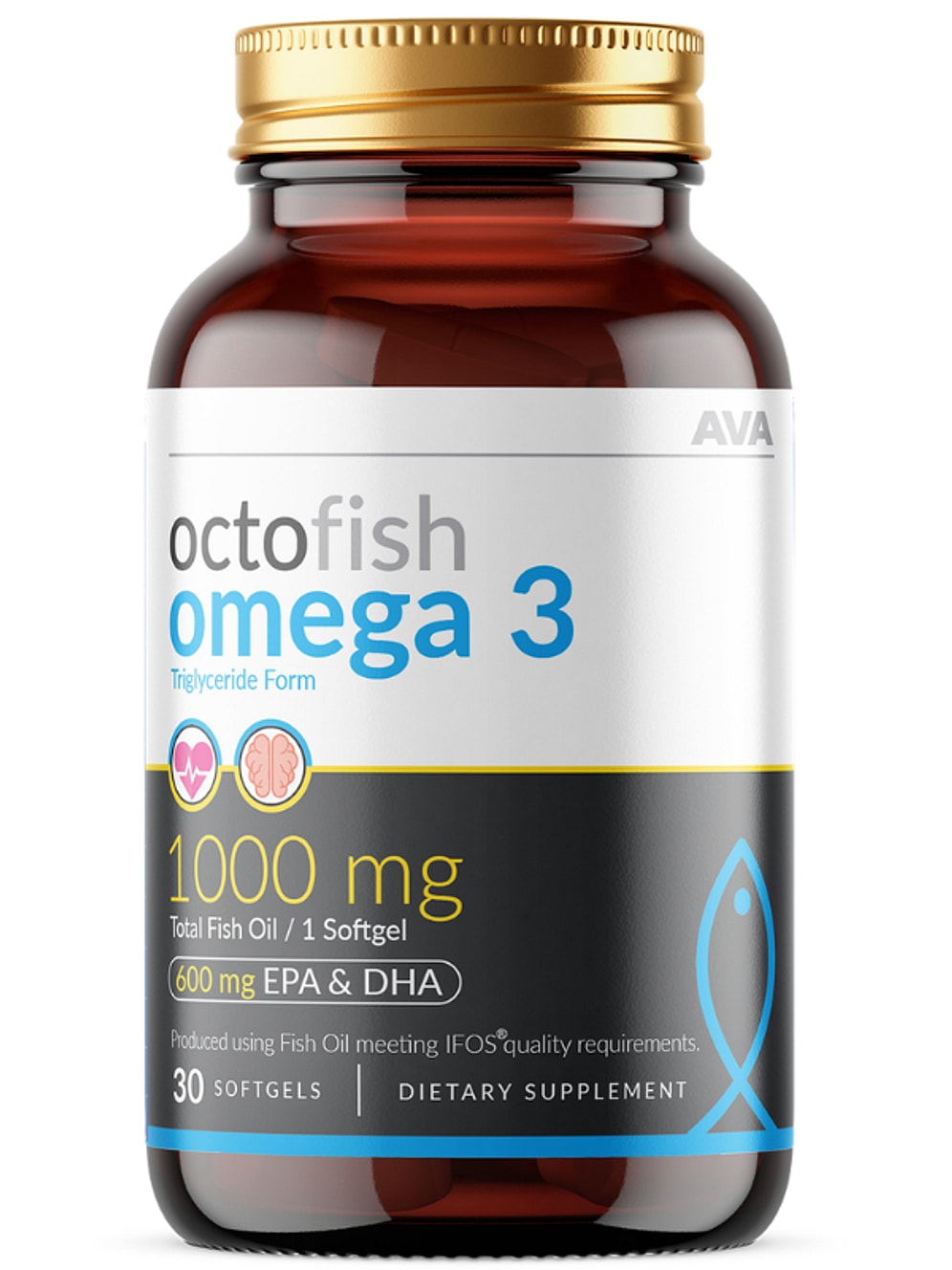
What do the ® and ™ marked ingredient names on supplement labels mean, what does 'clinically studied' mean, and where do vitamin raw materials come from? We explain, using AVA Vitamin's D3K2 and Octofish as examples.Last Updated: November 6, 2026⚠️ Important Note: This content is for general information only and is not a substitute for medical advice, diagnosis or treatment. Food supplements are not medicines; they are not intended to prevent or treat diseases and are not a substitute for a normal diet. A raw material being patented, or having studies behind it, does not mean the product is right for you; decide which supplement to use together with your doctor.A patented raw material is an ingredient developed by a specific manufacturer, sold under a registered name, and whose production method or name is protected by a patent or trademark registration. Its importance comes from being able to trace who produced the raw material, where, and to which standards. A clinically studied raw material, on the other hand, is one about which scientific studies have been published; these studies belong to the raw material, not to the final product, and on their own they are not a basis for any health claim. Vitamin and mineral raw materials are produced in different countries around the world. AVA Vitamin states that it uses 17 registered raw materials from 10 different countries across its 8 products, and that it openly shares the origin of each one on its website. For example, Ava D3K2 uses Quali®-D of Swiss origin and K2VITAL™ of Norwegian origin, while Octofish uses an Omega-3 concentrate of Spanish origin; the products are manufactured in Türkiye.