


Expert Doctor Identifies Specific Groups At High Risk of Contracting Hantavirus


The hantavirus, which has recently resurfaced on the global and Turkish agenda, poses a serious threat, particularly for those spending time in rural areas and enclosed spaces. Originating from rodents and initially presenting symptoms similar to a simple flu, this disease can carry a life-threatening risk if proper precautions are not taken. Dr. Kayhan Uğuz, a specialist in Infectious Diseases and Clinical Microbiology, has identified those who are at risk due to the hantavirus.

The emergence of Hantavirus cases has sparked concern within the community.

Infectious Diseases and Clinical Microbiology Specialist Dr. Kayhan Uguz emphasized that there is no need for panic within the community, but acting consciously can save lives. Dr. Uguz, who pointed out that the Hantavirus can be transmitted not only through direct contact as commonly believed, but also through the respiratory tract, drew attention to storage areas, barns, and basements that have been closed for a long period of time. Dry cleaning (such as sweeping) in an environment where rat urine and feces are present causes virus particles to mix into the air and be inhaled.
What are the symptoms of Hantavirus?
Dr. Uguz, who stated that symptoms such as fever, fatigue, muscle and headache are seen in the early stages of the disease, warned that shortness of breath and serious lung problems could develop as the process continues. The expert stressed that those with a history of rodent contact should not underestimate these symptoms and should seek medical attention.
Who is at risk for hantavirus?
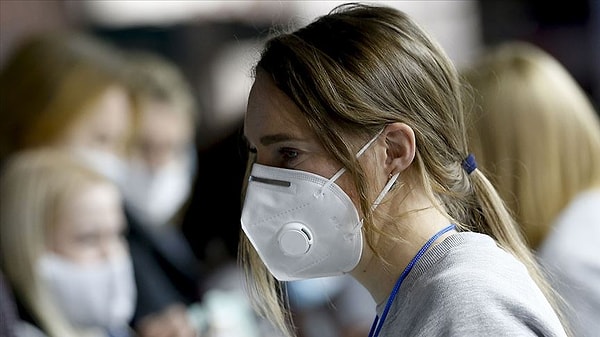
Dr. Kayhan Uğuz listed the groups at risk for the virus as follows:
Farmers engaged in agriculture and livestock,
Those who camp and engage in outdoor sports,
Warehouse and depot workers,
Individuals living in rural areas,
Individuals cleaning homes or workplaces that have not been used for a long time.
How can one protect oneself from the Hantavirus?
Uğuz, who pointed out that hygiene is the most effective weapon against the Hantavirus, which does not have a specific antiviral treatment, gave the following advice:
The environment must be ventilated for a long time before entering enclosed spaces.
Masks and gloves must be worn during cleaning.
Areas where mouse feces are seen should not be swept; wet cleaning should be done with disinfectant or bleach mixed water.
Food should be stored in closed containers that rodents cannot reach.
Keşfet ile ziyaret ettiğin tüm kategorileri tek akışta gör!
 Test
Test
 Gündem
 Magazin
 Video
Video



Send Comment