


Miracle in the Pyramids: Why 3,000-Year-Old Honey Found in Ancient Jars Is Still Fresh


When archaeologists discovered samples of honey in the Egyptian pyramids, they were still in a consumable state. Despite thousands of years having passed, how could this natural sweetener remain unspoiled? This unique feature of honey is a result of nature's impeccable preservation system.

Why is Honey That's Thousands of Years Old Still Edible?
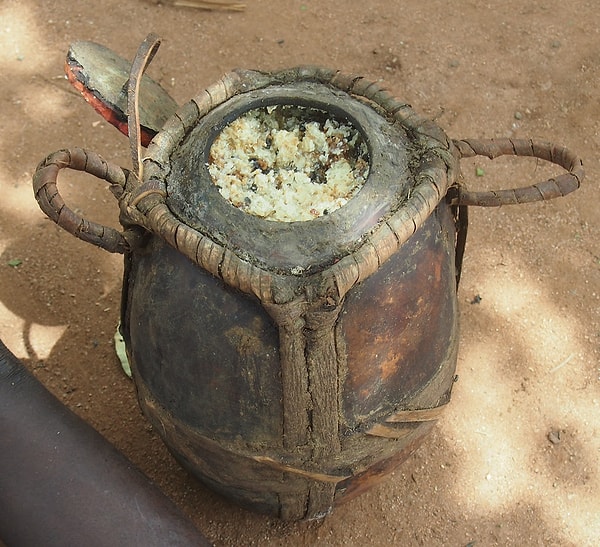
When archaeologists discovered samples of honey in the Egyptian pyramids, they were still edible despite thousands of years having passed. How could this natural sweetener have remained unspoiled for so long? This unique characteristic of honey is the result of nature's impeccable preservation system.
Natural Antimicrobial Properties of Honey
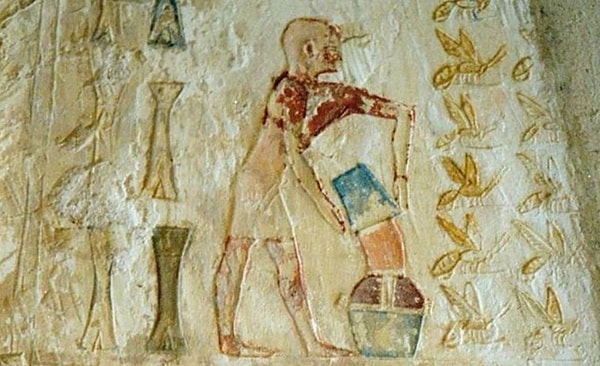
Research by entomologist May Berenbaum from the University of Illinois demonstrates that the three fundamental components of honey neutralize bacteria and microorganisms. The water content of honey hovers around 17-18%, which is substantially below the moisture level required for bacterial survival. This low water activity stands as the primary factor preventing the proliferation of microorganisms.
The pH value of honey fluctuates between 3.9 and 6.1, typically showcasing an acidic nature. This low pH level provides a natural defense against the growth of harmful bacteria. According to reports from the Smithsonian Institute, this acidic environment is one of the key factors that has preserved honey for thousands of years.
Hydrogen Peroxide: Nature's Disinfectant
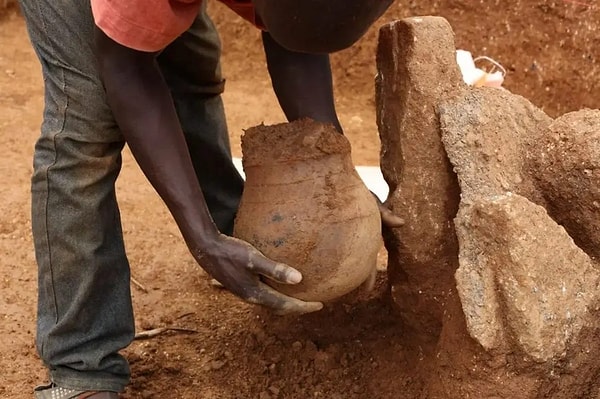
In the process of making honey, bees add the enzyme glucose oxidase to the nectar's glucose. This enzyme, when interacting with glucose, generates a small amount of hydrogen peroxide. Hydrogen peroxide, possessing potent antimicrobial properties, neutralizes bacteria and fungi. This natural disinfectant is one of the key reasons why honey doesn't spoil over long periods.
The chemical composition of honey eliminates the conditions necessary for microorganisms to survive. In an environment with low water activity, acidic pH, and constant hydrogen peroxide production, bacteria and fungi cannot thrive.
The Perfect Storage Conditions in Pyramids
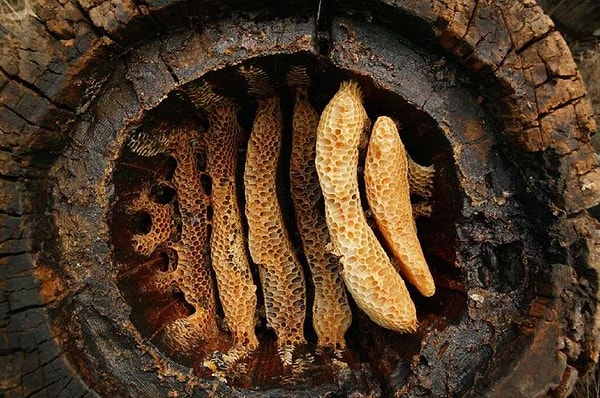
The climatic conditions within the Egyptian pyramids have provided an ideal environment for the preservation of honey. Factors such as low humidity, stable temperature, and minimal air circulation have bolstered the natural protective qualities of honey. Honey samples discovered by archaeologists have been found only in crystallized form, reverting back to a liquid state upon heating.
Modern science has substantiated that the molecular structure of these honey samples found in ancient Egypt is almost identical to that of contemporary honey. This serves as the most compelling evidence that honey can remain unspoiled for thousands of years.
This unique resilience of honey is the result of an impeccable preservation system developed by bees over millions of years of evolutionary process. The combination of low water content, acidic pH, and hydrogen peroxide production culminates in one of nature's most durable foods.
Keşfet ile ziyaret ettiğin tüm kategorileri tek akışta gör!
 Test
Test
 Gündem
 Magazin
 Video
Video



Send Comment