


10 Proven Strategies to Calm Your Mind and Reduce Anxiety, According to Experts


In today's world, anxiety and low spirits are spreading silently, much like a modern epidemic. Research substantiates that a vast majority of adults exhibit symptoms of clinical-level anxiety or depression at some point in their lives. However, the medical and psychological community emphasizes that this is not a 'fate' set in stone; with the right mental tools, the brain can be restructured.
Here are 10 effective methods for reducing chronic stress and anxiety, grounded in scientific approaches...

1. Don't Suppress Emotional Pain, Embrace It

It's perfectly normal to go through turbulent times in your mind. Suppressing emotions can pave the way for physical illnesses, such as chest infections and chronic pain. Therefore, it's crucial to identify your feelings, not shy away from shedding tears, and express your emotions, either by pouring them into a journal or recording them. This way, you allow them to be released rather than bottled up inside.
2. "Engage Your Working Memory" by Distracting Attention
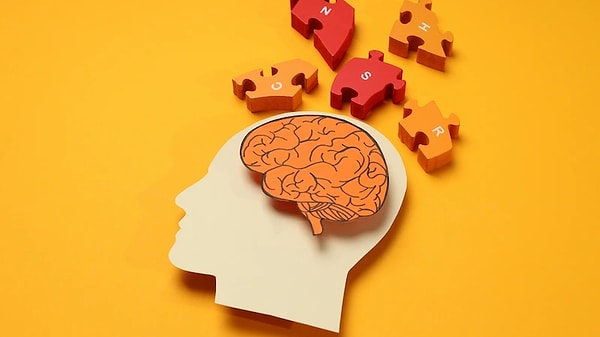
The human brain operates much like a computer, possessing a limited 'working memory' akin to RAM. Engaging in intense exercise, immersing oneself in music, taking a stroll in nature, or watching a humorous video are all activities that occupy the mind. Consequently, when the memory is filled with these distractions, there is no room left for anxiety or depression.
3. Stop Resisting the Unchangeable

A stone thrown into a lake cannot shatter the water because it is flexible; however, ice is fragile. In life, resisting the solid situations that you cannot change (an inflexible boss, past mistakes) can make you sick. Instead of fighting a negative thought when it arrives, take a deep breath, simply acknowledge its presence, and allow it to pass.
4. Silence the "Bully" Within You and Nourish Yourself

Anxiety and depression can be likened to relentless bullies that constantly criticize us from within. When your self-criticism escalates, make a list of your positive traits (such as being compassionate or a good listener) and reward yourself by jotting down past achievements where you've demonstrated these qualities.
5. Engage in Socializing

A lake dries up if the streams feeding it are cut off. Reach out to people who understand you, to support groups, or to professionals. Remember, our brain is not static; regardless of our age, it can form new neural connections (neuroplasticity) and transform us into calmer individuals.
6. Become the Parent of Your Inner Child

Approach the child within you with the same affection you would show to a baby learning to walk and falling numerous times. Even if you received a lot of criticism as a child, consciously transform your self-talk into a language of love in adulthood.
7. Don't Immediately Buy Into Your First Distorted Thought

In moments of anxiety, thoughts are prone to manipulation and exaggeration. When someone is rude to you, your initial thought might be 'They hate me'; however, this situation could be entirely related to stress in their own life. Recognizing that the first thought is not the absolute truth can alleviate the mind.
8. Enhance Your Physical Health (The Exercise Effect)

For the lake to remain pristine, it's crucial that its upper and lower layers are in constant motion; in other words, movement is a must. A diet rich in vegetables and unprocessed foods, coupled with regular intense exercise, is as effective as the most potent medication against depression and anxiety, according to clinical studies.
9. Capture the Mental "Flow"

A stagnant lake will eventually decay. Discover that state of 'flow' where your skill level and the challenge of the task at hand align seamlessly, causing you to lose track of time. This could be painting a picture, playing an instrument, coding, or solving a complex puzzle. The flow state provides a profound meditative effect on the mind.
7. Divide Colossal Problems into Micro Steps

Major crises can paralyze the mind. Choose the easiest piece of the problem in front of you, identify a simple next step, and take that stride. Life, after all, is about taking 'the next small step' one at a time.
Keşfet ile ziyaret ettiğin tüm kategorileri tek akışta gör!
 Test
Test
 Gündem
 Magazin
 Video
Video



Send Comment