


102 Frogs Turned Into Ecological Disaster: Australia's Infamous Cane Toad Invasion


The intervention made on agricultural lands in Australia in 1935 turned into a struggle that lasted almost a century. The cane toad, which has become one of the country's biggest environmental problems, was brought from Hawaii to Queensland to solve the insect problem of sugar cane producers. However, the toads are still one of the most dangerous invasive species in Australia today.
Here are the details.

102 frogs were brought from Hawaii to Australia.
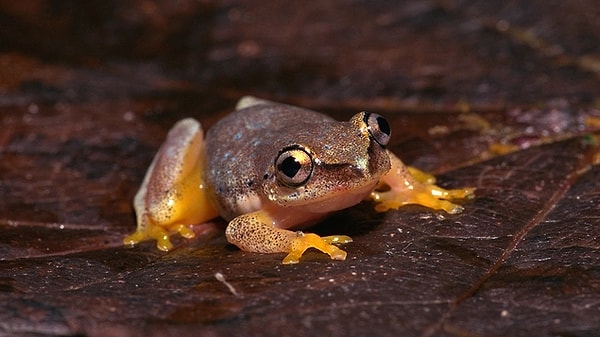
In the 1930s, sugarcane producers in Queensland were facing a serious insect problem. Some insects were damaging the roots of the sugarcane, causing significant losses for the farmers.
Australian scientists sought the solution in nature. Information reached Australia that cane toads were used in Puerto Rico and Hawaii to combat similar insects. As a result, entomologist Reginald Mungomery went to Hawaii in June 1935, collected 102 cane toads, and brought them to Australia. In fact, one of the toads died during the journey, leaving 101 toads remaining.
No One Tested: So, Will Frogs Eat Insects?

Frogs were brought to Australia and started to be bred in a specific area. Their numbers quickly increased. In August 1935, approximately 2,400 frogs were released into the wild around Gordonvale in Queensland. However, the most crucial question of the plan was still unanswered:
Would the frogs really eat the insects that were intended to be eradicated?
Apparently, this question had not been sufficiently researched beforehand. Moreover, the targeted insects were located in the upper parts of the plants. It was not very possible for the cane frogs, which move on the ground, to reach these insects. So instead of fulfilling the task prepared for them, the frogs began to spread to another ecosystem.
This Time, Frogs Became the Problem
Cane frogs were not only reproducing rapidly. They were also extremely opportunistic animals that could eat a large number of small creatures they encountered. The bigger problem was the poisonous secretion they carried in their bodies.
Some native animals trying to hunt the frog died due to the poison. Thus, a new and serious threat emerged for the species in Australia's natural life.
Moreover, as the number of frogs increased, their spread areas also expanded. The animals brought as a solution to an agricultural problem in a few hundred square kilometers in 1935, spread to much wider areas of Australia over time.
Warnings Were Made But The Plan Didn't Stop

The most critical point of the matter was that the danger was not completely overlooked. Indeed, entomologist Walter Froggatt warned that cane toads could become a serious pest in the future. Steps were taken to halt new releases for a while.
However, releases continued after the debates. By 1950, cane toads were officially recognized as a pest species. Today, the Australian government states that there is no large-scale method to completely control this species nationwide.
The Toads Became Faster Over Time
Research has shown that some cane toads at the forefront of the invasion have developed longer legs over time, which has enabled them to move faster. So, this invasion that started about 90 years ago not only increased the number of toads; it also led to changes in the animals' characteristics.
The toads, once expected to eliminate insects in sugarcane fields, are now one of the most well-known invasive species in Australia.
Keşfet ile ziyaret ettiğin tüm kategorileri tek akışta gör!
 Test
Test
 Gündem
 Magazin
 Video
Video
Read More







Send Comment