


Where To Go In Manisa: 17 Places You Should See When You Visit


Manisa, in western Türkiye, was one of the most important provinces where Ottoman princes were sent to govern, and that past has left it with a wealth of historic sights. Add its natural scenery, from Adala Canyon to Spil Mountain National Park, and the city gives visitors plenty to see, whether they are looking for quiet corners or a full itinerary. From mosques and ancient cities to museums and geological wonders, here are 17 places not to miss in Manisa.

The Kula fairy chimneys head the list of Manisa's natural sights.
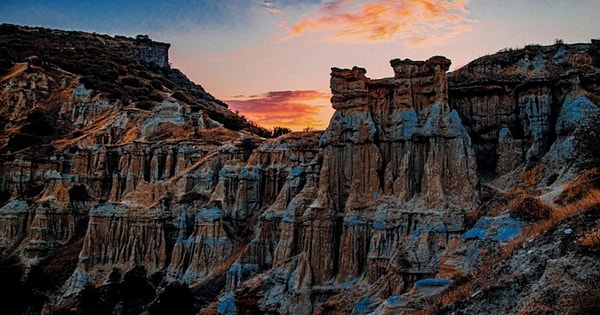
Kula Fairy Chimneys: Also known as the Kuladokya fairy chimneys, this is an area of natural rock formations of the kind also found in provinces such as Erzurum, Nevşehir and Van. It is a striking sight.
Kula-Salihli UNESCO Global Geopark: Covering 2,320 square kilometres, this was Türkiye's first UNESCO Global Geopark. Its notable geosites include the Çakırca basalt columns, Sandal Divlit, the Kurşunlu thermal springs and Kula Divlit Volcanic Park.
Adala Canyon: Located inside the geopark, the canyon is known for its scenery. Su Uçtu Waterfall, formed as a result of collapses, adds to its appeal.
Spil Mountain National Park: The park is home to trees such as red pine, black pine and oak, and to animals including wild horses, foxes, bears, wolves, mountain goats, vultures, sparrowhawks and eagles.
The Weeping Rock, linked to the legend of Niobe, is one of Manisa's most curious natural formations.
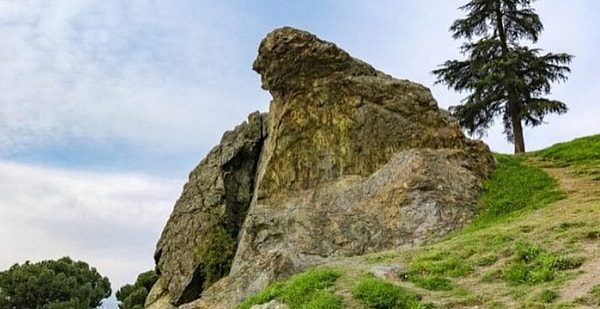
Weeping Rock (Ağlayan Kaya): Also called the Niobe Natural Monument, the rock is likened to a woman's head, and the water dripping from it looks like tears running from an eye socket.
Manisa Castle: Thought to date back to the Hellenistic period, the castle has two main sections, an inner and an outer castle. It has been damaged and repaired many times; the remains of cisterns are among the structures that have survived.
Yoğurtçu Castle: Built by the Byzantines between the 12th and 13th centuries, it consists of inner and outer walls and stands on a steep rocky outcrop.
Historic Kula Houses: Examples of 18th-century Ottoman urban architecture, the district includes mosques, fountains, mansions and baths, as well as Greek houses, and is a protected site.
Yeni Han: Locals say this two-storey inn was built by the Karaosmanoğlu family between 1825 and 1830, although its exact construction date is not known. With its many shops, it makes a good stop for a rest or some shopping.
Sardis, capital of the Lydian Kingdom, and the nearby Bin Tepe tumuli take visitors far back into antiquity.
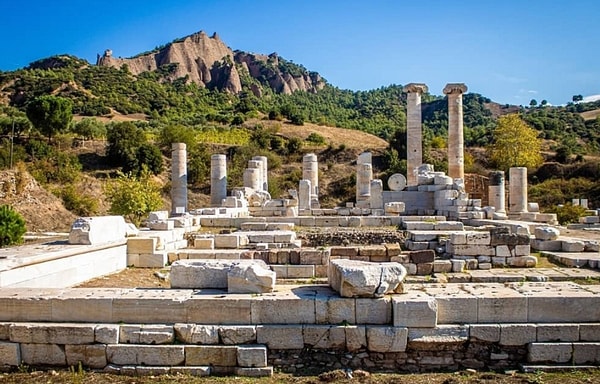
Temple of Artemis at Sardis: The temple stands near Sardis, once the capital of the Lydian Kingdom. Information boards around it explain the temple's history, design and decoration.
Ancient City of Sardis (Sart): The history of the Lydian capital is said to go back to the 1300s BC. The site includes a gymnasium, baths, a synagogue, the Temple of Artemis, tombs and an acropolis.
Bin Tepe: Also known as the Lydian Tumuli, Bin Tepe is a necropolis of tumuli, burial mounds made by piling up earth, thought to date from the 7th and 6th centuries BC. Long on UNESCO's Tentative List, 'Sardis and the Lydian Tumuli of Bin Tepe' was inscribed on the World Heritage List in 2025, according to UNESCO.
Aigai: This mountain-top ancient city in the Aiolis region has a theatre, a council building, a Temple of Apollo, a sanctuary of Athena, an agora, a necropolis and a market building, along with an exceptional view.
Muradiye Mosque, designed by Mimar Sinan, leads the city's Ottoman landmarks and museums.
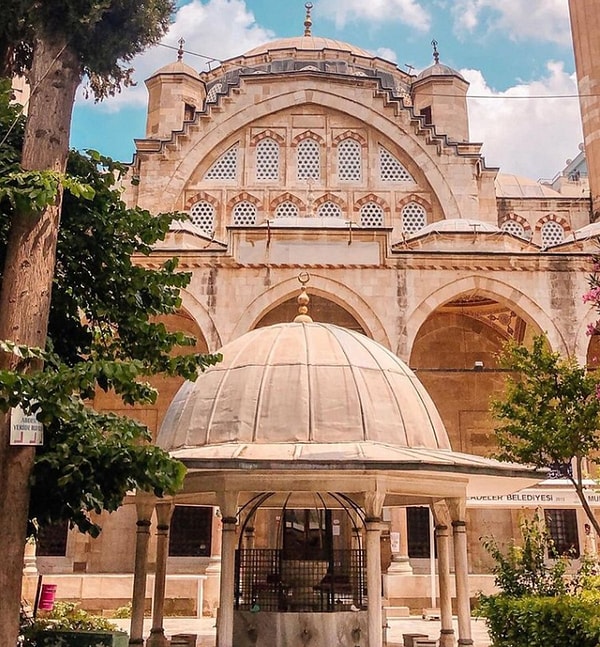
Muradiye Mosque: Part of the Muradiye Complex, whose design belongs to the architect Mimar Sinan, the mosque was built between 1583 and 1585. The complex also includes a soup kitchen, shops and a madrasa. The mosque is a fine example of classical Ottoman architecture, notable for its glasswork and tiles.
İvaz Paşa Mosque: Built by İvaz Paşa in 1484, this single-minaret mosque shows the features of early Ottoman architecture, with cut-stone and brick workmanship and tile decoration.
Manisa Museum: The archaeology section displays mosaics, sculptures, gravestones and ivory objects from the Bronze Age to the late Byzantine period. The ethnography section presents daily life, customs and clothing, especially from the Ottoman era.
Akhisar Museum: Opened in 2012, the museum shows ceramics, glassware, fossils and oil lamps in its archaeology section. Its ethnography section features carpets, everyday tools, swords, weapons and garments from Ottoman times, along with displays about trades that have faded or are disappearing.
Keşfet ile ziyaret ettiğin tüm kategorileri tek akışta gör!
 Test
 Gündem
 Magazin
 Video



Send Comment