


What Is a Bedesten? The Domed Ottoman Market Hall Built for Valuable Goods


Walk into an old Turkish bazaar and you may find yourself under a heavy stone roof crowned with domes. That building has a name: the bedesten. It was a large, rectangular, domed market hall built for trading valuable goods, and it sat at the commercial heart of many Ottoman cities.


A bedesten was a covered, domed market hall where precious goods changed hands.
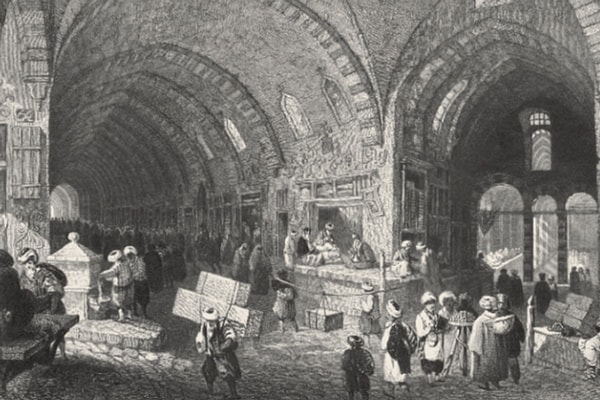
The word comes from Persian and is tied to cloth: it is usually traced to bezestan or bazzazistan, roughly 'the place of the drapers' or 'the cloth sellers' bazaar'. Textile merchants were the first tenants, but over time the halls came to hold far more valuable stock.
The Turkish Language Association (TDK) defines a bedesten as 'a covered bazaar where valuable goods such as fabric and jewelry are bought and sold'. Today many people simply call these buildings covered bazaars.
Thick walls and lockable doors made the bedesten a kind of vault for the city.
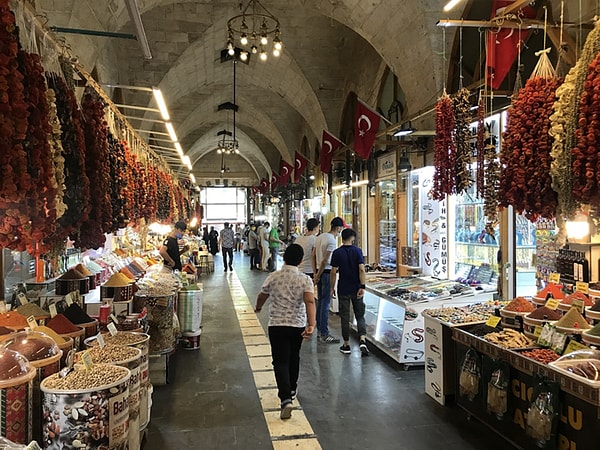
More than a shop
Because bedestens were solid stone buildings that could be locked at night, they were used for more than trade. Merchants kept money and valuables there, so the bedesten also worked a little like a bank or a safe-deposit hall.
Not only in Türkiye
Bedestens were built across the Ottoman lands, so you can find examples in several countries today, not just in Türkiye. Some of them are still busy marketplaces.
Several historic bedestens still stand in Turkish cities today.
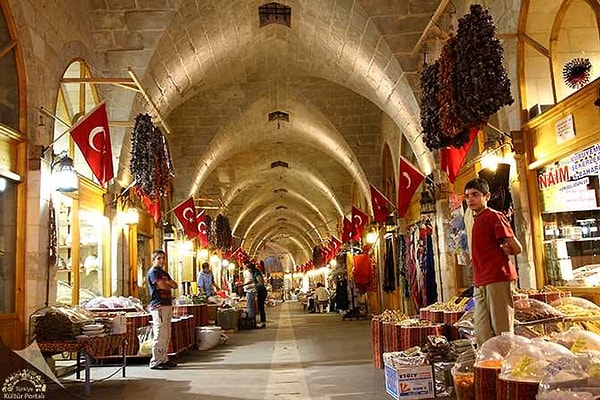
A few well-known examples in Türkiye:
Bursa Bedesten (14th century)
Edirne Bedesten (1418)
Istanbul's old bedesten in the Grand Bazaar (15th century)
Mahmut Paşa Bedesten in Ankara (15th century)
Tire Bedesten (15th century)
Tokat Bedesten (16th century)
Kırkkaşık Bedesten in Tarsus (1579)
If you visit one, look up: the rows of domes overhead are the clearest sign that you are standing inside a bedesten.
Keşfet ile ziyaret ettiğin tüm kategorileri tek akışta gör!
 Test
 Gündem
 Magazin
 Video



Send Comment