


The Ultimate 2-Ingredient Trick to Deep Clean Your Toilet Brush and Kill All Germs


Toilet brushes, in fact, could be the most overlooked breeding grounds for germs in your bathroom. Experts warn: Toilet brushes that are not properly maintained can spread bacteria and foul odors rather than cleaning. Toilet brushes, which undertake the toughest job to keep your bathroom fresh, can quickly turn into a source of buildup and mold when neglected. Experts have shared essential steps that are crucial for this everyday tool to stay as hygienic as the surfaces it needs to clean. Preventing your toilet brush from becoming a germ bomb actually depends on just a few small and consistent habits.

One of the most common mistakes many people make is putting their brush back right after use while it's still wet.
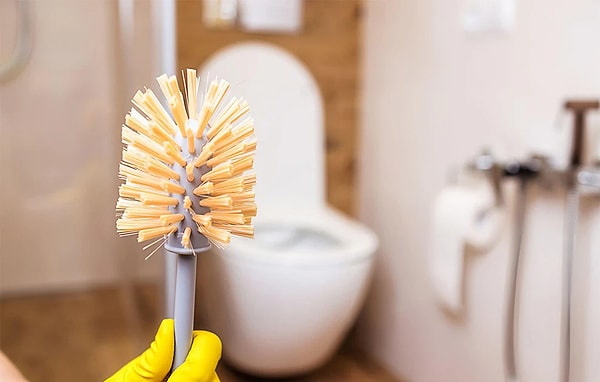
Expert Angie Hicks advises, 'To prevent the formation of bacteria and odors, thoroughly rinse the brush under running hot water after each use.'
However, the process doesn't end there. The most critical step is to completely air-dry the brush. A brush left damp becomes a perfect breeding ground for bacteria, mold, and unpleasant odors. Instead of directly placing the rinsed brush back into its holder, it's necessary to balance or lean it on the toilet bowl for a while to allow excess water to drip into the toilet. Of course, washing your hands after the process and disinfecting the surfaces you've touched is essential to prevent cross-contamination.
Where you store your toilet brush is as crucial as the cleanliness itself.
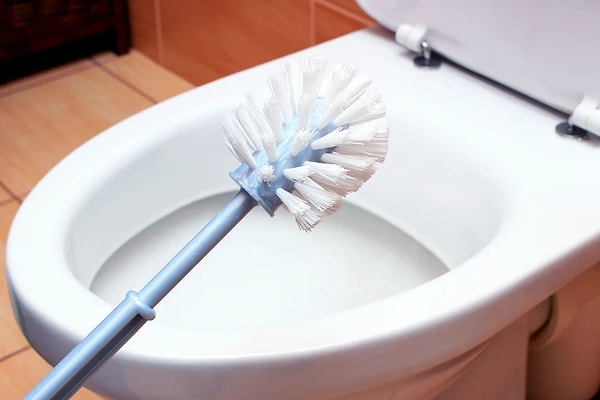
While completely sealed and unventilated containers might present a neat appearance in the bathroom, they inadvertently invite bacteria by trapping humidity within. Hicks emphasizes the need to opt for ventilated holders with air flow or drainage holes, allowing any residual moisture to evaporate.
Merely rinsing regularly doesn't suffice in combating germs. Experts recommend soaking the brush in a diluted disinfectant solution, such as bleach or white vinegar, for 10 to 15 minutes at least once a week. During this time, the solution penetrates the bristles, annihilating hidden bacteria. Of course, it's crucial not to overlook cleaning the dirty water accumulated at the bottom of the brush holder and wiping it down with disinfectant before drying it off.
No matter how well you take care of it, a toilet brush doesn't have an infinite lifespan.
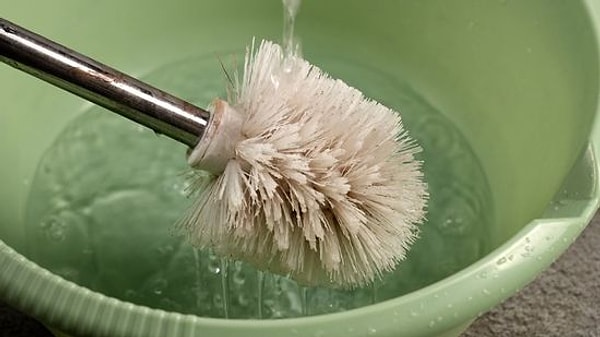
Over time, brushes that become worn and misshapen not only lose their cleaning efficiency but also become a breeding ground for bacteria.
The consensus among experts is that toilet brushes should be replaced every 6 to 12 months, or even sooner if the bristles become deformed or change color.
Keşfet ile ziyaret ettiğin tüm kategorileri tek akışta gör!
 Test
Test
 Gündem
 Magazin
 Video
Video



Send Comment