


Psychologists Reveal the Shared Trait of Parents Who Keep Their Kids' Memories


A first step shoe, a colorful pre-school painting hung on the wall, a broken toy car, or a love-filled letter penned in childish handwriting... Despite having lost their function years ago, these small objects are carefully preserved in many homes, underlying a profound psychological process. Psychology experts point out that the tendency of parents to keep items from their children's childhood is not merely a simple habit; it's a quest to preserve family history and establish intergenerational bonds.

According to experts, the need to physically preserve childhood memories stems from the desire to keep alive the emotional memory and a unique phase of life that will never return.
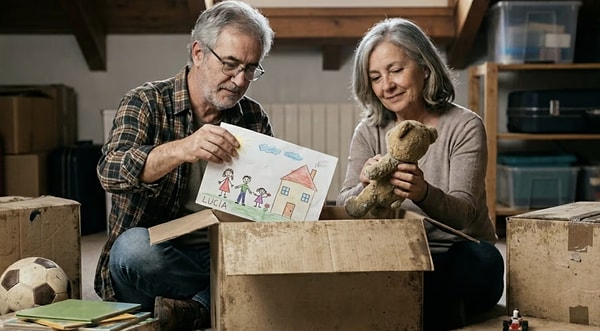
A seemingly mundane photo taken in the garden or a simple craft made at school become symbols of irreplaceable moments in the minds of parents. From a psychological perspective, these tangible memories serve as miniature 'time capsules':
Creating a Family Narrative: By preserving these items, parents help keep the family's identity and stories alive.
Bridge to the Past: Regardless of their material value, these objects encapsulate the children's growth process, the time spent together, and the pure emotions of those years.
Why is it so Hard to Throw Away?
To an outsider, discarding an old picture or toy may seem utterly trivial. However, for a mother or father, throwing away that item means leaving behind a vibrant part of their family history. The fact that emotional weight far outweighs monetary value is the biggest factor making parting so difficult.
As time passes, these memories not only become unique sources for parents, but also for children who grow up and become adults.
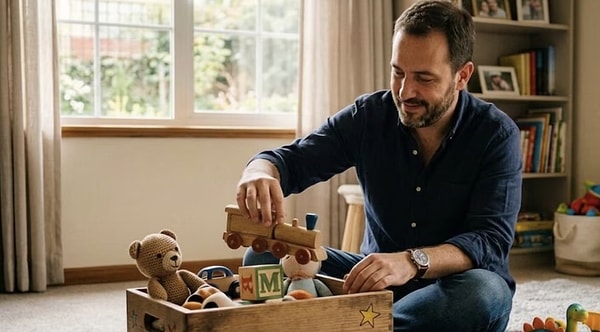
Through these objects, children not only learn about the details of their own past, but they also tangibly feel the place they held in their parents' hearts as youngsters and the extent of their value.
Although preserving memories is a highly positive and healthy practice from a psychological standpoint, experts issue a significant warning: excessive accumulation. The urge to keep everything can eventually create physical discomfort at home and narrow living spaces.
The practical suggestion from experts at this point is to 'be selective'. Instead of filling the entire house with old items, choosing a few special pieces that hold the most meaning and evoke the most emotion, and organizing them into elegant memory boxes, albums, or special compartments, emerges as the healthiest way to maintain both mental and household order.
Keşfet ile ziyaret ettiğin tüm kategorileri tek akışta gör!
 Test
Test
 Gündem
 Magazin
 Video
Video



Send Comment