


Forget Trendy Detoxes: 30 Fiber-Rich Foods Expert-Recommended for Ultimate Gut Health


Are you experiencing bloating, irregular bowel movements, and digestive issues? If you're looking for a solution in miraculous detox drinks, there's no need. According to Gastroenterology Specialist Assoc. Prof. Dr. Genco Gençdal, the foundation of intestinal health is not a single 'miracle food', but a balanced diet that can be maintained in the long term.
Here are 30 foods that support gut health.

"Whatever You Eat, Your Intestines Experience It Too."
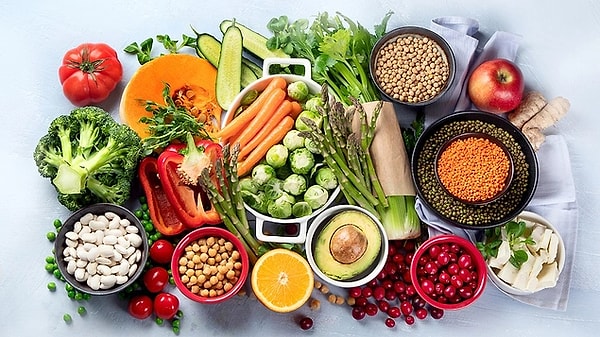
Firstly, you should know that the microorganisms living in our intestines are directly affected by the food we put on our table. Vegetables, fruits, legumes, and whole grains rich in fiber contribute to the support of beneficial bacteria, while overly processed foods and excessive amounts of red meat negatively affect the gut microbiota.
1. Vegetables
Broccoli, cabbage, cauliflower, arugula, spinach, carrot, tomato, and pepper... The basis of gut-friendly nutrition is to include vegetables of different colors. The more variety on your plate, the more diverse the fiber and plant compounds you get.
2. Fruits
Fruits such as apple, pear, orange, kiwi, and strawberry should be consumed whole as much as possible. Because fruit juice does not provide the same amount of fiber as the fruit itself. Therefore, consuming the fruit itself instead of squeezing its juice is a better option for gut health.
3. Dry legumes
Lentils, chickpeas, dried beans, and borlotti beans are rich in both fiber and plant protein. Moreover, short-chain fatty acids such as butyrate, which are produced as a result of the breakdown of fiber by gut bacteria, provide an important energy source for colon cells.
4. Whole grains
Whole wheat bread, bulgur, oats, barley, brown rice, and whole grain pasta can be preferred instead of white bread and refined grains. These foods are practical ways to increase daily fiber intake.
5. Nuts and seeds
Walnuts, almonds, hazelnuts, chia seeds, and ground flaxseed are also among the gut-friendly options. However, it should not be forgotten that nuts have a high energy value; it is important to consume them in moderation instead of increasing the portion because they are beneficial.
6. Variety in protein sources
You don't have to completely eliminate red meat from your life, but it's important to keep the amount under control. The expert reminds us of the limit of about three portions a week and a total of 350-500 grams of cooked red meat. In addition, different protein sources such as fish, chicken, eggs, yogurt, kefir, and legumes can be included in the diet.
End to Bloating: 30 Foods for the Intestines

Broccoli
Cabbage
Cauliflower
Arugula
Spinach
Carrot
Tomato
Pepper
Apple
Pear
Orange
Kiwi
Strawberry
Lentil
Chickpea
Dry bean
Pinto bean
Whole wheat bread
Bulgur
Oat
Barley
Brown rice
Whole grain pasta
Walnut
Almond
Hazelnut
Chia seed
Ground flaxseed
Yogurt
Kefir
Don't Suddenly Increase Loofah Consumption
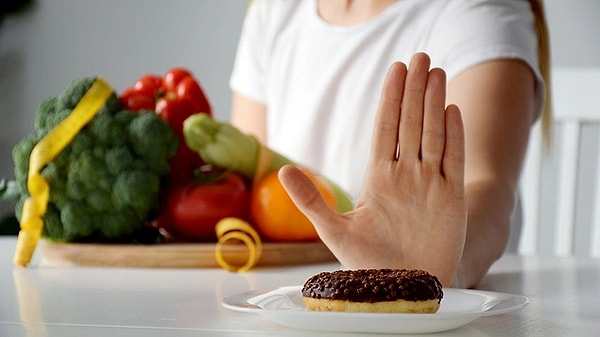
According to experts, a daily fiber intake of about 30 grams can be targeted for adults. Of course, instead of starting to consume more fiber all at once, the amount should be gradually increased. Because when sufficient water is not taken, gas, bloating and abdominal discomfort can be observed.
No Need to Completely Ban Junk Food
Hold on tight, because this might be the point that will please you the most: You don't have to give up every food you love for gut health. It is sufficient that fast food, packaged snacks, processed meats, overly processed foods and sugary drinks do not form the basis of daily nutrition. As emphasized by the expert, the important thing is not to turn occasionally consumed foods into a daily habit.
Nutrition Alone is Not Enough for Gut Health
Regular movement is also an important part of gut health. A brisk walk of 20-30 minutes every day can be beneficial. Healthy eating can contribute to reducing the risk of colon cancer, but it is not sufficient on its own.
In short, increase vegetables, fruits, legumes and whole grains instead of miraculous detoxes; reduce processed foods and stay active. And remember that creating sustainable habits makes the real difference in gut health.
Keşfet ile ziyaret ettiğin tüm kategorileri tek akışta gör!
 Test
Test
 Gündem
 Magazin
 Video
Video
Read More






Send Comment