


Nebraska Paves First Plastic Road by Mixing Two Million Bags Into Asphalt


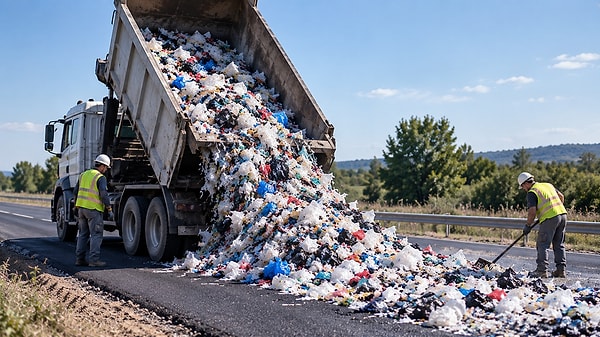
In South Sioux City, located in the state of Nebraska, USA, a road spanning approximately 1.2 kilometers was paved with asphalt mixed with 2 million recycled plastic bags. This project, a first in the state, aims to reduce plastic waste while enhancing the road's resilience against fluctuating weather conditions.
So, how was the asphalt with plastic additives prepared?

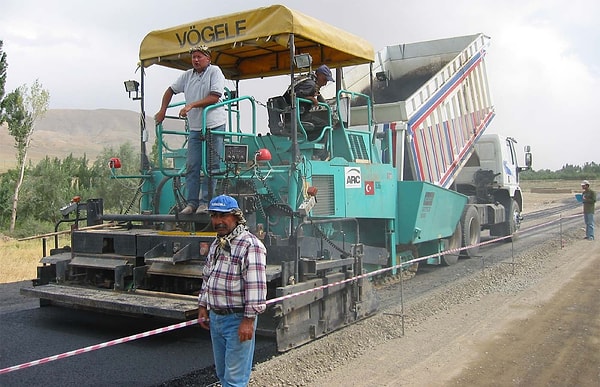
A section of Foundry Road, approximately 1.2 kilometers long, was paved with asphalt prepared from 2 million bags.
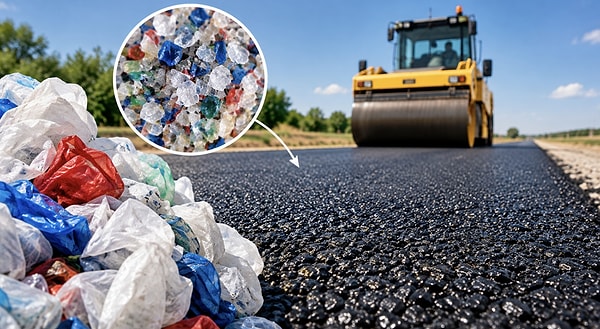
The same mixture was also utilized in the extension of a bicycle path in the city. A grant of $500,000 was received from the Nebraska Environmental Foundation for the project.
Scientific support for the study was provided by Jamilla Teixeira, a faculty member of civil and environmental engineering from the University of Nebraska-Lincoln.
The mixture also contains 25 percent of recycled old asphalt, in addition to plastic.
Teixeira was already spearheading a study investigating the feasibility of incorporating waste plastics into asphalt. This research involved testing the resilience of plastic-enhanced mixtures against cracking, wheel tracking, and moisture.
Speaking about the road in South Sioux City, Teixeira stated, 'This is a pilot project, but it presents a perfect opportunity to test how the mixture will perform under the extreme weather conditions here.'
This method, which is a first in Nebraska, has previously been tested in various states across the US and in India.
The states of Colorado and Wisconsin in the USA have previously invested in asphalt produced from fragmented plastic. Meanwhile, India had implemented the idea of plastic roads over 25 years ago.
Keşfet ile ziyaret ettiğin tüm kategorileri tek akışta gör!
 Test
Test
 Gündem
 Magazin
 Video
Video



Send Comment