


Microplastic Alarm Spreads to Mediterranean: Alarming Coastline Images Emerge From Antalya


The plastic waste crisis, brought to the agenda by environmental consultant Prof. Dr. Mustafa Öztürk and The Guardian at the beginning of August, is growing. Images from the Antalya coasts days later reveal the microplastic pollution caused by plastic wastes sent from Europe to Turkey, now raising alarm for the Mediterranean coasts.
Here are the details

What Causes Plastic Waste Pollution?
According to research by The Guardian, between the years 2021 and 2024, 13 British companies sent approximately 52 thousand tons of plastic waste to the Kemal Deniz region in Adana.
The research found that the levels of microplastics in the waters below the recycling plants were about 10 times higher than in the upper regions. The use of these canals to irrigate the surrounding agricultural lands has further increased the concern.
During the recycling process of plastics, a large number of small plastic particles can form when they are broken down and washed. If the wastewater is not sufficiently treated, it is possible for these particles to be transported into the environment.
Microplastic Pollution in the Mediterranean Increased 66 Times
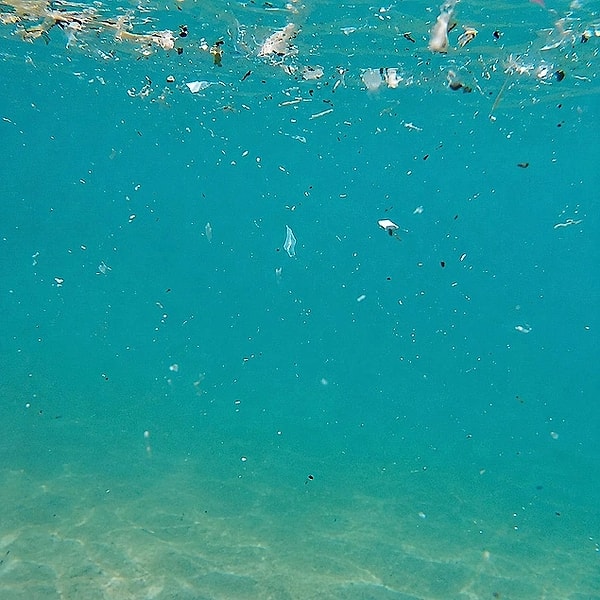
One of the most striking aspects of the plastic waste debate in Turkey is the microplastic pollution in the Mediterranean. It was reported that the microplastic pollution in the Mediterranean has increased 66 times since 2018.
Microplastics can be ingested by marine life and can accumulate in their digestive systems. Moreover, there are new question marks not only in terms of marine life, but also in terms of contact with humans.
Alarming Images from Antalya
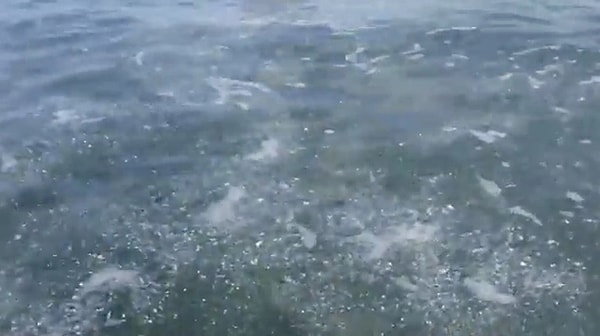
On August 17, Prof. Dr. Mustafa Öztürk shared images from the Çıralı/Kemer Karaburun Beach in Antalya, stating that the sea surface was covered with microplastics.
In his post, Öztürk also mentioned that foreign visitors in the area had left the beach.
Here's the video👇
Main Question: Where Do These Wastes Go?
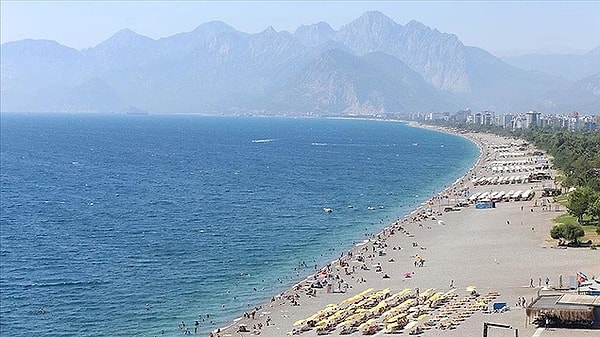
Prof. Dr. Mustafa Öztürk draws attention to the pollution covering the sea surface at Konyaaltı Beach, mentioning a critical distinction. In facilities, we generate a general processing loss of 100 to 300 kilograms per ton of plastic depending on the pollution level; this is an expected situation. However, the real environmental disaster that horrifies us is the microplastics we unintentionally create when we break and crush those plastics. The research is very clear: A full 60 to 130 kilograms of every ton of processed plastic waste turns directly into microplastics. This is the real environmental time bomb.
75 Billion Particles Passing Through Filters
Even in just one cubic meter of washing water, there are 75 billion plastic particles floating. A study conducted in Turkey shows that approximately 4.6 kilograms of microplastics can directly mix into nature from every ton of processed plastic.
Moreover, the danger is not only in our waters. In the open air, while breaking down those wastes that are left under the sun and gnawed, we scatter twice as much microscopic poison into the air. So, we are not only ingesting the poison, but also inhaling it.
Keşfet ile ziyaret ettiğin tüm kategorileri tek akışta gör!
 Test
Test
 Gündem
 Magazin
 Video
Video
Read More





Send Comment