


Alarm Bells Ring in the Turkish TV Industry: A Decline Over Three Years!


There was a time when audiences around the world were glued to their screens, talking about Turkish dramas. Now, however, the picture behind the scenes is far less rosy. Producer Cemil Yavuz and director Ufuk Cebeci spoke to Türkiye Gazetesi about why the industry is losing ground. Producers are now pinning their hopes on a new format: 12-minute vertical series.
Source: Türkiye Gazetesi


Turkish TV dramas had become an export powerhouse, reaching one billion viewers every day in more than 170 countries.
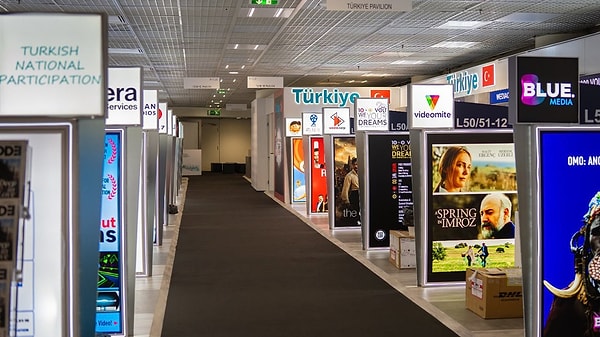
For years, Turkish dramas have drawn eager audiences around the world, turning their stars into household names abroad. According to figures circulating in the industry, these productions reach one billion viewers a day in more than 170 countries, while annual export revenues are said to have topped $1 billion.
The official picture, however, is less impressive. According to the Trade Ministry’s latest figures, Turkey’s TV drama exports bring in around $610 million a year. No definitive export figure for 2026 has been released yet.
Production costs per episode have reached 25 million TL, while the number of TV series has fallen by nearly 40% in three years.
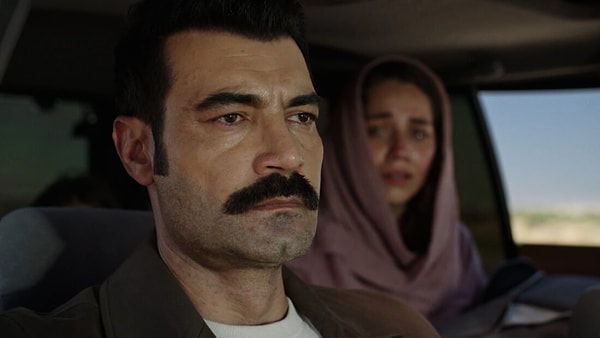
The real shock lies in the numbers. According to Türkiye Gazetesi, the production cost of a single TV series episode has climbed to as much as 25 million lira. Over the same period, the number of Turkish series on television has fallen by nearly 40 percent in just three years.
The picture is even more troubling when it comes to exports. Some shows that once sold for $500,000 are now reportedly fetching just $150,000—less than a third of their former price. The Culture and Tourism Ministry has even begun offering up to $100,000 per episode in support, a clear sign of just how serious the problem has become.
So what happened? Producer Cemil Yavuz says the balance shifted dramatically after the pandemic. “As digital platforms took off, people began watching series whenever they wanted instead of waiting a week between episodes. At the same time, changing exchange rates drove up costs.” Yavuz recalls that television networks used to take 70 percent of the advertising market. Today, their share has fallen to just 18 percent. And to make matters worse, countries in the MENA region that once bought Turkish series have started producing their own.
Director Ufuk Cebeci points to another part of the problem: series with low ratings are pulled off the air almost immediately, while shows that last only a few episodes have little chance of finding buyers abroad.
Vertical series cost just one-fifth as much to produce as weekly shows, and producers are increasingly turning their attention to the format.
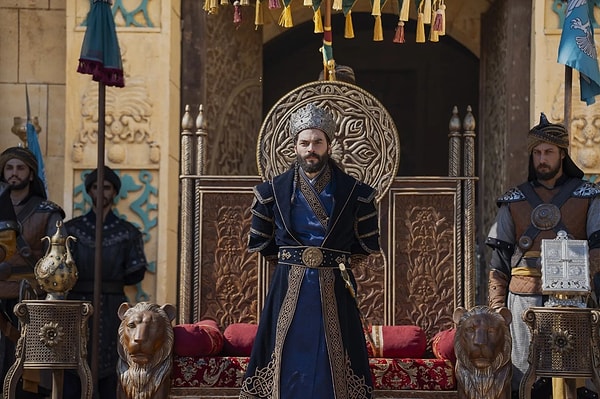
Vertical dramas have become the latest hope for producers looking to break out of the crisis. Also known as microdramas, they consist of 12-minute episodes shot in tight frames designed for phone screens. Created for viewers accustomed to watching short videos on social media, vertical dramas are no longer just clips cut from longer TV shows. Dedicated teams are now producing original content from scratch.
The appeal lies in the budget. According to Ufuk Cebeci, vertical dramas can be made for one-fifth the cost of weekly TV series. “That’s because they use smaller crews and work at a faster pace. Of course, there can be a difference in quality.” Cebeci acknowledges that vertical dramas tend to cover familiar themes, but points out that weekly series are hardly any different.
Cemil Yavuz, meanwhile, urges a little caution. He says the global market is expected to reach $60 billion, and while huge investments are being made around the world, productions in Türkiye remain more modest. In Yavuz’s view, the format is no magic bullet for the industry: “The companies that pioneered vertical dramas around the world are now losing money. On top of that, the content is limited and the production quality is low.”
In short, vertical dramas are on the rise. Whether they can pull Türkiye’s TV industry out of its crisis, however, remains a big question mark.
Keşfet ile ziyaret ettiğin tüm kategorileri tek akışta gör!
 Test
Test
 Gündem
 Magazin
 Video
Video



Send Comment