


A New Era for City Roads: Olive Stones Will Now Be Used in Asphalt


The city of Barcelona in Spain has embarked on a groundbreaking project to erase its carbon footprint in urban infrastructure. The next-generation asphalt, produced with biochar derived from olive pits and pine waste, is set to reduce road emissions by 75%.

The "21st Century Street Section" project, brought to life under the leadership of the Barcelona City Council and the BIT Habitat Foundation, is radically transforming traditional road construction methods.
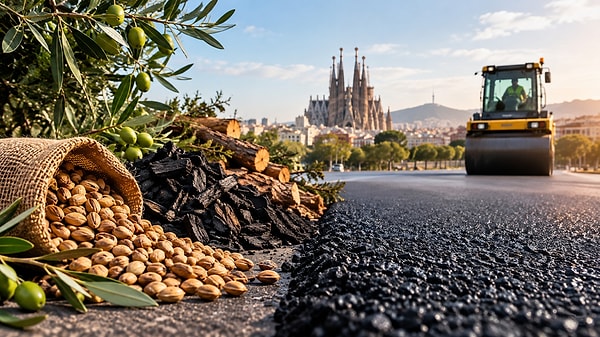
In an initiative aimed at purifying city streets from carbon, biochar derived from olive groves and pine trees has replaced the mineral fillers traditionally used in asphalt production.
The project, carried out in collaboration between the Polytechnic University of Catalonia (UPC) and the companies AMSA and ELSAN, aims to establish Barcelona as a global leader in the field of circular economy.
Within the scope of the project, agricultural and forest waste are subjected to thermochemical processes, transforming them into a solid substance with a high carbon content.
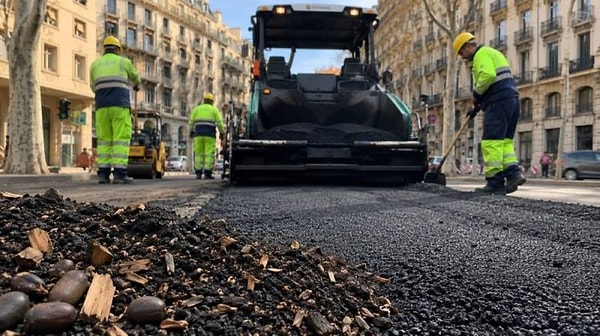
Laboratory tests conducted by UPC have confirmed that biochar-enhanced asphalt possesses the same durability and performance characteristics as standard asphalt.
This not only eliminates the high environmental footprint caused by urban transformation and road construction activities, but also transforms the city's open roads into veritable 'carbon capture areas'.
This newly developed method holds the potential to reduce emissions originating from asphalt layers by a significant 75%.
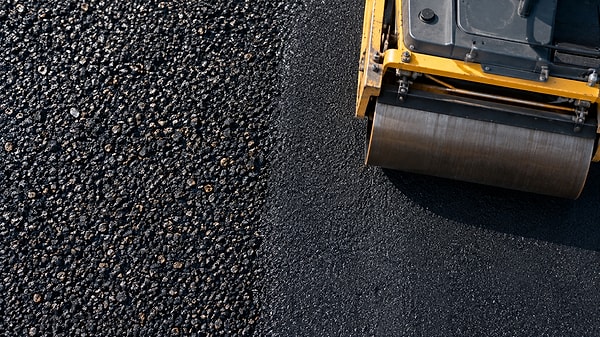
This historic step taken by Barcelona towards its 2030 climate neutrality targets also provides a feasible model for other global metropolises wishing to decarbonize their infrastructure.
Keşfet ile ziyaret ettiğin tüm kategorileri tek akışta gör!
 Test
Test
 Gündem
 Magazin
 Video
Video



Send Comment