


20,000 Square Meters of Rubber Sheeting Wipes Out 90% of Invasive Mussels


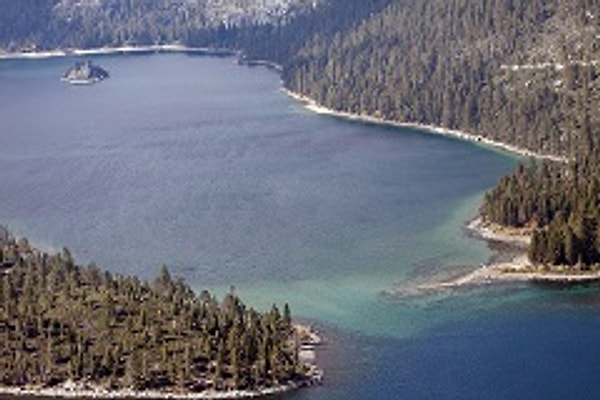
At Lake Tahoe in the USA, scientists have covered approximately 20,000 square meters of the bottom of Emerald Bay with rubber mats in order to combat invasive Asian clams. The mats remained at the bottom of the lake for two years in the largest clam control project in the lake's history.
So, how does this method work?

Rubber coverings are killing mussels by cutting off their access to oxygen in the water.
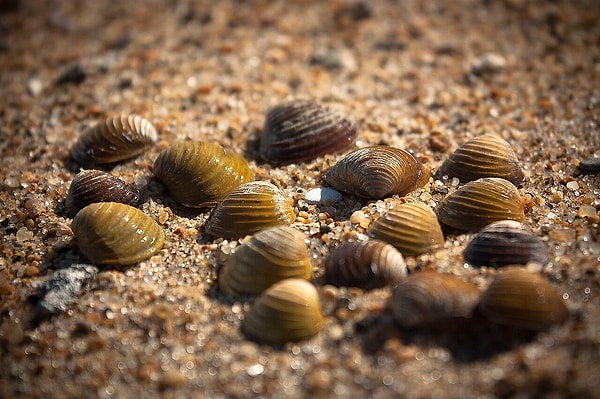
Asian clams were first spotted in Lake Tahoe in 2002. By increasing the nutrient levels in their surroundings, these clams trigger algae growth and displace native species from their habitats.
Consequently, in 2012, a method developed by researchers at the University of California, Davis campus was put to the test. Scientists and divers covered the lake bed, where the clams were found, with black rubber mats. These mats obstructed the clams' access to oxygen in the water.
It was estimated that at least 90% of the mussels had died when the covers were removed in 2014.
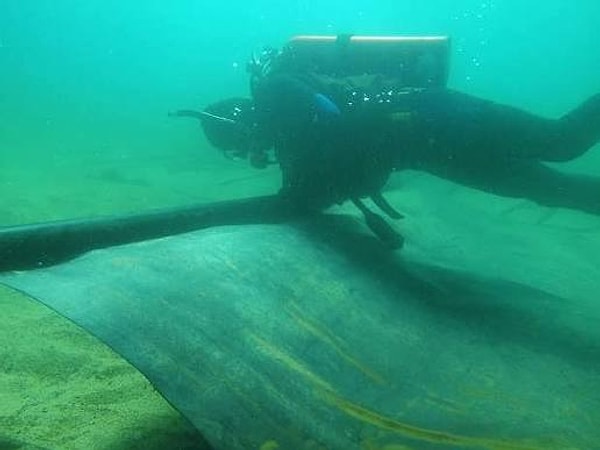
This method was being implemented on such a large scale for the first time. The covers, which had remained at the bottom of the lake for approximately two years, were collected by divers at the end of 2014. Initial measurements indicated that a significant portion of the mussels under the covers had died.
Dan Shaw, an environmental scientist from the California Parks and Recreation Department, reminded that Emerald Bay is one of the iconic spots of Lake Tahoe. He said, 'When we found this cluster of mussels, we thought that the best opportunity to protect the bay was to implement a control project here.'
Despite the cleanup project carried out in another part of the lake, the mussels have not completely disappeared.
A small, isolated mussel community was discovered in Sand Harbor, located in the northeast of the lake, back in 2014. A multi-year eradication project, which commenced in 2017, was implemented in an attempt to eliminate these mussels.
However, following the completion of the project, a survey conducted in 2021 revealed the presence of live mussels scattered across the region. It was determined that, apart from a few small areas, the overall density was low. Researchers continue to monitor the mussels in the area.
Keşfet ile ziyaret ettiğin tüm kategorileri tek akışta gör!
 Test
Test
 Gündem
 Magazin
 Video
Video



Send Comment