


10 Sheep Saved a Vineyard: How Regenerative Agriculture Transformed Land in Virginia


A vineyard located in the state of Virginia, USA, drew attention with its groundbreaking method in agriculture. Starting with about 10 sheep, approximately 100 sheep were placed in the vineyards. This unexpected move eliminated the need for synthetic fertilizers and insecticides.
Here are the details

The Vineyard's New Employees: Approximately 100 Sheep
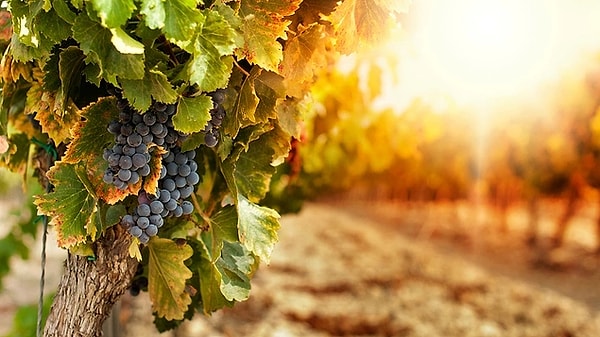
At Ashton Creek Vineyard, sheep are allowed to roam in a controlled manner between the rows of grapevines. The aim is not just to clear the grass; it's to contribute to the soil with the animals' natural fertilizers and strengthen the natural cycle in the vineyard.
The practice began in the spring of 2020 with about 10 sheep. Over time, the number of the growing herd has approached 100 today, and the sheep have become an important part of the vineyard's agricultural system.
They Quit Using Chemical Fertilizers
With the transition to regenerative agriculture, the business completely stopped using synthetic fertilizers and herbicides. While insecticides are also not used, the use of fungicides was reduced by 40%.
There was a 65% decrease in the agricultural inputs purchased from outside. Thus, practices aimed at protecting the soil also reduced production costs.
Organic Matter in Soil Increased by 400 Percent

The most notable benefit of the method in agricultural terms was a 400% increase in organic matter in the soil.
According to the company's data, the organic matter ratio in the soil increased from below 0.8% to approximately 2.4%. Following this change, the soil began to retain more water, and the company reports that it no longer needs irrigation.
Another important part of the system is plant diversity: 23 different types of grasses and legumes are used in the vineyard.
These plants strengthen the structure of the soil, while also providing a habitat for various creatures. With the grazing of the sheep, the vineyard transforms from a place solely for growing grapes into a broader ecosystem.
These practices brought a first to Ashton Creek Vineyard and its sister company, Riverside Vines, in Virginia. The two companies became the first vineyards in the state to achieve the Certified Regenified status in the field of regenerative agriculture.
Keşfet ile ziyaret ettiğin tüm kategorileri tek akışta gör!
 Test
Test
 Gündem
 Magazin
 Video
Video
Read More





Send Comment