


Turkey's Most Beautiful Villages—You'll Have a Hard Time Finding Them Even on a Map!


If you're tired of Turkey's bustling holiday resorts and seeking authentic experiences, this list is just for you. Spanning from the foggy highlands of the Black Sea to the stone houses of Eastern Anatolia, from the hidden bays of the Mediterranean to the tuff cliffs of Central Anatolia, these 15 villages still maintain their traditional way of life.
Here, you'll encounter not the tourist crowds, but villagers who rise with the morning call to prayer to graze their animals, women baking bread in traditional ovens, and families hosting guests in centuries-old stone houses.
Are you ready?

Pokut Plateau, located in Çamlıhemşin, Rize.
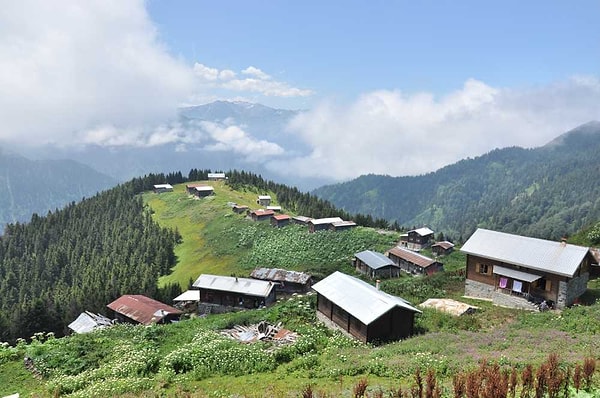
Nestled at an altitude of 2,032 meters, this highland village of the Black Sea region is a haven of every shade of green. Initially used as a seasonal settlement in the early 1800s, Pokut is now home to approximately 50 people during the summer months, while it completely empties out in winter. The village, bearing the traces of the Hemshin culture with its wooden houses, is noteworthy for its production of organic honey and cheese, especially between June and September. It is situated 21 km away from the district center of Çamlıhemşin, with the last 7 km of the route being a stabilized dirt road. The route, which stretches along the Fırtına Creek, is surrounded by tea gardens and chestnut forests. Electricity arrived in the village in 2005, whereas internet access is still limited. The local population speaks a dialect of Laz language and makes their living through livestock farming.
Hizan-Hisvak Village, Bitlis
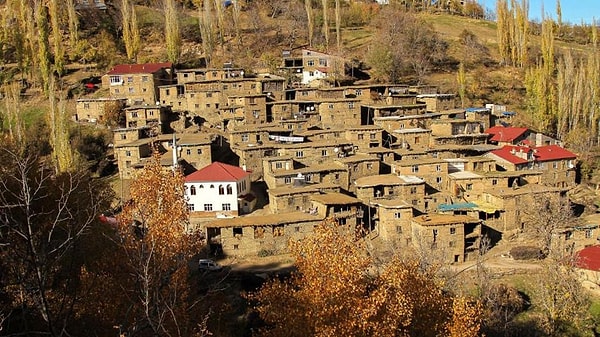
Believed to have been established during the Seljuk period in the 1200s, Hisvak is a historic village that is home to 180 people today. Known for its stone houses and dome-shaped tombs, this settlement offers one of the best-preserved examples of traditional Eastern Anatolian architecture. The village still upholds the tradition of preparing dried vegetables (such as kavurma, pestil, and köme) for the winter months. It's located 85 km from the center of Bitlis and 18 km from the district of Hizan. According to the records of the Ministry of Agriculture and Forestry in 2019, there are three certified guest houses in the village catering to tourism. If you happen to visit during the autumn months, you're in luck as you may coincide with the walnut and plum harvest.
Adrasan Village, Kumluca, Antalya
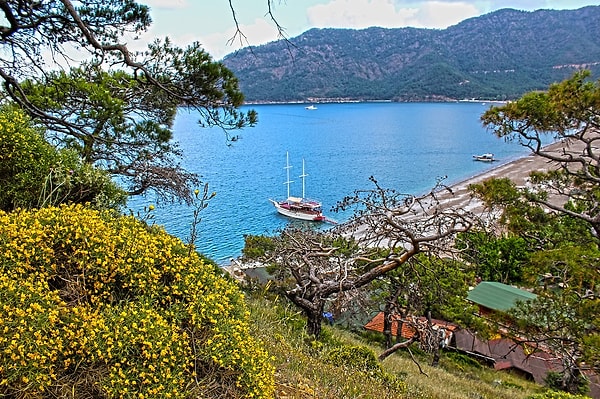
Nestled within the boundaries of the Olympos Beydaglari National Park, Adrasan is a tranquil Mediterranean village, home to 420 permanent residents. Established by fishing families in the 1950s, it remains relatively undiscovered compared to the more touristy Kemer or Cirali, despite its 2 km long beach and its location backed by the Bey Mountains. Although it has gained some recognition in recent years due to the Suluada boat tours and its position on the Lycian Way route, it has managed to retain its village charm. It's situated 100 km from Antalya and 38 km from Kumluca. The village is dotted with small pensions and restaurants dating back to the 1980s, but there are no large hotels. The local population primarily engages in citrus farming and greenhouse cultivation.
We could say that the ideal time to visit would be between May and October.
Onion Village, Green Castle, Kayseri
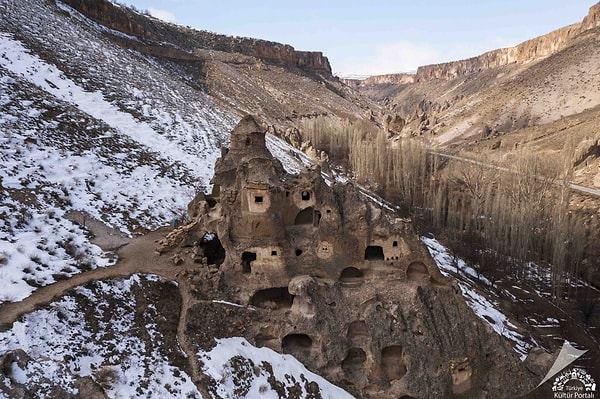
Soğanlı, renowned for its churches and monasteries dating back to the Byzantine and Seljuk periods, is one of the hidden gems of Central Anatolia. The history of this village extends back to the 4th century AD, with its structures carved into tuff rocks featuring on UNESCO's Tentative List of World Heritage Sites. Today, it is home to 310 inhabitants who continue the traditional craft of hand-weaving carpets and rugs. Located 45 km from Kayseri and 32 km from Ürgüp, the village also engages in organic viticulture, with grape molasses and dried fruit pulp production playing a significant role.
Despite its close proximity to the tourist hotspot of Cappadocia, Soğanlı remains somewhat off the beaten path, rarely attracting the day-trip crowds. The blossoming of flowers in the valley during the spring months (April-May) is a sight to behold. The village hosts a few family-run guesthouses, however, booking in advance is a must.
The village of Shavshat-Karagol, located in Artvin.
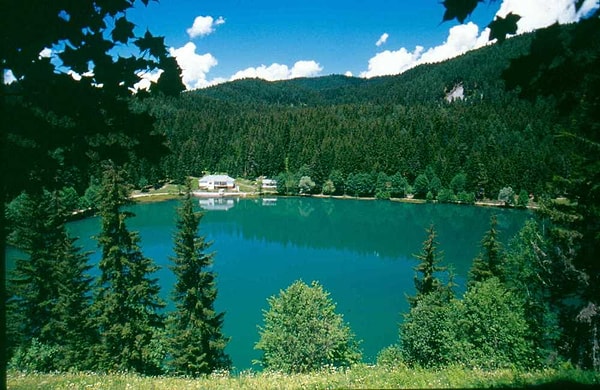
Situated at an altitude of 2,000 meters, Karagöl is a tiny settlement founded by Georgian immigrants in the 1700s, and is now home to a mere 35 people. The village is named after the Karagöl (Şavşat Karagöl Sahara National Park), a volcanic crater lake located just 4 km away. With its traditional Georgian wooden houses, stone-clad roofs, and surrounding spruce forests, the village offers a picture-perfect scenery. It's located 92 km from the city center of Artvin and 27 km from Şavşat. The local population makes their living primarily through livestock farming (particularly sheep and goats) and beekeeping. The village is open for visits from July to September, while the winter months see it completely covered in snow.
Halfeti-Savasan Village, Sanliurfa
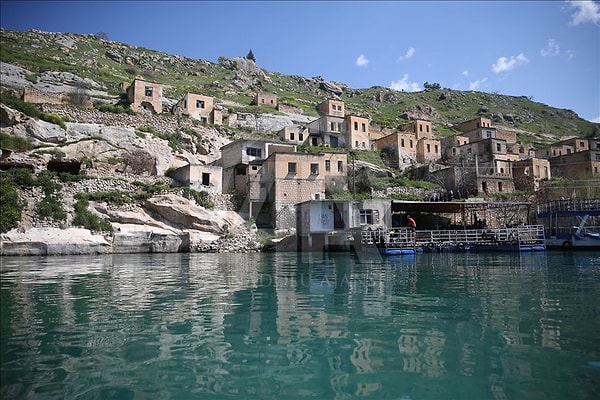
In contrast to the old Halfeti, which was submerged under the waters of the Birecik Dam, Savaşan is a stone-house village inhabited by 240 people and serves as one of the new settlements. It was established by families who migrated before the dam was built in the early 1990s. Located on the banks of the Tigris River, the village draws attention with its stone structures. It is situated 120 km from the Şanlıurfa city center and 8 km from the district of Halfeti. The village makes its living from irrigated agricultural lands and fish farms. The ideal times to visit are during the spring and autumn months. Tours to Rumkale can be arranged by boat. There are small restaurants in the village, but accommodation is limited, so most visitors choose to stay in the center of Halfeti.
Sivrice-Göynük Village, Elazığ
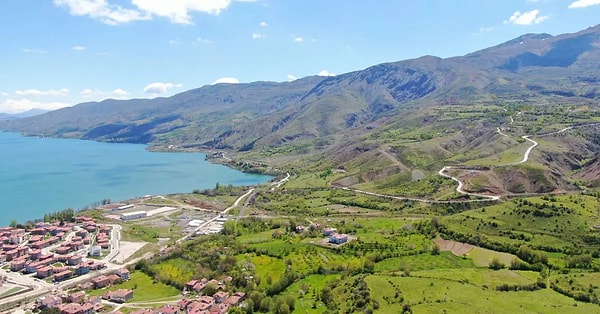
Situated on the banks of the Keban Dam, Göynük, a village founded by nomadic Turkmen in the mid-1700s, is today home to 195 people. With its stone houses, flat-roofed architecture, and traditional clay ovens in courtyards, it preserves the traditional lifestyle of Eastern Anatolia. Located 62 km from the center of Elazığ and 18 km from the district of Sivrice, the village's economy relies on livestock farming (especially sheep) and the cultivation of walnut and almond trees. Women continue to spin wool and weave rugs. In the spring months (April-May), the surrounding mountains bloom with flowers, while autumn brings the walnut harvest. Although there are no accommodation facilities in the village, traditional games and meals are a highlight of local weddings, even in the absence of local festivals.
Keşfet ile ziyaret ettiğin tüm kategorileri tek akışta gör!
 Test
Test
 Gündem
 Magazin
 Video
Video



Send Comment