


It Takes Months To Read The World’s Longest Novel


When one thinks of the world's longest novel, Marcel Proust's monumental work immediately springs to mind. 'In Search of Lost Time' holds a unique place not only for its sheer volume, but also for its profound impact on literature. This seven-volume novel was published between 1913 and 1927. The work reads like a lengthy inward journey, exploring themes of memory, time, love, jealousy, and society. Today, Proust's colossal narrative remains one of the greatest challenges in literature for readers.

Marcel Proust's novel is a colossal work spanning seven volumes.
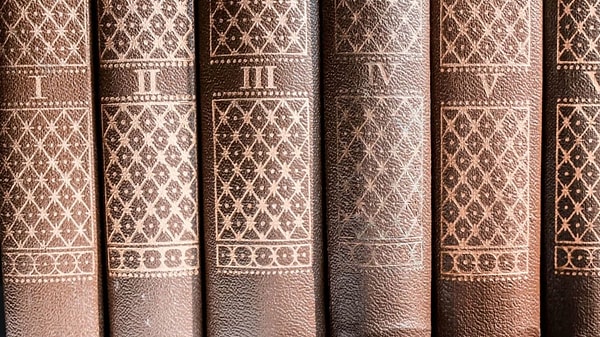
Marcel Proust's work, known in English as In Search of Lost Time, or À la recherche du temps perdu in its original French, is a literary masterpiece. According to Britannica, the novel consists of seven parts and was published between 1913 and 1927. Proust embarks on a journey through time, memory, and human relationships, using a narrator who bears traces of his own life. The novel is considered one of the most significant works of modern literature.
The length of the work is a story in itself. Guinness World Records lists Proust's work as the longest novel in the world. Britannica also reports that the novel contains over 1.3 million words and has been recorded by Guinness as the longest novel. Therefore, In Search of Lost Time is seen not merely as a novel, but as a vast literary universe in which the reader can immerse themselves for months on end.
The literary legend penned in a room lined with mushrooms.
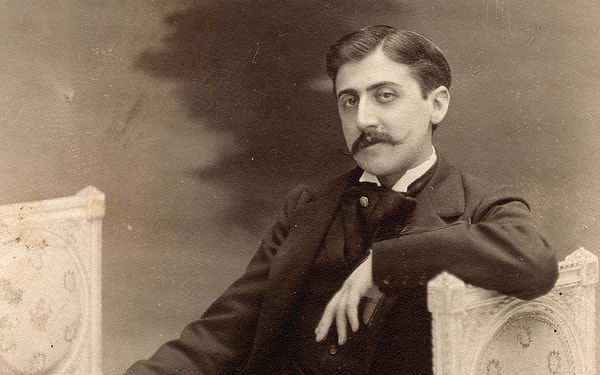
Proust's writing process is as intriguing as his novel. The author spent much of his later life working in a cork-lined room in Paris. The New Yorker discusses Proust's cork-lined room, which can be seen at the Musée Carnavalet in Paris, and his habit of writing in bed. Proust's illnesses and delicate constitution led him to adopt a more isolated writing regimen, distancing himself from the outside world.
Upon its initial publication, In Search of Lost Time didn't receive an easy acceptance. Swann's Way, the first volume, was published in 1913. The process of publishing the first volume was fraught with difficulties as Proust's manuscript was initially rejected by several publishers. However, the novel later made a significant impact in the literary world. Proust made his book enduring not only through its plot, but also through its power to depict the workings of the human mind.
The Madeleine scene transformed the narrative of memory into a symbol.
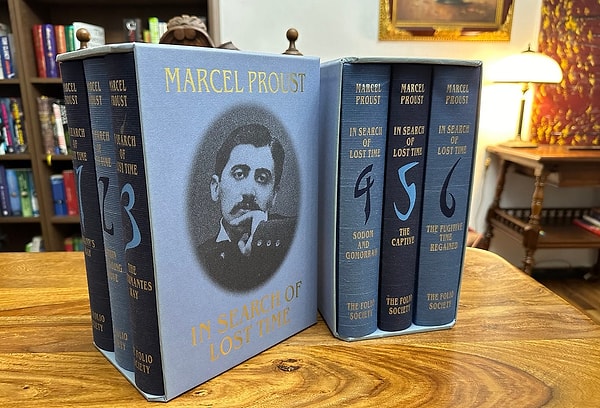
One of the most iconic scenes in the novel is when the narrator is transported back to his childhood memories by the taste of a madeleine dipped in tea. This scene has become one of the most well-known examples of involuntary memory in literature. The ability of senses such as smell and taste to vividly recall the past emerges as one of the most powerful themes in the novel.
In Search of Lost Time is not a novel that flows swiftly in the traditional sense. Rather than recounting events in brief, Proust unravels thoughts, memories, and emotions in extensive layers. As a result, reading the work demands a serious investment of time. However, it's precisely for this reason that the novel offers the reader not just a story, but a profound experience that imparts a sensation of how time and memory function. The fact that it's often referred to as the longest novel in the world only adds to the intrigue of this literary journey.
Keşfet ile ziyaret ettiğin tüm kategorileri tek akışta gör!
 Test
Test
 Gündem
 Magazin
 Video
Video



Send Comment