


Istanbul's Most Mysterious Places: Cisterns, Tunnels, and Passages Full of Secrets!


Beneath the magnificent skyline of Istanbul lies a labyrinth thousands of years old. Beyond the Yerebatan and Binbirdirek cisterns, which are besieged by tourists, dozens of different cisterns, tunnels, and passage systems in the depths of the city silently bridge the gap between history and the present day. From the water conservation systems of the Byzantine Empire to the secret passages of the Ottoman era, from the engineering marvels of the 19th century to the restoration projects that have survived to this day, Istanbul's subterranean architecture is as impressive as the city above.
Here are the places you need to discover.

The Şerefiye Cistern: A Colossal Water Reservoir from the 5th Century
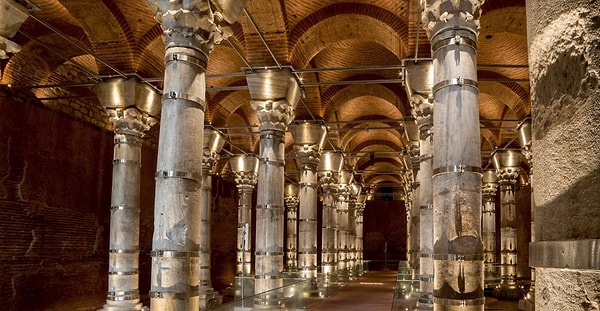
This structure, one of Istanbul's oldest water reservoirs, was commissioned approximately 1600 years ago by Emperor Theodosius II.
The Story: For centuries, this cistern breathed life into the city, only to become virtually 'invisible' in the modern era. Hidden for a full century beneath the Eminönü Municipality building constructed on top of it, this underground gem was accidentally rediscovered when the building was demolished in 2010.
Its Function: It collected water from the Belgrade Forests through the Bozdoğan Aqueduct and distributed it to the baths and palaces in the heart of the city, the Sultanahmet district.
Interesting Detail: Compared to the Basilica Cistern, it boasts a more delicate and elegant craftsmanship. Today, it stands as the oldest structure in the world where 360-degree projection mapping technology is applied, merging its ancient atmosphere with digital art.
The World's Second Oldest Subway: The Tunnel (Karakoy-Beyoglu)
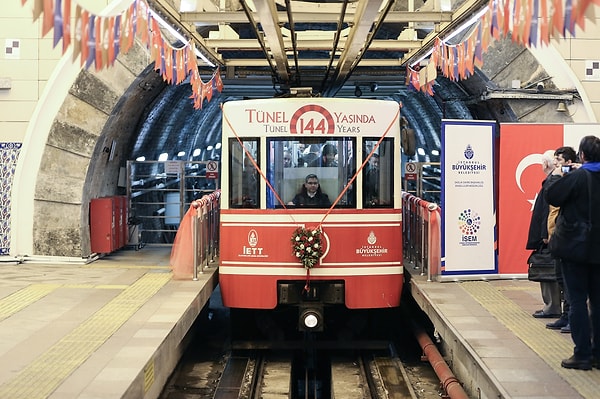
Known as the world's shortest metro, this line, which connects Karaköy and İstiklal Avenue, was opened in 1875.
The Story: When French engineer EugeneHenri Gavand visited Istanbul as a tourist, he saw people climbing the steep Yüksek Kaldırım slope, drenched in sweat. This sight sparked an idea in him: 'I should install an elevator to lift these people up.'
Interesting Detail: During its initial phase, coal was used to power the massive steam engines that pulled the carriages. The first passengers were actually helmet-wearing sheep, put on board as a safety test.
The Labyrinthine Vaults of the Basilica Cistern (Medusa's Vigil)
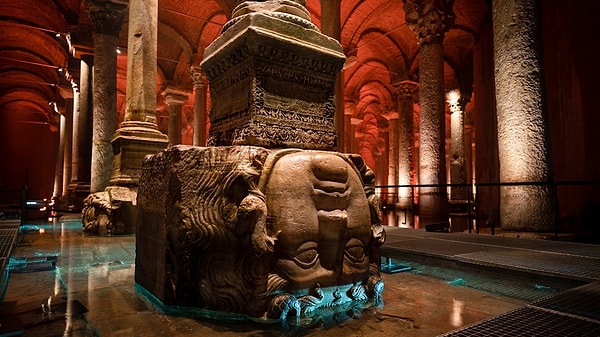
This colossal cistern, commissioned by Byzantine Emperor Justinian I, is essentially an underground palace composed of columns.
The Story: Nestled in the deepest corner of the cistern are two giant Medusa heads, used as column bases. According to legend, these heads were placed 'upside down' and 'sideways' to protect the cistern; it was believed that those who dared to look directly at them would turn to stone.
The Mystery: During the Ottoman era, the existence of the cistern was forgotten. It was serendipitously rediscovered when local residents began lowering buckets through holes in their floors and catching fish.
Anemas Dungeons (The Subterranean Layers of Fear)
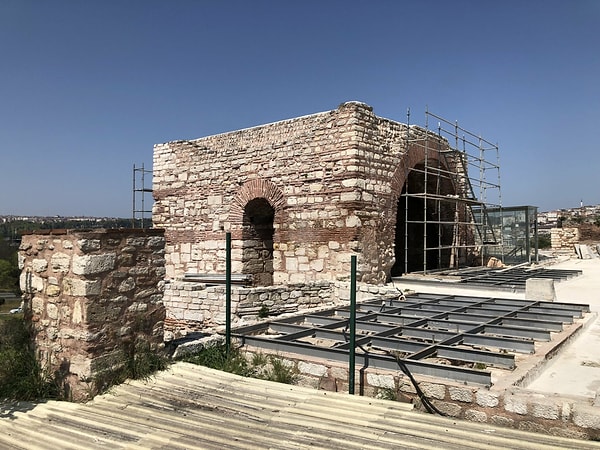
This labyrinthine complex, part of the Blakhernai Palace on the shores of the Golden Horn, is a colossal dungeon with 14 cells spanning multiple levels.
The Backstory: It takes its name from Michael Anemas, who attempted to assassinate Emperor Alexios I Komnenos. Anemas was imprisoned here, left to await his inevitable death.
A Chilling Fact: This place was not merely a prison, but also a dark maze where rebellious emperors and princes were confined, their eyes gouged out. Some of Istanbul's 'darkest' underground tales are hidden within these walls.
The Beylerbeyi Palace Tunnel (The Sultan's Garden)
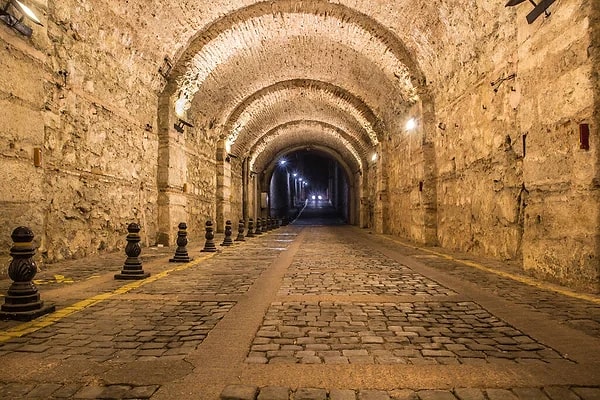
Located on the coastal road in Üsküdar, this passage is now used by vehicles, but it was once part of the palace grounds.
The Backstory: Constructed during the reign of Sultan Mahmud II, this tunnel originally served as a connection between the upper gardens of the palace and the coastal gardens. In an effort to avoid disrupting the public pathway, the design incorporated the palace gardens above the tunnel, while the space below was designated as a public road.
Its Function: In the Republican era, the tunnel was utilized for a period as a museum and stable before being opened to traffic. Even today, as you pass through, you can still see the roots of the palace's centuries-old trees and garden walls overhead.
Keşfet ile ziyaret ettiğin tüm kategorileri tek akışta gör!
 Test
Test
 Gündem
 Magazin
 Video
Video



Send Comment