


Turkey's Underground Cities: Caves Where You'll Feel Like You're on Another Planet the Moment You Step Inside


Turkey is one of the rare geographies worldwide where over 40,000 caves have been discovered. The limestone structure of Anatolia has facilitated the formation of real art galleries underground over millions of years. While some of these caves host modern health tourism, others preserve traces of human life from the Paleolithic era. According to data from the Turkish Caving Federation, only a small portion of these caves are open to visitors, but each one offers a unique subterranean experience.

Pınargözü Cave: Turkey's Longest Underground Labyrinth
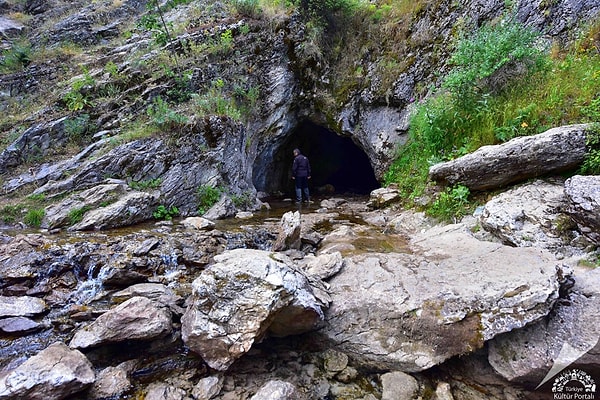
Located in the Yenişarbademli district of Isparta, the Pınargözü Cave is, without a doubt, the longest cave system in Turkey, stretching a full 16 kilometers. This colossal structure was discovered by a local shepherd in 1988 and was introduced to the scientific community through the mapping efforts of the Turkish Speleology Federation in the 1990s. The cave houses multiple chambers, underground lakes, and galleries that extend for kilometers. However, due to its closed status for touristic visits, only authorized scientists and experienced spelunkers are allowed entry. The stalactite and stalagmite formations created by water seepage in the inner sections are frequently referenced examples in geological literature.
Çal Cave: Trabzon's Asthma Treatment Center
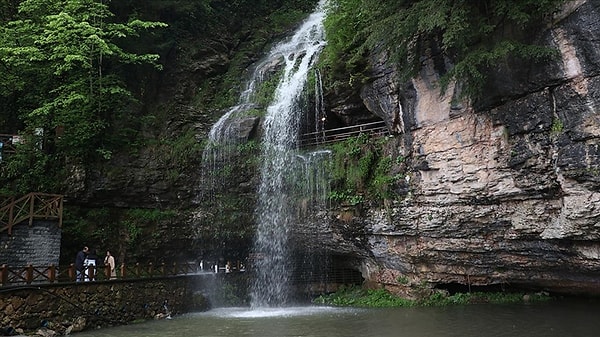
Located in the village of Çal, part of the Düzköy district in Trabzon, this cave is the second longest in Turkey, stretching an impressive eight kilometers. However, what truly sets it apart is its unique microclimate: a constant temperature of 18-20 degrees Celsius, a humidity level of 90%, and a rich mineral content all year round, offering a natural therapy option for asthma and bronchitis patients. In 1993, it had the distinction of being the first cave to be licensed by the Ministry of Health for 'Health Tourism'. Patients typically spend between six to eight hours a day in the cave, with treatment programs generally lasting 21 days. According to local health records, more than 70% of the patients treated have experienced significant improvements.
Karaca Cave: The Underground Crystal World of Gümüşhane
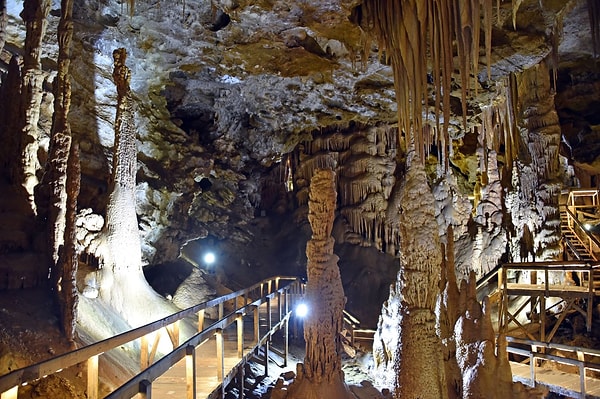
Discovered by chance by a local villager in 1948 in the Torul district of Gümüşhane, the Karaca Cave was opened to tourism in 1965. Although relatively small in size, being 150 meters long and 50 meters deep, the cave is renowned for its incredibly rich stalactite and stalagmite formations. Geological studies have determined that some of the calcite crystals inside the cave are over 200,000 years old. In particular, the 'Hat Stalactite' and 'Pyramid Hall' sections are a favorite among photography enthusiasts. With an annual average of 100,000 visitors, the cave has become an indispensable stop on Black Sea tours. Thanks to its natural ventilation system, it can be explored without fear of enclosed spaces.
Gilindire (Mirror) Cave: Mersin's Lake that Reflects like a Mirror
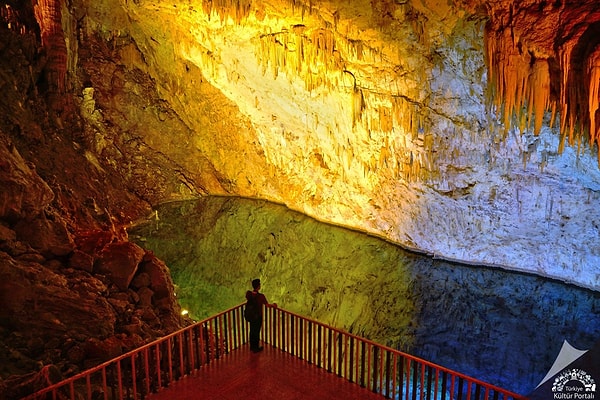
Situated merely 25 meters above sea level in the Aydincik district of Mersin, Gilindire Cave is a rare geological formation, locally dubbed as the 'Mirror Cave'. The surface of the underground lake within is so tranquil that the reflections of the stalactites can be seen with crystal clarity - hence the name 'mirror'. Prior to opening for tourism in 1999, the 555-meter-long cave was equipped with comprehensive safety measures and lighting installations. Chemical analysis of the cave lake's water has revealed a high content of magnesium and calcium. Thanks to its proximity to the Mediterranean coast, it serves as an easily accessible stopover for those enjoying a seaside vacation.
Kaklık Cave: The Natural Healing Thermal Cave of Denizli
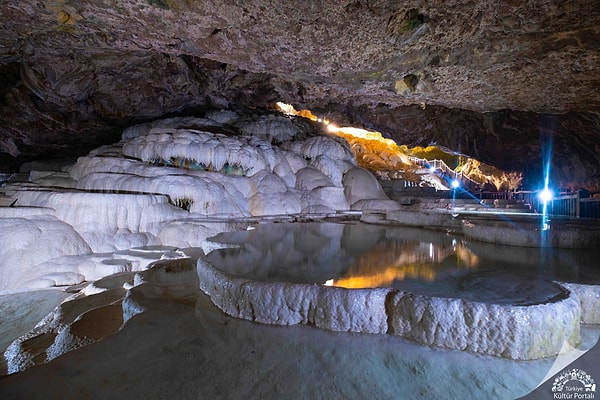
Kaklik Cave, located in the Honaz district of Denizli, is recognized as the only 'thermal cave' in Turkey. It is home to a natural spring that flows at a temperature of 30 degrees, and the lime left behind by this thermal water has resulted in the formation of giant travertines. One could think of it as an underground version of Pamukkale. The 190-meter-long cave was opened to tourism in 1990. It's widely believed among the local population that the cave is beneficial for rheumatic diseases and skin problems. The humidity inside the cave is around 85%, while the content of carbon dioxide and sulfur is limited. Particularly during the winter months, the collision of cold air with the warm thermal water creates a cloud of steam, offering a visual feast.
Keşfet ile ziyaret ettiğin tüm kategorileri tek akışta gör!
 Test
Test
 Gündem
 Magazin
 Video
Video



Send Comment