


Richer Than Gold and Oil: Massive Natural Treasure Lies Beneath the Ocean


A new study has put a price tag on the benefits oyster reefs provide to nature, from filtering water to protecting coastlines. The findings point to trillions of dollars in potential value. Yet an estimated 85% of the world’s oyster reefs have disappeared over the past century.
Here are the details...


Researchers measured reefs’ contributions to nature using a metric they called “gross ecosystem product.”
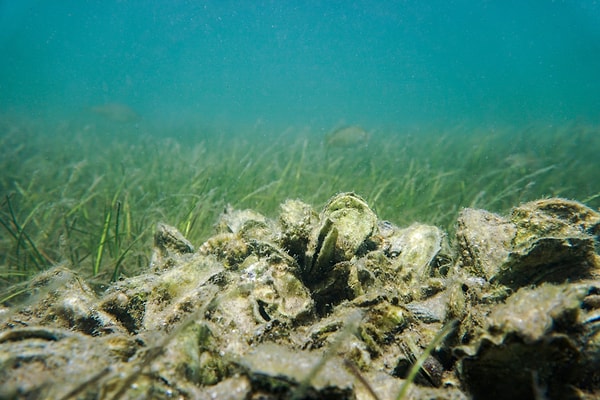
A study by Yuhan Wu and Matteo Convertino of Tsinghua University in China was published in Frontiers in Marine Science on October 7. Described as nature’s equivalent of gross domestic product, this measure captures a range of ecosystem services, including food production, water filtration, coastal protection, and carbon storage. Oyster reefs also provide food, shelter, and nursery grounds for many fish and invertebrates.
The researchers used a machine-learning algorithm to analyze thousands of oyster reef records from two open-access databases. This allowed them to identify coastal areas around the world where oyster reefs could thrive.
The United States, China, Japan, France, and Germany are also among the 10 countries with the greatest potential.
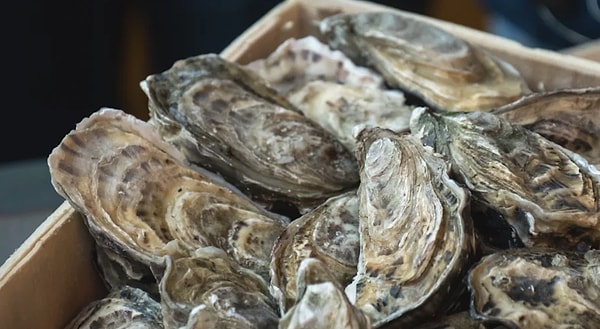
The remaining countries on the list are Australia, Chile, South Korea, Argentina and Italy. Across these countries, around 295,000 square kilometers—6% of their coastal areas—were found to be suitable for oyster reefs.
Yet known oyster reefs are found in just 10% of this suitable area, and only 23% lies within a marine protected area. The staggering estimate is based on a scenario in which reefs across all 10 countries are fully restored.
According to researchers, today’s oyster reefs fall far short of their potential.
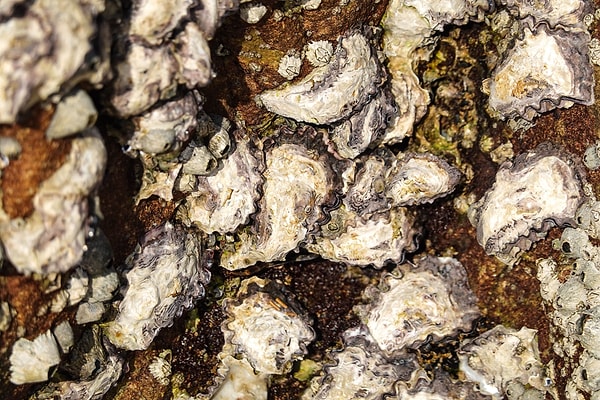
Convertino said that 90% of suitable sites would need to be restored, while 80% would need to be protected. Today, oyster reefs face mounting pressure from overfishing, pollution and climate change. He added that this figure is expected to fall over time as global warming degrades reef habitats more broadly.
The researchers stressed that their findings are estimates based on global averages. The paper notes that the figures represent neither annual income nor guaranteed returns, and do not include restoration costs.
Keşfet ile ziyaret ettiğin tüm kategorileri tek akışta gör!
 Test
Test
 Gündem
 Magazin
 Video
Video



Send Comment