


Major Ocean Cleanup Begins: Decades-Old Toxic Wooden Piles Removed One by One


Along the shores of the Salish Sea in Washington State, the creosote-coated piles of an old pier, which have stood undecayed for decades, were meticulously dismantled by crews. It was revealed that the carcinogenic chemical, used to protect the wood from insects and decay, had been seeping into the sea, poisoning herring, salmon, and orcas.

The remnants of an old sand and gravel dock that has stood for years on the protected shores of the Salish Sea, nestled between Washington state and British Columbia, have become the stage for a major environmental operation.
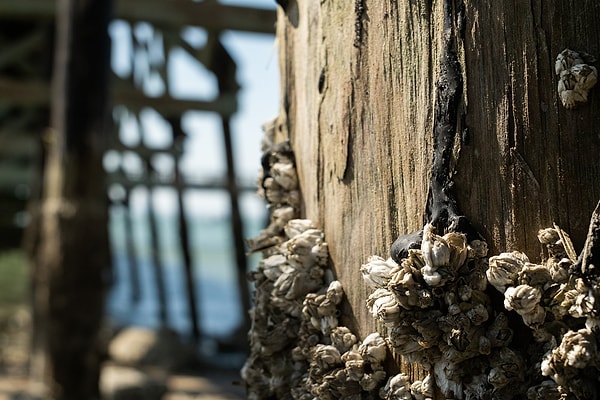
Teams have successfully extracted over 100 giant wooden piles from the sea, which have remained undamaged underwater for decades. It was discovered that the reason these logs hadn't decayed over the years was due to an urban and chemical disaster that has been slowly poisoning marine life.
Under normal circumstances, wooden materials left in saltwater are expected to be decomposed by fungi and insects within a few years. However, these piles have been standing strong for decades. The reason behind this was that the wood was subjected to pressure and coated with a coal tar distillate known as 'creosote'.
However, over time, this protective substance that keeps the wood alive began to leak "polycyclic aromatic hydrocarbons" into the water.
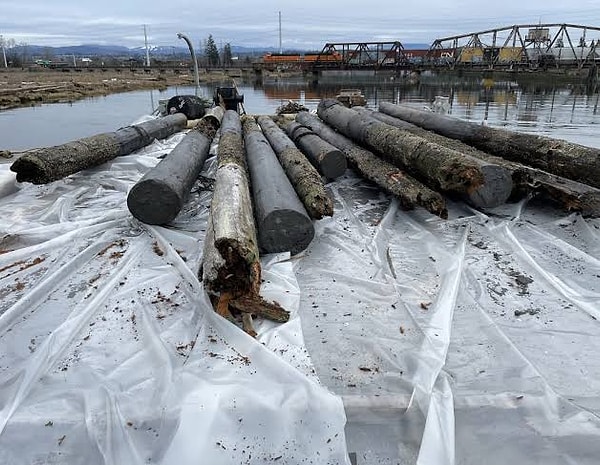
Without any accidents or spills, these toxic substances released into the environment as the material works, attached directly to the sediments on the sea floor without dissolving. The shallow and sheltered bay where the chemical leakage occurred holds critical importance for the ecological chain of the region. The seagrass meadows and pebbly shores right next to the piles serve as the main spawning area for herring, a type of forage fish.
According to research conducted by government officials, high mortality rates were detected in herring eggs exposed to creosote. It was determined that the immune systems of salmon carrying toxic compounds collapsed and their growth slowed. This chain disaster directly affects the killer whale (orca) population, which is federally endangered and feeds on salmon.
Since 2004, over 14,400 creosote piles and more than 21,300 tons of treated wood have been removed from the sea across the state.
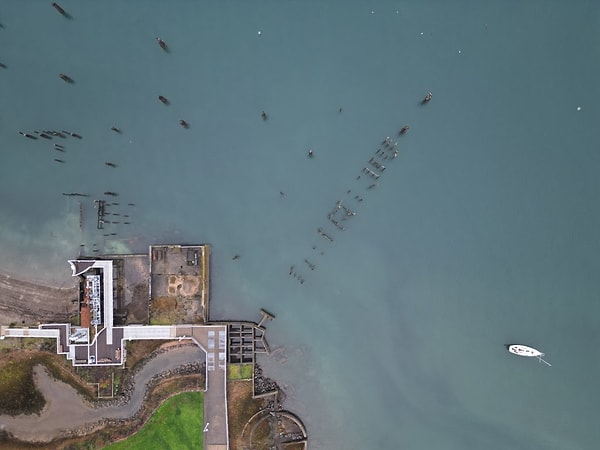
However, thousands of toxic stakes still remain in the villages, awaiting removal.
Despite teams managing to extract these stakes and thereby eliminating the main source of pollution, the debate continues over whether the old sediments that have settled on the seabed, along with the stone armors placed to prevent coastal erosion, are damaging the spawning grounds of fish.
Keşfet ile ziyaret ettiğin tüm kategorileri tek akışta gör!
 Test
Test
 Gündem
 Magazin
 Video
Video



Send Comment