


From Waste to Wonder: How Bread Scraps Are Used to Make Medicine and Plastics


Scientists from the University of Edinburgh have pioneered a groundbreaking method that could put an end to the use of fossil fuels in the 'hydrogenation' reaction, one of the cornerstones of the modern chemical industry. By feeding bacteria with sugars derived from stale bread in the lab, they managed to make the production of a wide range of everyday products, from medicine to plastic, entirely 'carbon negative'.

In a bid to reduce the global industry's reliance on fossil fuels and recycle food waste, a discovery that has stirred excitement in the medical and chemical world has been made.
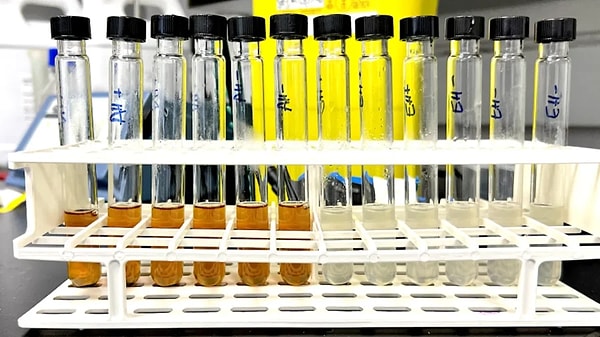
Researchers from the School of Biological Sciences at the University of Edinburgh in Scotland have discovered a single-step microbial formula that transforms stale bread, one of the largest waste items from bakeries and homes, into raw material for the production of medicines, plastics, vaccines, and fine chemicals. This study, published in the prestigious Nature Chemistry journal, paves the way for a green revolution in the industry.
The reaction known as "hydrogenation" forms the backbone of modern chemical production, the pharmaceutical industry, and food processing (such as converting liquid oils into solid fats).
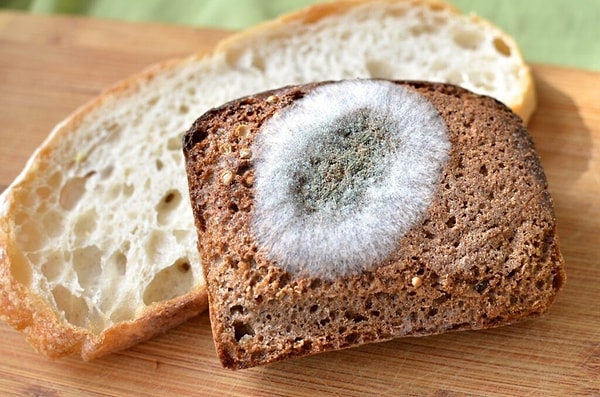
However, this process is currently almost entirely dependent on hydrogen gas derived from fossil fuels. Moreover, this traditional method leads to a terrifying level of energy consumption, as it requires temperatures of hundreds of degrees and a pressure as intense as the deepest points of the ocean.
Scientists at the Wallace Laboratory at the University of Edinburgh, on the other hand, have completely handed this challenging process over to nature. In the newly developed method, the process works as follows:
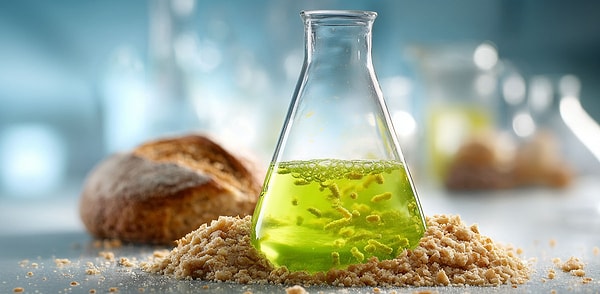
E. coli, a common laboratory bacterium, is fed with sugars derived from stale bread crumbs.
These bacteria, grown in an oxygen-free environment, naturally begin to produce hydrogen gas within their bodies.
When a small amount of palladium catalyst and the target chemical substance are added to the same closed bottle, the hydrogen produced by the bacteria is enough to start the reaction.
This colossal chemical process is completed as easily as pie, without the need for any external fossil fuels, at a temperature close to room temperature, all within a single closed bottle.
Detailed analyses have revealed that the system operates in a "carbon negative" manner when waste bread is utilized as the initial material.
By curbing the use of fossil-based hydrogen and preventing tons of food waste from ending up in landfills, producing methane gas, this system eliminates far more greenhouse gases than it emits.
Professor Stephen Wallace, Chair of Chemical Biotechnology at the University of Edinburgh and the lead figure of the project, summarizes the discovery as follows:
'Hydrogenation forms the backbone of much of modern production, yet it still relies almost entirely on fossil fuels. What we've demonstrated is that living cells can directly provide this hydrogen by using waste as raw material, and they can actually do this in a carbon negative way. This approach is not limited to food chemistry alone; it's also utilized in pharmaceuticals, fine chemicals, and materials. Being able to conduct these reactions using microbial hydrogen opens up new possibilities for large-scale sustainable production.'
Dr. Susan Bodie, Director of Innovation Development and Licensing at Edinburgh Innovations, also underscored that this technique would pave the way for a green revolution in industrial production across the UK and globally. She extended an invitation to global companies interested in transforming this sustainable biotechnology into commercial activity to collaborate with them.
The research team at the University of Edinburgh, which aims to be completely carbon neutral by 2040, is planning to take things a step further by developing new microbial hosts that will completely eliminate the need for metallic catalysts. Moreover, they intend to spread this eco-friendly method to a much broader range of products used in everyday life.
Keşfet ile ziyaret ettiğin tüm kategorileri tek akışta gör!
 Test
Test
 Gündem
 Magazin
 Video
Video



Send Comment