


Empty Your Fridge Tonight: Common Foods That Are Rotting Inside Your Refrigerator


Our first instinct to keep many foods fresh is often to place them in the refrigerator. However, experts caution that not knowing the correct methods of food storage can not only be detrimental to your pocket, but it can also destroy the flavor and nutritional value of the food.
Here are the foods that you should not even let pass through the door of your refrigerator...

One of the cardinal rules in the kitchen is understanding that every ingredient has its own unique living space.
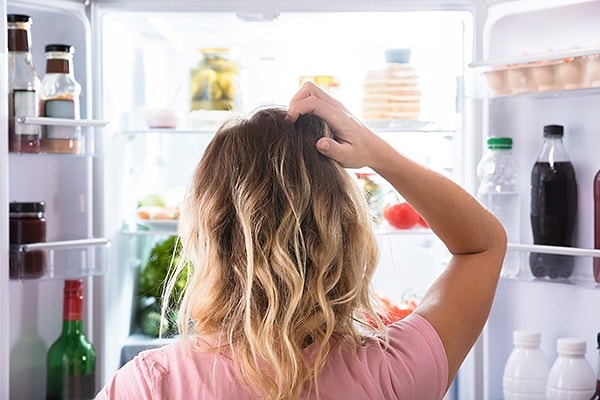
A refrigerator is not always a savior for every food item; on the contrary, it can be a flavor foe for certain edibles.
Before storing any product, it is imperative to thoroughly examine the instructions on the packaging.
1. Tomato
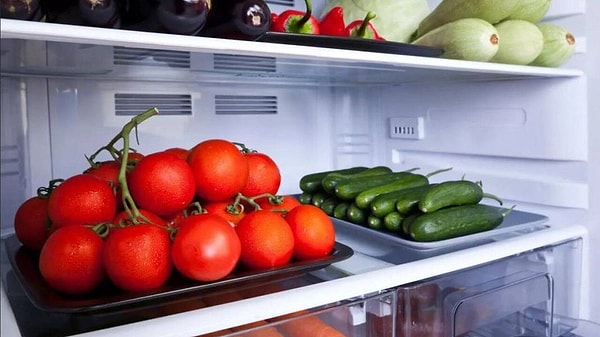
Never ever stash your tomatoes in the fridge. The cold air halts the ripening process of tomatoes and annihilates their taste. Instead, store them at room temperature.
2. Potato
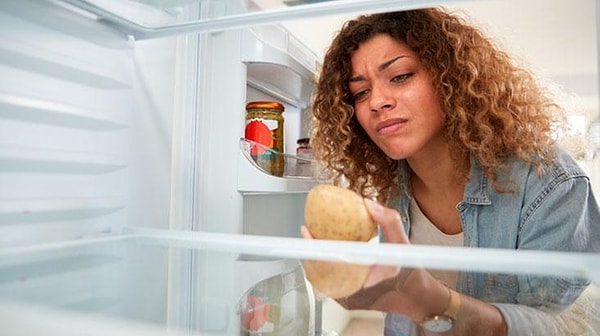
The humidity in the refrigerator can cause potatoes to develop a rough and overly sweet texture. To preserve their texture and flavor, it's best to store them at room temperature in a breathable paper bag.
3. Onion
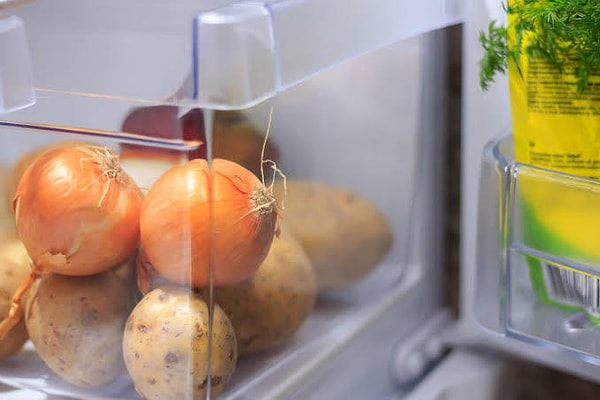
Excessive humidity in the refrigerator leads to rapid molding of onions. It's essential to store your onions in a cool, dry place, and importantly, away from potatoes.
4. Cucumber
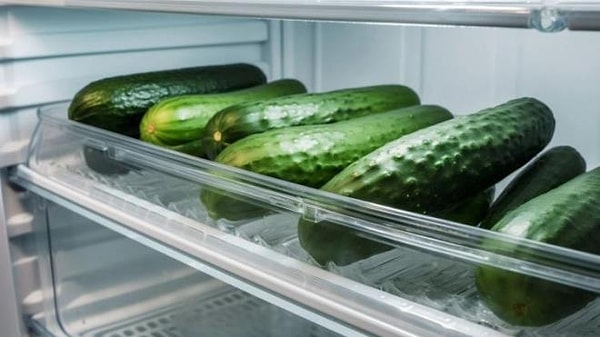
Storing cucumbers in the fridge can lead to them becoming waterlogged and developing dimples on their surface. The optimal approach is to keep them on the countertop or in an airtight container in the pantry.
5. Bell Peppers for Stuffing
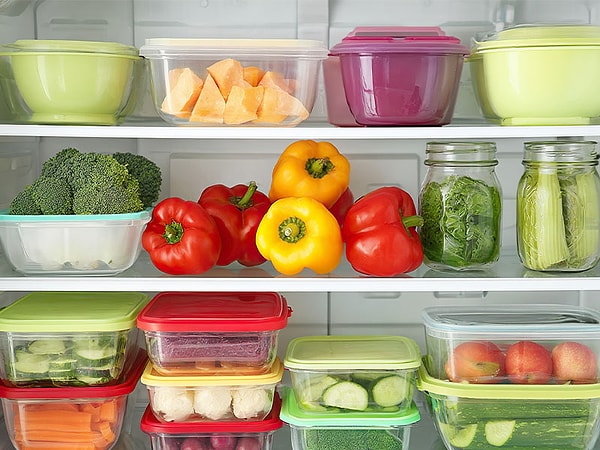
If you want to maintain the crisp texture of peppers, it's best to store them at room temperature. Refrigeration tends to soften their outer surfaces.
6. Garlic
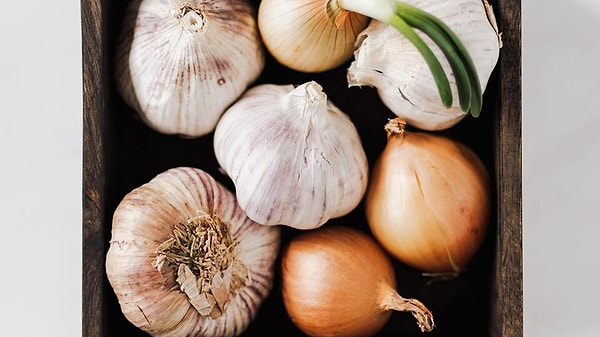
Storing garlic in the refrigerator negatively impacts its structure and the texture of its cloves. It's best to keep your garlic bulbs in a cool, dry pantry, away from the cooking area.
7. Banana
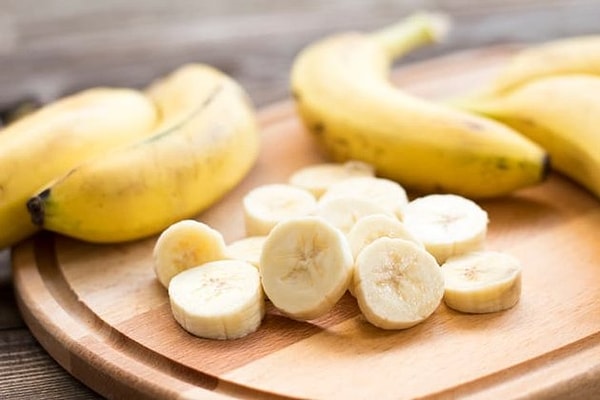
To prevent premature darkening, store your bananas on an open countertop, in a pantry, or on a specialized banana hanger.
8. Bread

Bread tends to dry out and become stale when stored in the refrigerator. It's best to leave it at room temperature if you're planning to consume it within the day. For longer storage, consider using a bread box or paper bag, or you can freeze it directly. When you're ready to eat, toasting the bread can help restore its original moisture.
9. Coffee
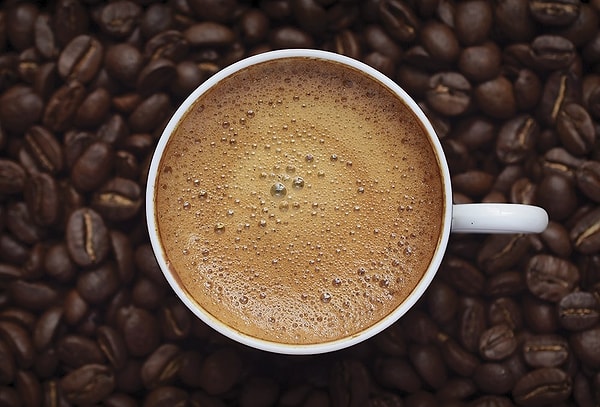
Coffee beans or ground coffee act like a sponge, absorbing the moisture and odors in your refrigerator. To retain that enchanting aroma, store your coffee at room temperature in an airtight container.
10. Chocolate

When chocolate is left in the fridge for an extended period, it develops a white layer, turns grainy, and loses its flavor. The most suitable place for chocolate is a cool, dry location that isn't directly exposed to sunlight.
Honey

If you place honey in the refrigerator, it will crystallize, harden, and clump together. To maintain its smooth and fluid consistency, room temperature is sufficient.
Keşfet ile ziyaret ettiğin tüm kategorileri tek akışta gör!
 Test
Test
 Gündem
 Magazin
 Video
Video



Send Comment