


Bad News for Kitchens: Plastic Kettles Release Billions of Microplastics into Hot Drinks


Did you know that as you sip your morning coffee or tea, you could actually be swallowing billions of plastic particles? Scientists and medical experts are issuing serious warnings about plastic kettles, stating: 'Heat and plastic should never mix.'

Electric water heaters are among the most commonly used appliances for quickly obtaining hot water at home or in the office.
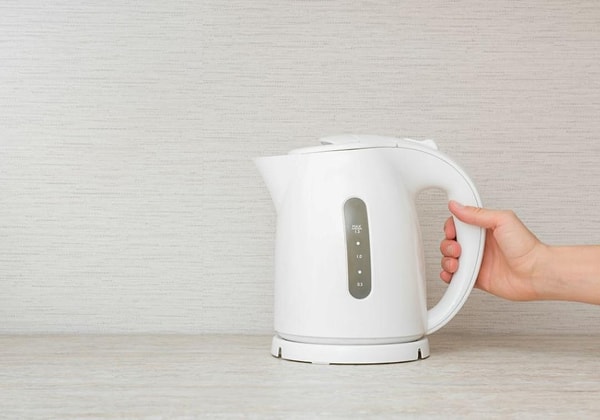
However, recent scientific studies have unveiled that water heaters containing plastic components are leaking a staggering amount of microplastics and nanoplastics into the water we drink. Experts are in agreement that this situation is escalating our daily exposure to plastics to alarming levels.
A current research published in the npj Emerging Contaminants journal, along with the work of scientists from Trinity College Dublin and the University of Queensland, brings the magnitude of the danger into sharp focus.
According to a study conducted by Dr. Elvis Okoffo from the Environmental Health Sciences Union at the University of Queensland:
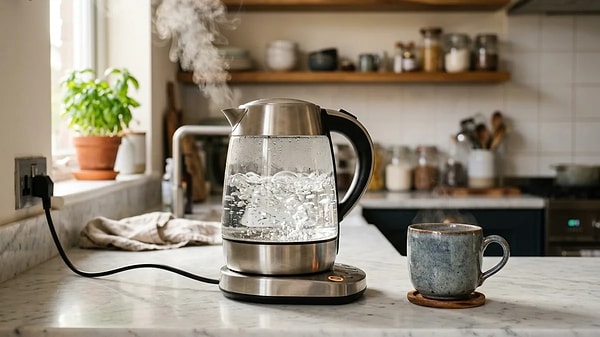
In the initial boiling of a newly purchased plastic kettle, approximately 12 million nanoparticles are released per milliliter. This implies that we ingest about 3 billion micro/nanoplastic particles in a single 250 ml cup of tea.
Even as the kettle ages and the emission decreases, it never completely ceases. Even after boiling 150 times, a single cup of water still contains a staggering 205 million nanoparticles.
Family Physician Dr. Joseph Mercola is also drawing attention to the dangers of plastic kitchen products containing polypropylene (PP).
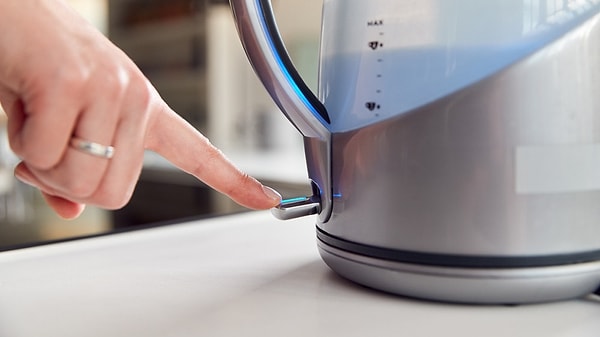
In the conducted tests, it has been discovered that as the water temperature escalates from 25 °C to 95 °C, the number of harmful particles transitioning from plastic to water skyrockets from 0.6 million per liter to a staggering 55 million. Considering that the sole purpose of water heaters is to bring water to these temperatures, it becomes evident how persistent this risk truly is.
Another interesting detail emerged from the research: The minerals (lime) present in hard tap water gradually form a protective film layer within the plastic heater, which considerably reduces plastic leaching by more than 89%.
However, experts caution that this should not be interpreted as a "green light."
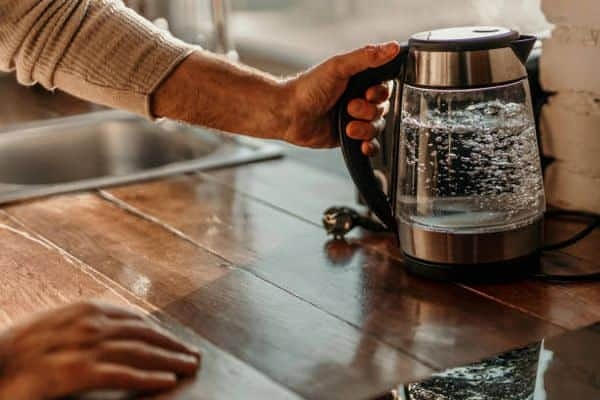
Even if the quantity of harmful chemicals is reduced with lime, it's not possible to eliminate plastics merely by boiling them; trace amounts of toxic substances persist in the water. Although the long-term damages of microplastics on the human body haven't been fully mapped out yet, experts remind us of the principle 'it's better to be safe than sorry'. The solution, however, is rather straightforward: Remove plastic water heaters from your home.
What Are the Safe Alternatives?
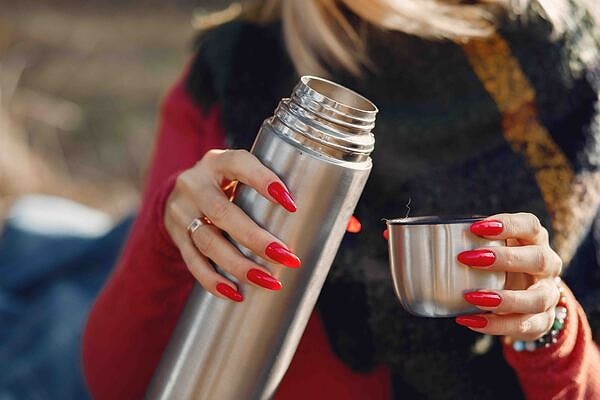
Stainless Steel: It is chemically neutral. It does not react with water or heat, does not release harmful substances into water, and does not spoil the taste of water. Moreover, it retains heat for a longer period.
Glass and Ceramic: These are the two healthiest alternatives that do not interact with heat. Heating water in glass or ceramic containers and consuming it in the same type of mugs is the safest route.
Important Warning: Dr. Mercola emphasizes not only the risks associated with water heaters, but also the same risks carried by plastic travel mugs (thermoses) used for hot coffee and tea. He strongly advises against their use.
Keşfet ile ziyaret ettiğin tüm kategorileri tek akışta gör!
 Test
Test
 Gündem
 Magazin
 Video
Video



Send Comment