


Bubble Wrap Was Not Invented for Packaging: The Secret History of a Failed Wallpaper


Did you know that the infamous bubble wrap, which we delight in popping as our first order of business when opening parcel packages, was originally designed to be a wallpaper to adorn our homes? A failed home decoration venture by two engineers transformed into a colossal packaging revolution, thanks to IBM computers, that could encircle the globe ten times over.

The bubble wrap we use to protect fragile items in our daily lives, which is incredibly fun to pop, didn't actually originate from the needs of the modern packaging industry.

This extraordinary story, which made its way into the records of Stevens Institute of Technology and Harvard Business School in America, began in a machine shop in New Jersey in 1957.
Engineers Alfred Fielding and Marc Chavannes were working on what was considered a wild interior design concept for the time: a three-dimensional, textured wallpaper. The duo managed to trap air bubbles between the layers while laminating two plastic shower curtains together. The resulting object boasted a fantastic 3D appearance, but the consumers of the era were not at all keen on the idea of seeing plastic bubbles on the walls of their homes. The design ended in a complete fiasco.
Undeterred, the inventors forged ahead and in 1960, they established the Sealed Air Corporation. This time, they attempted to market this material as a "greenhouse insulation material" to keep greenhouses warm.
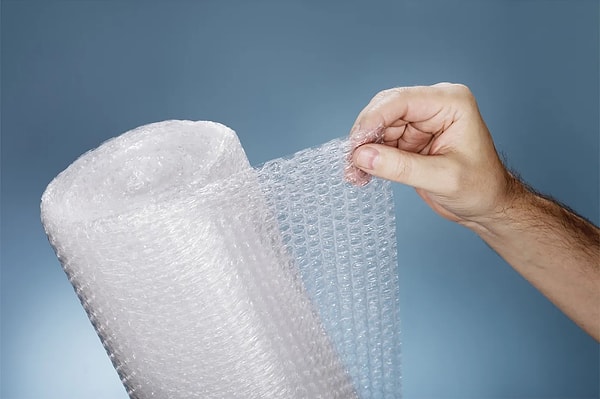
However, this idea also commercially tanked. The wallpaper and greenhouse concepts had been unsuccessful, but there was an extraordinary mechanical force trapped within the material. According to articles published in the medical and scientific journal PubMed, these gas-filled pockets had a tremendous shock-absorbing and lightweight cushioning feature, far beyond being merely decorative. The material was flexible, inexpensive, lightweight, and perfectly distributed the load placed upon it.
Rather than focusing on the design itself, Fielding and Chavannes completely shifted their attention, recognizing the potential of the air pockets within: The material would no longer be used to adorn walls, but rather to protect fragile items.
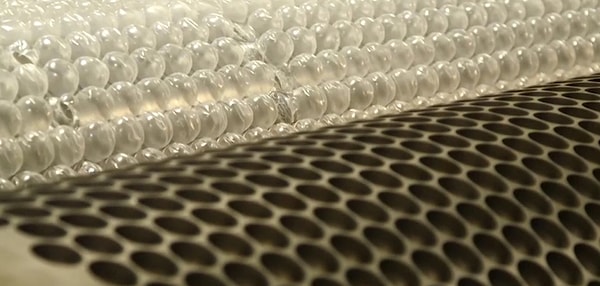
Although the product was initially named 'Air Cap,' it later adopted the more memorable moniker of 'Bubble Wrap.' The pivotal moment that transformed Bubble Wrap into a global essential came when the technology giant IBM knocked on their door. At that time, IBM was in search of a dependable packaging material to safely deliver their first major business computer, the 'IBM 1401,' to customers. Bubble Wrap proved to be the perfect fit for transporting these delicate and easily breakable colossal computer components.
With IBM becoming its first major client, bubble wrap emerged as the top protector in the world of shipping.
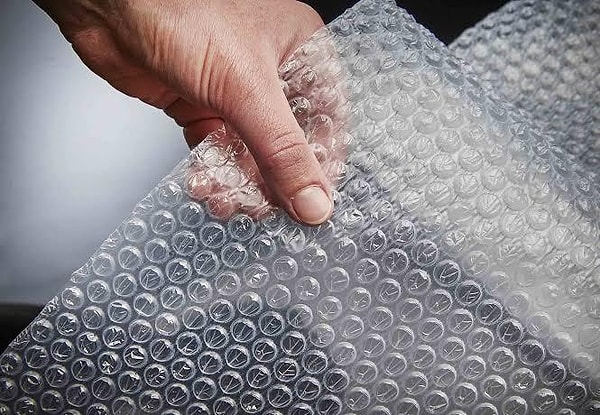
This inspiring tale of bubble wrap actually imparts a significant lesson to the business world: The initial failure of many inventions is not due to their uselessness, but rather their misguided application. The engineers' persistence in recognizing the 'potential in their failures' has given birth to a multi-billion dollar industry and one of the most enjoyable stress relievers in our lives today. By reframing their failures, they were able to uncover an unexpected success. This story serves as a reminder that sometimes, the key to success lies in looking at things from a different perspective.
Keşfet ile ziyaret ettiğin tüm kategorileri tek akışta gör!
 Test
Test
 Gündem
 Magazin
 Video
Video



Send Comment