


Why Is Air Conditioning So Uncommon in Europe?


Even though heatwaves are becoming increasingly frequent during the summer months in Europe, many homes still lack air conditioning. Particularly in Germany and Northern European countries, air conditioning is not as widespread as it is in the US or Asia. The reason for this is not just a lack of perceived need; factors such as old buildings, energy costs, environmental concerns, and cultural habits also play a role.

Homes in Europe were not designed to accommodate hot weather.
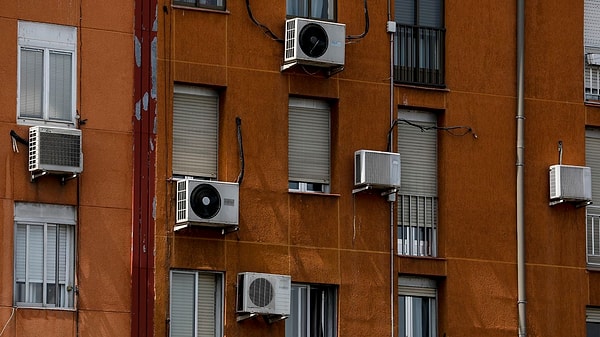
Numerous buildings across Europe boast historical architecture. This is especially true in the heart of historic cities, where mounting an air conditioning unit on the exterior can present both technical and legal hurdles. In multi-family dwellings, it might be necessary to secure permission for an external unit, while in heritage buildings, the installation of air conditioning systems can be curtailed due to worries over compromising the visual appeal.
Moreover, a significant number of residences lack the necessary infrastructure for the installation of a centralized air conditioning system. Central ventilation and air conditioning systems, which are a common sight in Turkey, are not as prevalent in Europe. This makes the subsequent addition of air conditioning a more arduous and expensive endeavor.
The issue of energy costs also comes into play. Operating an air conditioner escalates electricity consumption, prompting many individuals to steer clear of the extra financial load and the environmental footprint of increased energy use. Consequently, more conventional cooling methods are favored in Europe, such as drawing the shutters, airing out the house in the early morning, employing fans, and utilizing shaded areas.
Heatwaves are altering habits.

However, with the advent of climate change, heatwaves in Europe have started to occur earlier, last longer, and become more severe. This has reignited the debate on whether air conditioning is an unnecessary luxury or a necessary health requirement.
Particularly for vulnerable groups such as the elderly, children, those with chronic diseases, and those sensitive to heat, extreme temperatures can pose a serious risk. Therefore, some experts argue that the need for cooling systems in hospitals, care homes, schools, and communal living spaces should be given more consideration.
Nevertheless, in Europe, the matter of air conditioning is not merely viewed as a comfort issue.
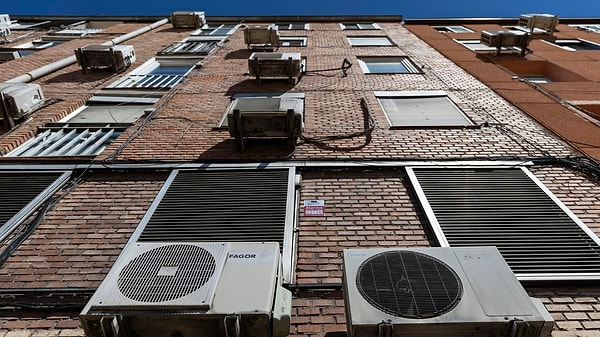
On one hand, there are those who believe that the use of air conditioning should become more widespread in response to increasing temperatures. On the other hand, there are those who argue that air conditioning will increase energy consumption, heat up cities even more, and potentially exacerbate the climate crisis.
Therefore, the air conditioning issue in Europe is not just about asking 'why isn't it more prevalent?'. The real debate revolves around how the continent will adapt to changing climate conditions. Renovating old buildings, increasing shading systems, making cities greener, and using more efficient cooling systems where necessary are at the heart of this discussion.
Keşfet ile ziyaret ettiğin tüm kategorileri tek akışta gör!
 Test
Test
 Gündem
 Magazin
 Video
Video



Send Comment