


A Single Drop Changed Her Life: The Tragic Fate of Chemist Karen Wetterhahn That Shocked Science


Just a few drops splashed onto her in the laboratory changed the life of American chemist Karen Wetterhahn. Wetterhahn removed her gloves and washed her hands. What happened at that moment seemed like a minor laboratory accident, but an irreversible process had already begun. Moreover, she was following the standard safety precautions of the time.
Here is the historical accident that completely changed the safety measures in the science world and the life of Karen Wetterhahn.

Reached Your Skin in Seconds
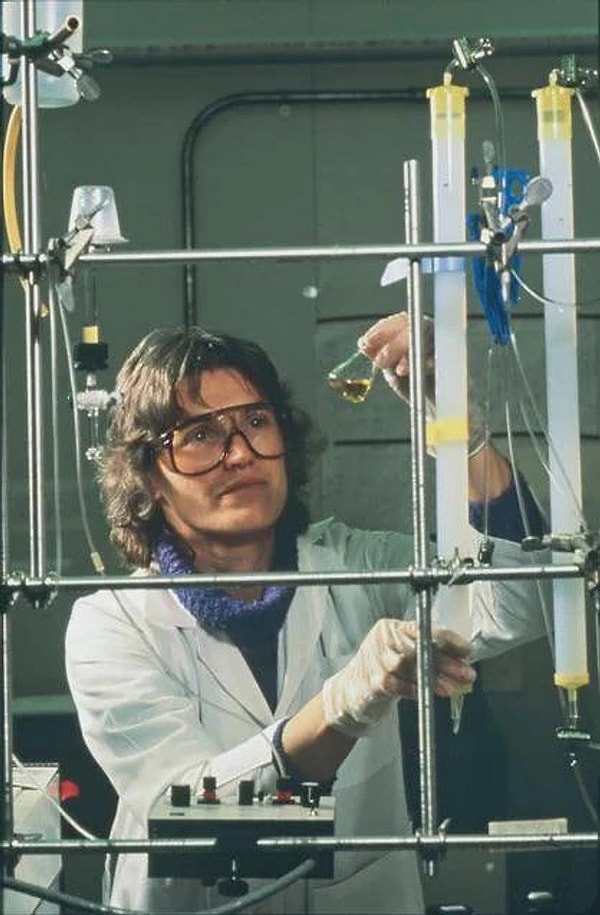
On August 14, 1996, 48-year-old Karen Wetterhahn, working at Dartmouth College, was researching the effects of toxic metals on human health. That day, a few drops of dimethylmercury she was using during her work in the lab splashed onto her glove.
The substance Wetterhahn was using was not an ordinary laboratory chemical. Dimethylmercury was an extremely volatile and toxic organic mercury compound. Moreover, Wetterhahn was using protective equipment considered standard in laboratories at that time while working with this substance.
However, research conducted after the accident would reveal the real danger. Because dimethylmercury could pass through latex gloves in less than 20 seconds. In some tests, this time was seen to be less than 15 seconds. In other words, the gloves were not as strong a barrier as Wetterhahn thought.
The Poisoning Did Not Reveal Itself For Months
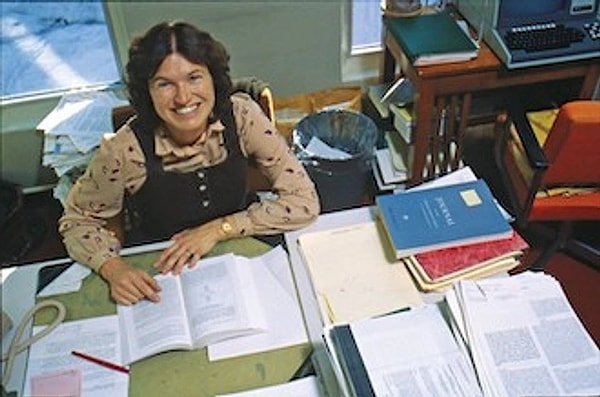
No serious symptoms appeared immediately after the accident. Wetterhahn continued her work and there seemed to be no unusual situation at first glance.
However, about two months later, she began to experience weight loss, nausea, and various digestive system complaints. These symptoms did not seem to be related to the incident in the laboratory.
As the months went by, the picture changed. About five months later, Wetterhahn's balance began to deteriorate. She was bumping into doors while walking, having difficulty speaking and was unable to pronounce words correctly. Vision and hearing problems also emerged in a short time.
She Learned the Truth in the Hospital
Tests performed on Wetterhahn, who was hospitalized on January 20, 1997, revealed the cause of her illness. The mercury level in her blood had reached 4,000 micrograms/liter. The level of mercury in her urine had also significantly increased.
Dimethylmercury can transform into methylmercury in the body and can cause severe damage in the central nervous system by crossing the blood-brain barrier. Despite treatment, Wetterhahn's neurological condition rapidly worsened. She fell into a coma in February.
His Last Message to the World of Science: He Fought for His Colleagues!

As Wetterhahn's condition became irreversible, she did not want the incident she experienced to be limited to her own life.
While in the hospital, she requested her colleagues to be checked and the events to be communicated to the scientific world. Thus, she aimed to turn what happened to her into an important warning to prevent it from happening to other researchers.
She lost her life on June 8, 1997, about 10 months after the accident.
A Laboratory Accident Changed Safety Rules
Investigations after Wetterhahn's death revealed a critical fact in terms of laboratory safety: Just because a glove is protective, it doesn't mean it will provide protection against every chemical.
With the understanding that dimethylmercury could pass through latex gloves extremely quickly, the importance of selecting protective equipment to be used while working with highly toxic chemicals according to the specific permeability properties of the chemical emerged.
While the use of more durable barrier gloves was recommended, the preference for safer alternatives instead of dimethylmercury was brought up in possible situations.
Today, Karen Wetterhahn's story is recalled as one of the most striking examples of laboratory safety.
Keşfet ile ziyaret ettiğin tüm kategorileri tek akışta gör!
 Test
Test
 Gündem
 Magazin
 Video
Video
Read More







Send Comment