


Ultimate Guide to Best Pizzerias and Pizza Spots in Istanbul


When one thinks of pizza in Istanbul, it's not just chain restaurants that come to mind anymore, but also boutique establishments that stand out with their unique dough techniques and signature recipes. Venues like Nappo Pizza, Pizzeria Il Pellicano, Miss Pizza, 400 Degrees, and Osteria Salvatore offer a range of flavors from Neapolitan pizza to thin crust options, making a name for themselves on the city's gastronomic map. Here are the best pizzerias in Istanbul and what to eat at each one.


How to Choose the Best Pizzeria in Istanbul? - 2026
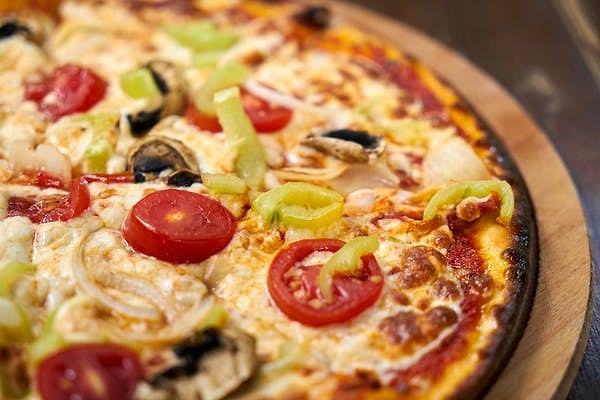
The criteria defining the ideal pizza experience in modern metropolises have surpassed traditional consumer expectations, now resting on complex variables such as the microbiological processes of the dough, the protein value of the flour used, the thermodynamic structure of the oven, the supply chain of the ingredients, and the spatial atmosphere provided by the restaurant. In Istanbul, discerning consumers, when evaluating a pizzeria in 2026, no longer focus solely on the quantity of toppings, but also on the digestibility of the dough, the quality of the gluten structure, the authenticity of the cooking technique, and the sustainability vision of the establishment. In this context, understanding the fundamental building blocks of pizza and their physical manifestations in Istanbul's gastronomy is of critical importance.
Pizza Styles by Dough Type: Napoli, New York, Thin Crust
The dough is the most vital element that determines the anatomical foundation, structural integrity, and overall character of a pizza. Visionary pizzaiolos in Istanbul have chosen to specialize in certain dough styles, in line with global gastronomy trends and local palates. The fundamental differences between dough styles stem from the water content (hydration), fermentation time and technique (room temperature or cold fermentation), the ash and protein value of the flour used, and dough stretching techniques.
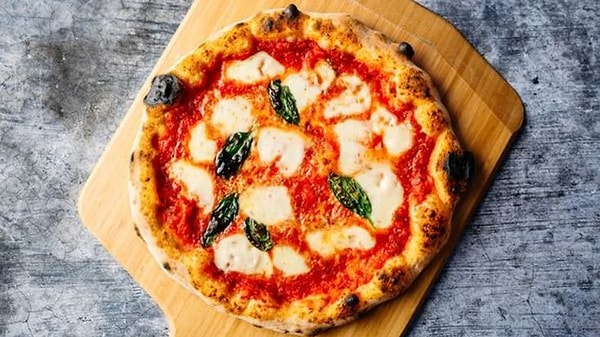
Napoli style pizza is experiencing a golden age in Istanbul as a result of the artisanal kitchen movement that has risen over the last decade. Traditional Napoli pizza is characterized by its puffy, air bubble-filled, slightly burnt (leopard patterned cornicione) edges and thin, soft, and flexible base, which is achieved by cooking at extremely high temperatures for a very short time (usually between 400°C and 480°C for 60 to 90 seconds). This dough is typically prepared using '00' type high-quality, extremely finely ground, high-protein wheat flour, and the water content varies between 65% and 75%. This high hydration and long-term cold fermentation (between 24 and 72 hours) facilitate the breakdown of complex starches in the dough into simple sugars, strengthening the gluten network. This microbiological process results in a final product that is extremely easy to digest without causing bloating in the stomach. Nappo Pizza, the only institution in Turkey officially certified by the Naples-based 'True Neapolitan Pizza Association' (Associazione Verace Pizza Napoletana - AVPN), is at the forefront of establishments in Istanbul offering this authenticity at the highest level and with academic discipline. Strict adherence to AVPN standards necessitates the use of ingredients such as San Marzano tomatoes and specific Italian flours imported from Italy, the hand stretching of the dough, and cooking in a wood-fired oven within a certain number of seconds. Nappo, which operates in Levent Kanyon Mall and Beyoğlu Tersane, champions the Napoli school in Istanbul by uncompromisingly implementing these strict rules. Pizzeria Il Pellicano in Kadıköy Moda, which maintains a similar Napoli discipline on the Anatolian side, introduces Istanbulites to extremely specific and authentic subcategories such as 'Fritta', a deep-fried Napoli dough filled with ricotta cheese, while offering traditional Margherita and Formaggi classics under the management of its Napoli-born chefs.
On the other hand, New York style and Thin Crust pizzas offer a completely different textural experience and consumption ritual. New York style is a result of Italian immigrants adapting to different oven technologies and flour structures in America, characterized by a lower hydration ratio, hand-stretched to massive sizes, and typically consumed folded in hand. The dough may contain a bit of olive oil or sugar; these additions provide foldability to the dough while helping the base stay crispy. Establishments in Istanbul that implement the classic Italian thin crust tradition in a refined and crispy form focus on the dough's light, brittle, and crunchy texture that doesn't weigh heavy on the stomach. Miss Pizza, which has been serving in Cihangir since 2004 and is a milestone in the region's culinary culture, is one of the most successful and rooted representatives of this thin crust trend. 'Pizza Pesto', one of the signature flavors of the venue, prepared by adding rich pesto sauce and zucchini slices on thinly stretched dough, flawlessly exhibits the anatomy of this school with its lightness and crispiness. Also, Pizza Funghi, which is on Miss Pizza's menu, consisting of a combination of chestnut mushrooms marinated in truffle oil, porcini mushrooms, gorgonzola, and mozzarella cheese, pushes the limits of intense flavor profiles that thin dough can carry. Located in the Armutlu region of Sarıyer, Imperia Ristorante has adopted the sourdough tradition, stretching the classic Napoli standards; they have created a hybrid, crispy yet deep fermented profile with a unique thin and edgeless form of dough.
Oven Type: Wood Fire or Stone Oven? Is There a Taste Difference?
Just as important as the formulation of the dough is the thermodynamic conditions under which that dough is cooked, which directly affect the final taste, texture, and visual aesthetics of the pizza. High-end pizza restaurants in Istanbul predominantly use traditional wood-fired ovens (forno a legna) or high-tech modern stone-based electric/natural gas ovens, depending on their kitchen concepts, the specific flavor profile they aim for, and physical space limitations. The answer to the frequently asked question by consumers, 'Is there a taste difference?' lies in the chemistry of heat transfer mechanisms and micro-particles in the oven atmosphere penetrating the dough.
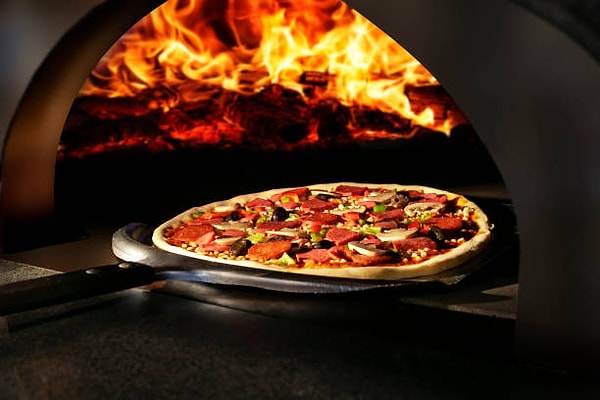
Wood-fired ovens are a marvel of engineering thousands of years in the making. Thanks to its dome-shaped architecture, it applies radiant, convective, and conductive heat simultaneously and with perfect thermal balance to the dough. The oven base is usually made of volcanic tuff stone (biscotto di Sorrento) or high-resistance refractory brick, which holds heat perfectly. This base initiates a shock conductive heat transfer as soon as it comes into contact with the dough surface, creating the famous crispiness and localized micro-burns known as leopard pattern on the bottom of the pizza. At the same time, the intense convective heat radiated by the flames circulating in a dome shape quickly cooks the ingredients on top of the pizza and ensures the mozzarella melts perfectly without drying out or separating the oil. The most dramatic taste difference provided by wood fire is the chemical reaction between the smoke emitted from burning hard trees such as oak, beech, olive, or hornbeam in the combustion chamber and the oil of the cheese and the moisture of the tomato sauce. This micro-interaction gives the pizza a slightly smoked (smoky), rustic, wild, and extremely deep woody character. Ferida, which stands out in Suadiye with its Balkan brasserie concept, is one of the venues that utilize this primitive yet refined taste advantage to the fullest by baking its Bosnian dried meat and truffle mushroom pizzas in a traditional wood oven. 400 Degrees, one of the elite spots in Şişli Teşvikiye, rated five out of five stars, reflects the power of fire in its brand identity by taking its name from this optimum temperature reached by wood fire. Similarly, Trattoria da Rosario, creating an illusion of an Italian boutique restaurant in Kadıköy Koşuyolu, offers the thermal advantages of wood fire to its guests with its traditional oven specially imported from Italy.
Modern stone ovens (gas or resistance) have reached tremendous technological levels in terms of heat insulation, thermal stability, and capacity management. Providing a fixed, non-fluctuating, and digitally controllable heat offers a standardization advantage essential for businesses that do intense delivery service or produce Thin Crust / New York style pizza. The lack of wood smoke and soot in these ovens can allow the natural flavor of the ingredients on the pizza (such as a delicate basil pesto or quality olive oil) to remain unmasked and in the foreground. Although modern stone ovens offer satisfactory base crispiness thanks to the cordierite stone at their base, it is difficult for them to reach the sudden high shock heat and flame licking that wood fire provides in just 60 seconds. As a result; the taste and texture difference between oven types is extremely pronounced. Wood fire produces a smoky, slightly burnt, organic, and rustic profile, while modern stone ovens offer an extremely smooth, stable, clean structure that focuses solely on the ingredients on top.
Best Pizzerias in Istanbul: A District-Based Guide - 2026
The vast geographical span of Istanbul, bridging continents, and its deep socio-cultural diversity, has paved the way for each district of the city to develop its own unique and independent gastronomy ecosystem and subculture. The demographic structure of each neighborhood (students, white-collar workers, tourists, expats), its historical texture, income level, and local rhythm of life directly shape the menu architecture, spatial atmosphere, and even the type of flour used by the pizzerias in that area.
Best Pizzerias on the European Side: Beyoğlu, Beşiktaş, Şişli
The European side of Istanbul is a mega-center pulsating with the heritage of the historical peninsula as well as modern commerce, finance, and tourism. The districts of Beyoğlu, Beşiktaş, and Şişli located on this side are like unique demographic laboratories representing three different faces of pizza culture.
- Beyoğlu: History, Bohemian Life, and Levantine Heritage
Beyoğlu, and especially the Galata-Cihangir-Çukurcuma line, is a region that harbors centuries-old historical remnants of Italian, French, and Levantine culture in its streets. This strong historical connection lends a natural authenticity and spirit to the restaurants in the area without any pretense. Miss Pizza, an integral part of the neighborhood culture with its brick oven and warm atmosphere, has been operating in Cihangir since December 2004 and is undoubtedly one of the gastronomic mainstays of the region. The venue, located on Havyar Street, attracts crowds with its thin-crust pizzas and specials like Pizza Pesto, and this success was crowned with a second branch opened in Şişhane in December 2009. Hidden in the narrow streets of the Çukurcuma area of Beyoğlu, 49 Çukurcuma is a bohemian gastronomy temple with its high ceilings, brick and stone walls. This venue, focusing solely on pizza and specific wine pairings, offers rich alternatives for cheese lovers (with Parmigiano and Breasola Rocca specials) with its starters, quality cheeses and charcuterie plates, catering to the intellectual and artistic texture of the neighborhood. For those seeking a historical perspective, the legendary Agatha Restaurant located on Meşrutiyet Street within the Pera Palace Hotel is the first address for those who want to crown their Beyoğlu tour with an elegant, dignified, and luxurious experience. In Galata, in the heart of the historic Genoese texture, Il Cortile (Italian for 'Courtyard'), located within the École St. Pierre Hotel, which came to life with the transformation of an old monastery and French primary school, attracts attention with its magnificent interior architecture. This venue, which gives its visitors the feeling of being in a courtyard in the middle of Italy, raises the gastronomy standard of the region to the international finedining level with its arancini, burrata, and 'Alle verdure' pizza prepared with fresh vegetables.
Outstanding Pizzerias in Beyoğlu:
Miss Pizza (Cihangir / Şişhane): It is the iconic Italian stop of the neighborhood with its thin crust elegant dough and especially its special 'Pizza Pesto'. You can reach their Instagram account from here.
49 Çukurcuma: It stands out with its bohemian atmosphere, historic stone walls, and rich pizza menu with cheese-wine pairing. You can reach their Instagram account from here.
Beşiktaş: Dynamism, Fusion, and Vegan Revolution
Beşiktaş has an extremely eclectic, intersectional demography that simultaneously hosts historic mansions on the coast, a dense student population in the inner parts, plazas, and luxury Bosphorus line residents. This structure has given birth to a market that responds simultaneously to practical satiety and refined tastes. Fast points like Pizza Hut and Domino's Pizza, which are more inclined to the American style and meet the lunch break demands of office workers, are strategically located around the Levent, Akat, and Bebek neighborhoods. However, the real hallmark of Beşiktaş in 2026 is that it is one of the absolute centers of the plant-based (vegan) nutrition revolution on the European side. Vegan Masa, located in Türkali, produces completely vegan versions of meat-heavy products such as lahmacun and pide in a wood-fired oven, staying true to the original, adding a revolutionary dimension to traditional baking. For those seeking luxury and a view, Banyan, located in Ortaköy, represents the distinguished face of Beşiktaş by offering Asia-Mediterranean fusion accompanied by a tremendous Bosphorus breeze and jasmine scents. On the same line, La Scarpetta, located in Etiler, hosts the elite crowd of the region seeking Italian classics.
Outstanding Pizzerias in Beşiktaş:
La Scarpetta (Etiler): Reflects the premium Italian elegance of the region with its signature pizzas with truffle mushrooms, stracciatella cheese, and fillet slices. You can reach their Instagram account from here.
Olive's Pizzeria (Levent): It is one of Beşiktaş's high-scoring, hidden flavor stops with its homemade quality taste, fast service, and rich vegetarian/vegan options. You can reach their Instagram account from here.
Şişli: The Bourgeoisie of the City and Refined Elegance
The district of Şişli, especially Teşvikiye, Nişantaşı, and its surroundings, is the epicenter of the city's traditional bourgeoisie, consumers with high purchasing power, quality wine pairings, and the search for 'gourmet' pizza enriched with elite ingredients. 400 Degrees, located in Teşvikiye, has become the pride of the neighborhood with its never-compromising quality, perfectionist dough resting processes, and flawless customer satisfaction. Also in Teşvikiye, Bargozzy Pizza, located on Ahmet Fetgari Street, is an indispensable route for Italian cuisine lovers seeking both classic and original flavors with its rich menu options, chic yet friendly atmosphere. For those who have made healthy living and holistic nutrition their philosophy of life, Zucca in Şişli and Healin Foods in Teşvikiye stand out with their gluten-free and innovative alternative baking concepts.
Outstanding Pizzerias in Şişli:
400 Degrees (Teşvikiye): A prestigious quality point that combines the power of wood fire with flawless dough resting techniques, scoring full points on platforms. You can reach their Instagram account from here.
Bargozzy Pizza (Teşvikiye): A very popular meeting address that blends classic Italian flavors with original pizza interpretations in its chic yet friendly atmosphere. You can reach their Instagram account from here.
Best Pizzerias on the Anatolian Side: Kadıköy, Üsküdar, Bağcılar
In contrast to the splendor of the European side, the Anatolian side serves as a laboratory that carries the gastronomy torch forward with much more independent, artisan, chef-centric, and boutique concepts as of 2026. The heart of specific diets, coffee roasters, and micro-producers beats on this side.
- Kadıköy: The Incubation Center of the Artisan Revolution
Moda, Koşuyolu, Suadiye, and Kadıköy Center are locations dominated by independent restaurants reflecting the personal visions of chefs rather than global chains. Pizzeria Il Pellicano, located in Moda, offers a complete authentic Italian experience with its warm and friendly atmosphere under the management of its Naples-origin chefs; especially its fried pizza format, ricotta cheese-filled 'Fritta' and anchovy Napoli specials are proof of how much the venue pushes its kitchen boundaries. Trattoria da Rosario, located in Koşuyolu, creates an isolated boutique restaurant ambiance reminiscent of the Italian countryside in the middle of Istanbul with its decoration under the trees and green texture, while baking pizzas prepared with its oven and imported flours specially brought from Italy with perfect technique. Ferida, which blends the genetics of Balkan cuisine with brasserie culture in Suadiye, offers a unique and regional elite flavor balance with its Napolitan wood-fired pizzas with truffle mushrooms and Bosnian dried meat. One of the most prominent features of Kadıköy is the incredible inclusivity it shows towards specific health and ethical diets. Kadıköy also leads in terms of ethical veganism; Lacto, which prepares 6 different international pizza types with non-animal dairy cheeses, and Pizza Il Forno with vegan cheese/meat alternatives are the innovative faces of the neighborhood.
Outstanding Pizzerias in Kadıköy:
Pizzeria Il Pellicano (Moda): Revives the authentic Italian spirit with traditional flavors prepared by Naples-origin chefs and fried 'Fritta' style pizzas. You can reach their Instagram account from here.
d'Amalfi Senza Glutine (Caferağa): A niche flavor stop in Kadıköy that scores high from its guests with its Italian touch and completely gluten-free pizzas. You can reach their Instagram account from here.
- Üsküdar: Magnificent View and Strong Logistic Contrast
Üsküdar has a sharp contrast in socio-spatial terms. While the coastal strip (Çengelköy, Kuzguncuk) caters to luxury consumption with unique scenic restaurant concepts, the inner parts are more delivery-oriented due to their mainly residential structure. In the Altunizade, Acıbadem, and Ahmediye regions, global chains such as Domino's Pizza, Pizza Hut, and Little Caesars have formed a strong, capillary delivery network with algorithmic courier routing and standardized kitchen processes, dominating the delivery service market. In this region, rather than artisan Neapolitan style or sourdough, thick dough American style pizzas that focus on competitive pricing, satisfying carbohydrate-protein ratio, campaign menus, and delivery speed are the primary choice of the population.
Outstanding Pizzerias in Bağcılar:
Pizzalive (Fevziçakmak): A satisfying alternative that stands out with its affordable campaign menus and adapts successfully to the local delivery service dynamics of the region. You can reach their Instagram account from here.
The Best Pizzerias in Istanbul: Categorized - 2026
The universal appeal of pizza stems not from being confined to a single form, but rather from its ability to serve as a constantly modifiable canvas that caters to the needs of diverse subcultures, ethical decisions, and dietary requirements.
Wood-Fired Neapolitan Pizza Serving Restaurants in Istanbul
Creating an authentic, unadulterated Neapolitan pizza is a near dogmatic craft, subject to strict rules, tradition, and the correct thermodynamic oven conditions. Visionary chefs in Istanbul are braving import difficulties and high costs to preserve this legacy. Nappo Pizza, located in Levent Kanyon Mall (Büyükdere Street) and Beyoglu (Tersane Street), is a definitive reference point in this category. Nappo, the only restaurant in Turkey certified by AVPN (Associazione Verace Pizza Napoletana), a non-profit organization based in Naples, imports all its raw materials, from San Marzano tomatoes to '00' flour, directly from Italy, from approved suppliers like Resto Italia, Molino Spadoni, and Latteria Sorrentina. The restaurant, which embraces modern demands by offering the flexibility to replace traditional mozzarella with vegan mozzarella for customers who prefer it, combines the smoky aroma of wood fire with authentic Neapolitan texture.
Pizzeria Il Pellicano in Kadıköy Moda, under the management of Neapolitan chefs, serves classics like Margherita with the authenticity of its homeland while boldly representing the category with 'Fritta', a deep-fried street food from Naples. Pizza Emirgan, a modest, organic setup located near the Emirgan coast, takes the Neapolitan dough style and baking technique and blends it with daring, local, and ambitious ingredient combinations such as beef ribs, pearl onions, artichoke hearts, gorgonzola, asparagus, zucchini flowers, and even sour cherry sauce, creating a unique Turkish-Neapolitan fusion.
Vegan and Gluten-Free Pizza: Istanbul's Top Choices
Radical changes in global dietary ideologies and increasing food intolerances have fundamentally transformed Istanbul's pizza industry. Plant-based (vegan) and celiac-friendly (gluten-free) options have evolved from marginal alternatives at the back of the menu to gastronomic triumphs that compete with mainstream flavors and are the focus of research and development.
Creating a flexible and fluffy dough without a gluten network (protein structure) is one of the most challenging problems in baking science. Rolla GlutenFree in Kadıköy Koşuyolu, which evolved from an engineer-turned-dürüm-maker concept, is a completely safe space for celiac patients, with no risk of cross-contamination, offering a 100% gluten-free kitchen and a menu that includes dürüm, gourmet home-cooked meals, and special pizzas. Another gem in Kadıköy, Tatlı Fırın Cadde, offers extraordinary reliability in pastries and desserts with its 100% gluten-free and refined sugar-free approach. Ozi Pizza and Pasta, located in Fatih on the historic peninsula, garners great appreciation for its delicious gluten-free pizzas, which offer different size options and provide great value for money, especially for tourists visiting the area and local families.
In vegan pizzamaking, the key is to replicate the casein-based melting profile of cheese and the need for butter/milk in the dough using plant-based methods. Lacto in Kadıköy focuses solely on this area, successfully delivering six different international pizza varieties made with meltable plant-based cheeses that contain no dairy products. Vegan Istanbul in Beyoğlu Firuzağa offers both home-cooked meals (in a buffet-style, pick-and-choose format) and gluten-free/vegan dough alternatives at very affordable prices (with past campaigns starting at prices like 55 TL), pioneering budget-friendly plant-based nutrition. Bi Nevi Deli in Etiler stands out with its high-segment vegan offerings, while Vegan Masa, with branches in Beşiktaş and Kadıköy, transforms Turkish baking legends like lahmacun and pide into amazing vegan versions in a wood-fired oven. The vegan cheese and vegan meat alternative pizzas of Pizza Il Forno are also frequently recommended quality options for vegan birthdays and celebrations.
Istanbul's Fastest and Most Delicious Pizzarias for Home Delivery
In the home delivery ecosystem (food delivery), pizza is an indispensable part of metropolitan life and post-pandemic entrenched consumption habits. Transporting pizza in a cardboard box in a motorcycle case for 20-30 minutes, causing the dough to sweat (condense) in a closed environment and lose its optimum heat, poses significant physical challenges.
In Istanbul, the structures that overcome these operational obstacles with advanced thermal bags, algorithmic courier tracking, and standardized oven belts are large global chains. In key areas like Bağcılar (Evren, Kirazlı), Üsküdar (Acıbadem, Altunizade) and Beşiktaş (Bebek, Levent), where there is both residential and office density, Domino's Pizza, Pizza Hut, and Little Caesars have developed unrivaled operational intelligence in delivering products to the door in the shortest possible time with microwave or advanced heated bag technologies. In the context of special and niche businesses, Lacto, based in Kadıköy and serving the plant-based crowd, fills the home consumption gap in the vegan market with its delivery and takeout flexibility. Additionally, Imperia Ristorante in Sarıyer Armutlu, which originally evolved from a 'cloud kitchen' (ghost kitchen) model primarily focused on package orders, stands out as the most qualified boutique delivery alternative for discerning customers who want to enjoy Neapolitan/Sourdough pizza at home without spoiling it, due to its mastery of this direction of operation.
Best Pizzerias in Istanbul: A Price Guide - 2026
Macroeconomic fluctuations in Turkey, food inflation, exchange rates applied to imported raw materials (especially Italian flour and cheeses), increased energy costs, and high rental expenses have directly and profoundly impacted the microdynamic pricing and portioning strategies of pizzerias in Istanbul. By 2026, the gastronomy market has been divided into three main budget segments based on consumer expectations.
Budget-Friendly Pizzerias: Satisfying Options Under 150 TL
This segment is dominated by chain brands benefiting from economies of scale and neighborhood restaurants profiting from volume, focusing more on filling bellies and meeting calorie needs at a reasonable cost than on artisan romanticism. To keep costs under 150 TL, they generally use local cheeses instead of imported products, industrial flour with shorter fermentation times, and automated electric conveyor ovens to reduce personnel costs.
Brands like Domino's Pizza, Pizza Hut, and Little Caesars, located in areas with high student and office populations and rapid circulation such as Üsküdar, Bağcılar, and Beşiktaş (around Levent), offer the most stable carbohydrate options in this price range with their special menu campaigns and takeaway discounts offered through digital applications. Ozi Pizza and Pasta in the historic Fatih district provides one of the strongest examples of portion/price optimization, offering gluten-free and classic pizzas of various sizes without straining the budgets of families and tourist groups. Vegan Istanbul in Beyoğlu continues to be a pioneer of budget-friendly plant-based nutrition with its ideology of 'a lot of healthy portions for a small price,' serving five different dishes/appetizers on a single plate.
Mid-Range Pizzerias: Quality-Price Balance Between 150-300 TL
A large majority of middle-class gastronomy consumers in Istanbul, white-collar workers, and conscious kitchen enthusiasts tend to gravitate towards restaurants in this price range that strike the most optimal balance between quality, authenticity, and cost. Businesses in this segment do not compromise on artisan methods in dough making (sourdough, cold fermentation) while balancing operational costs, and they typically synthesize quality local charcuterie products with original imported cheeses like Grana Padano and Gorgonzola.
49 Çukurcuma in Beyoğlu manages to keep a chic dinner experience within this range despite its high-ceilinged historic atmosphere and rich wine menu by following an extremely rational pricing policy. Pizzeria Il Pellicano in Kadıköy Moda with its warm atmosphere, Miss Pizza, an indispensable part of Cihangir and Şişhane, and 400 Degrees and Bargozzy Pizza in Şişli Teşvikiye are the solid cornerstones of this 'affordable quality' segment. In particular, Nappo Pizza, which is officially AVPN certified and imports its ingredients from Italy based on the Euro, offers extraordinary added value by balancing its price policy within this middle segment despite being located in a high commercial rental location like Levent Kanyon thanks to its process management and customer volume.
Premium and Fine Dining Pizza Restaurants: Luxury Addresses in Istanbul
In the fine dining category, pizza becomes a status symbol (Veblen good) rather than just a dough product. Here, what determines the price tag is not just the dough and sauce; luxury gastronomy raw materials such as truffle mushrooms, 24-month aged Parmigiano-Reggiano, fresh truffle burrata, lobster, or caviar are the determinants. Additionally, factors such as a Bosphorus view, historic hotel lobbies, wine presentation with a sommelier, and flawless table setting are extrinsic factors that justify prices of 300 TL and much higher.
Il Cortile, located in the inner courtyard of the historic École St. Pierre Hotel in Galata, transforms pizza into a prestigious part of a luxurious Mediterranean dream with its menu managed by Italian chefs, handmade seafood ravioli, and refined vegetable pizzas (Alle verdure), accompanied by cocktails like Aperol and Negroni. La Scarpetta, which hosts the elite crowd of Etiler, offers a flawless premium Italian fine-dining concept with its 4.5-star service; Osteria Salvatore, which completely bases its brand identity on luxury and elegance with the vision of the Dude Table agency on the Çengelköy Bosphorus line, represents the absolute peak of the luxury segment with its artisan calzones filled with premium sausage, capicola, and ricotta, accompanied by a unique first bridge view. The legendary Agatha Restaurant of Pera Palace Hotel and Banyan, the panoramic castle of Asia-Mediterranean fusion in Ortaköy, are undoubtedly the routes for those seeking prestige in celebration and milestone meals.
FAQ: Curiosities About Istanbul Pizza Guide
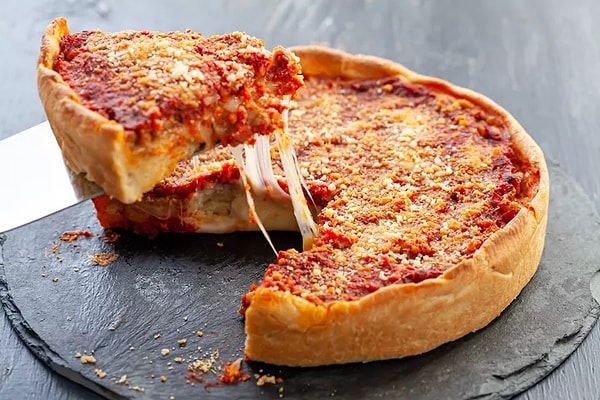
The following detailed analysis, in light of field data from the 2026 gastronomy guide, provides analytical answers to sectoral questions frequently posed by consumers, encompassing sociological and gastronomic dynamics.
Which District in Istanbul Has the Best Pizzeria?
Although the perception of gastronomic quality is highly subjective and variable, when an intensity analysis is conducted in the context of artisanal production philosophy, chef quality, and the clustering theory of restaurants, it is a scientific fact that the highest standard pizzerias in Istanbul are predominantly concentrated in the districts of Kadıköy (Moda, Koşuyolu) and Şişli (Teşvikiye). Kadıköy is the capital of innovative and diet-specific independent kitchens with establishments like Pizzeria Il Pellicano, which has its roots in Naples, Trattoria da Rosario with its rural atmosphere, Ferida with Bosnian meat touches, and the pioneers of 100% gluten-free/vegan innovation (Rolla, Lacto, Vegan Masa). Şişli and its surroundings (especially 400 Degree and Bargozzy Pizza) are dominated by high-end establishments that cater to a high-income profile, never compromise on classic Italian cooking techniques, and establish the golden balance between fine dining and casual dining. If the parameter is a luxurious ambiance and historical texture, Beyoğlu (Il Cortile, Pera Palace) offers unrivaled alternatives, and if it's a first-class sea view, Üsküdar (Osteria Salvatore) is unmatched.
Where Can You Eat Real Neapolitan Pizza in Istanbul?
In the world gastronomy literature, the term 'Real Neapolitan Pizza' is not a commercial slogan that can be used haphazardly; it is a strict certification that requires adherence to precise standards set by a non-profit official committee in Naples (AVPN Associazione Verace Pizza Napoletana). This certification mandates the specific fine grinding of flour (type 00), the use of San Marzano tomatoes, dough that is opened only by hand without touching a machine, and baking in 480-degree ovens using oak/beech wood for 60-90 seconds. The only establishment in Istanbul that holds this prestigious title, official certification, and supply network is Nappo Pizza (with its Levent Kanyon and Beyoğlu Tersane branches). Outside the official international boundaries of AVPN, other extraordinary establishments that successfully integrate the spirit of Naples into the city include Pizzeria Il Pellicano in Kadıköy Moda, which authentically adjusts dough resting times with its Naples-origin chefs, Imperia Ristorante in Armutlu, which adds an Italian characteristic to the dough with its unique sourdough interpretation, and Ferida in Suadiye, which offers top-tier Neapolitan touches baked in a wood-fired oven.
Which Pizzeria Has the Highest Delivery Rating in Istanbul?
In the delivery ecosystem, evaluation criteria are directly related not only to the taste of the product as it comes out of the oven, but also to the thermal insulation of the packaging, the time it takes to hand over the order to the courier, and the speed of delivery (operational excellence). In terms of speed, standardization, and portion consistency, international technology and food giants such as Domino's Pizza, Pizza Hut, and Little Caesars, which have capillary logistics networks in high-population districts like Bağcılar, Beşiktaş, and Üsküdar, achieve high levels of overall customer satisfaction and rating scores in line with the enormous order volumes they reach. However, when the evaluation criterion is specific 'gastronomic quality', dietary restrictions, and artisanal texture, the needle completely turns towards boutiques. Particularly, Imperia Ristorante in Armutlu, which has flawlessly adapted its operation model to order package service (delivery/takeaway) with its flexible structure conducive to the cloud kitchen concept, and Lacto in Kadıköy, which serves a special vegan audience with completely plant-based melting cheeses, receive incredibly high niche rating scores on platforms. As real thin Italian dough or artisan Neapolitan pizzas inherently lose their crispness quickly in a cardboard box (due to evaporation/condensation effect), the highest-rated deliveries from these top-tier establishments generally occur within narrow and localized (neighborhood-based) circles where the courier transport time is under 20 minutes and smart bags with thermal circulation are used.
Keşfet ile ziyaret ettiğin tüm kategorileri tek akışta gör!
 Test
Test
 Gündem
 Magazin
 Video
Video



Send Comment