


Heroic Struggle: Doctor Performs CPR on Top of Moving Stretcher to Save Patient


The line between life and death can sometimes be a matter of mere seconds. Maintaining composure and persistently making the right moves is the most critical factor when racing against time in emergencies. Our doctors, the heroes of countless similar stories every day, are engaged in a relentless battle for their patients.
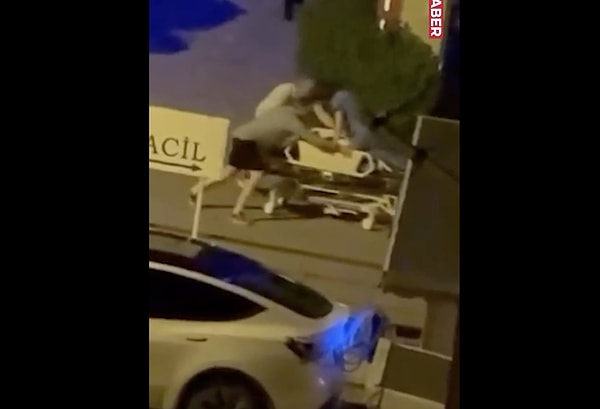
A doctor in Bursa, who started to intervene on the spot for a person whose heart had stopped, was captured on camera. After the intervention that lasted until the hospital, the patient's heart started working again. The moments when the doctor climbed onto the stretcher that was being rushed to the emergency room and continued to intervene without stopping both filled the viewers with pride and moved them emotionally.

You can watch it from here;
So why is rapid and uninterrupted intervention in cardiac massage so critical?
In the event of cardiac arrest, the flow of oxygen to the brain and vital organs is immediately cut off. Brain cells are the tissues most sensitive to lack of oxygen, and within 4 to 6 minutes after the heart stops, permanent brain damage or brain death begins to occur. This is precisely where Artificial Respiration and Cardiac Massage come into play.
During cardiac massage, regular pressure applied to the chest cavity mimics the pumping function of the heart. In this way, blood circulation is artificially maintained, and even if at a minimal level, oxygen continues to flow to the brain. However, any second-long gap or interruption in the intervention leads to a rapid drop in blood pressure in the vessels. When blood pressure drops, several compressions need to be made to reestablish effective circulation, which extends the time the patient's brain is deprived of oxygen.
As seen in the incident in Bursa, the doctor's relentless effort to continue cardiac massage without a moment's pause, even while climbing onto a moving stretcher and entering the hospital, was the key factor in preserving the patient's brain functions and helping the heart regain its rhythm. According to emergency medicine specialists, such 'uninterrupted' interventions before or during the transition to the hospital increase the patient's chance of survival by more than 50%. This relentless race against the seconds by professional health teams, when combined with the right technique and determination, results in a beating heart and a saved life.
Keşfet ile ziyaret ettiğin tüm kategorileri tek akışta gör!
 Test
Test
 Gündem
 Magazin
 Video
Video



Send Comment