


An Island That Formed Spontaneously 60 Years Ago


On the morning of November 14, 1963, a fishing boat off the southern shores of Iceland noticed something peculiar: the sea was boiling, and ash and steam were erupting into the sky. The underwater volcanic eruption that began that day continued to spew lava and ash for the next four years, essentially creating an island out of nothing. Named Surtsey, after the fire giant Surtur from Viking mythology, it is now the youngest island in the world. However, this birth story also set a countdown clock ticking. Just as it emerged, Surtsey will one day be swallowed back by the sea.

Surtsey Island: An Island Born from Scratch in the Middle of the Sea
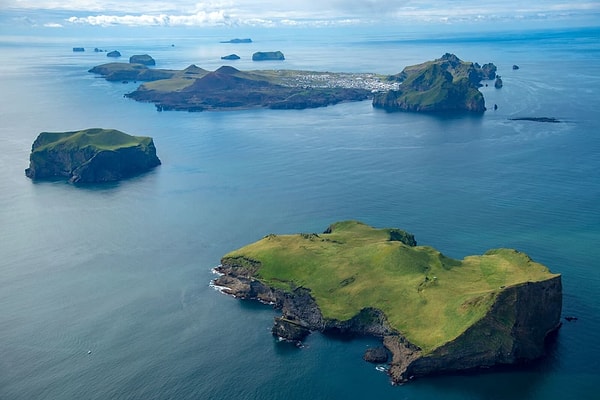
The explosion began 130 meters beneath the sea surface. In the initial few days, columns of steam reached heights of 10 kilometers, carrying ash as far as the coasts of Iceland. Icelandic scientists promptly approached the eruption by boat and witnessed a rare event in history: the formation of an island in real time. On November 24, the first pieces of land started to appear above water. As the explosions continued, the size of the island grew day by day. In 1964, the flow of lava carried on unabated, and Surtsey began to acquire a structure resistant to wave erosion. It reached its final size in 1967: 2.7 square kilometers, with its highest point at 174 meters.
However, this size was not to last.
Surtsey was designed to serve as a laboratory. In 1967, UNESCO declared the island an 'undisturbed biological observation area.' Only a select group of 510 scientists per year are allowed to set foot on the island, each wearing gloves and disinfected boots. The objective was simple: to document step by step how life forms in an uninhabited environment. The first living organism arrived in 1965, a sea rocket plant (Cakile maritima) carried by the wind. Within the same year, the first bird nest was built, and seagulls began to incubate. In the 1970s, colonies of seals seeking refuge on the island enriched the soil with their feces. By 2008, the island was home to over 60 species of plants, fungi, insects, and microorganisms. In fact, UNESCO added Surtsey to the World Heritage List in 2008. This decision guaranteed the protection of the island's scientific value.
Erosion and the vanishing soil
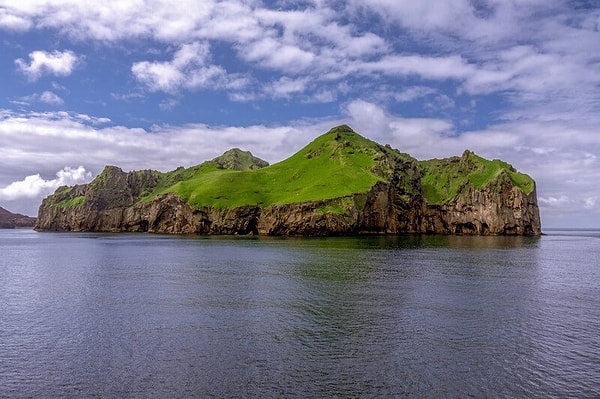
Today, the area of Surtsey has dwindled to a mere 1.3 square kilometers. This is due to the relentless erosion caused by the Atlantic waves. Each year, the island loses an average of one hectare. The pounding waves tear away the soil from the coast, while the wind scatters the loose layers of ash on the northwestern slopes. According to the most optimistic predictions of scientists, Surtsey will completely submerge under the sea by the year 2100. This means we have only 76 years left before we lose the youngest living island of humanity.
We witnessed a similar event in the Pacific in 2014. The Hunga TongaHunga Ha'apai volcano created a new island off the coast of Tonga. However, in January 2022, the same volcano swallowed almost the entire island with a massive eruption. The story of Surtsey serves as a vivid example of nature's cyclical process of creation and slow erasure.
Keşfet ile ziyaret ettiğin tüm kategorileri tek akışta gör!
 Test
Test
 Gündem
 Magazin
 Video
Video



Send Comment