


There Are Living Creatures Deep Within the Mariana Trench!


China's deep-diving vessel, Fendouzhe, made a remarkable discovery in 2025, uncovering thousands of worm and mollusk species at a staggering depth of 9,800 meters in the Mariana Trench. This revelation not only reaffirms the possibility of life even at the deepest points of our planet, but it also starkly highlights the fact that a whopping 95% of our oceans remain unexplored.

What Creatures Inhabit the Mariana Trench?
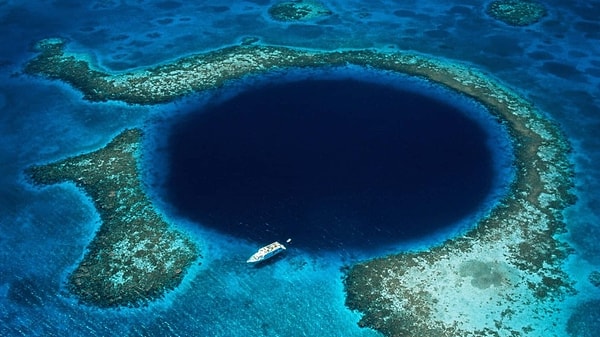
In the year 2025, an expedition conducted by the China National Deep Sea Center using the Fendouzhe submersible revealed a thriving ecosystem of hundreds of different worm and mollusk species residing at a depth of 9,800 meters in the Challenger Deep region of the Mariana Trench. These organisms have demonstrated an astonishing ability to survive under conditions of 1,100 atmospheres of pressure, zero-degree temperatures, and complete absence of sunlight.
Among the discovered species, piezophile bacteria and archaea organisms particularly stood out. Dr. Craig Smith from the Woods Hole Oceanographic Institution, in his research published in the Nature Geoscience journal in 2024, shed light on the fact that these organisms possess special lipid structures in their cell membranes, enabling them to withstand extreme pressure.
How Has the History of Humanity's Deep Ocean Exploration Evolved?
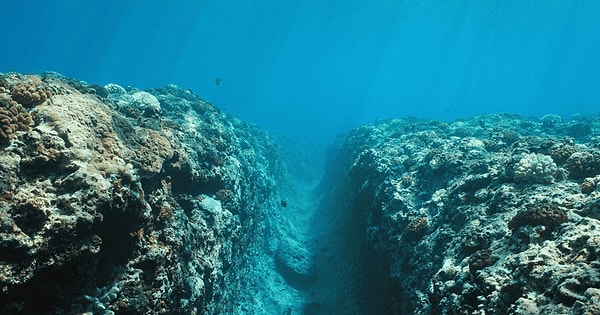
The contemporary era of deep-sea exploration kicked off in 1960 when Don Walsh and Jacques Piccard reached the deepest point of the Mariana Trench, the Challenger Deep (10,994 meters), aboard their bathyscaphe named Trieste. During this historic dive, the duo spent 20 minutes at the bottom, reporting signs of life they observed.
In 2012, National Geographic Explorer James Cameron reached the same depth solo aboard his custom-designed Deepsea Challenger, collecting scientific samples for three hours. This discovery by Cameron marked a turning point in modern deep-sea research and paved the way for the discovery of numerous new species.
How is Life Possible Under Extreme Pressure?
The living conditions at the bottom of the Mariana Trench rank among the most challenging environments on Earth. The pressure created under an 11-kilometer column of water is about 1,100 times the atmospheric pressure at sea level - a force capable of instantly crushing a human.
Dr. Bartlett Bartolomew from the Scripps Institute of Oceanography explained in his 2023 study published in Science Advances that these organisms have developed special evolutionary mechanisms called 'piezoadaptation'. These creatures produce enzymes that can alter their protein structures as pressure increases, and they synthesize special carbohydrate compounds that strengthen their cell walls.
What's the Secret of the Hydrothermal Vent Ecosystem?
The foundation of life in the Mariana Trench is formed by chemosynthetic bacteria that thrive around hydrothermal vents. Instead of sunlight, these bacteria use sulfur compounds as an energy source to produce food - a process called 'chemosynthesis', in contrast to photosynthesis.
According to a 2024 study by Prof. Hiroshi Kitazato from the Tokyo University Institute of Marine Science and Technology, these bacteria form colonies in areas where hydrothermal fluids reaching temperatures of 400 degrees per hour mix with 2-degree cold bottom waters. This unique energy source forms the basis of the entire deep-sea food chain.
Why is 95% of Our Oceans Still Unexplored?
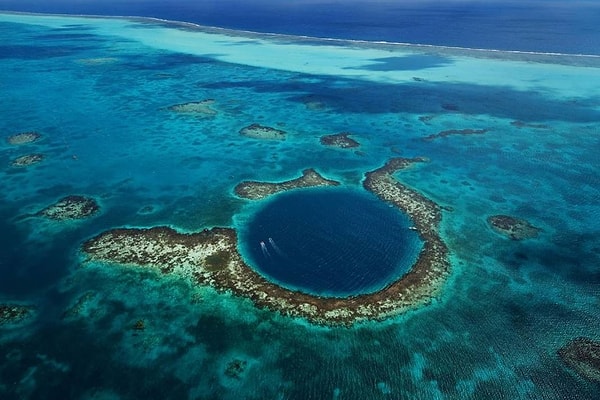
According to data from the National Oceanic and Atmospheric Administration (NOAA), mankind has only explored a meager 5% of our oceans. Astonishingly, this percentage is even lower than the extent to which we've explored the surface of Mars. The primary reason for such limited deep-sea research is the challenge and expense of developing technology that can function under extreme pressure, darkness, and cold conditions.
The construction of a deep-sea diving vessel comes with an average price tag of 50 to 100 million dollars, and each diving operation requires a daily expenditure of 100,000 dollars. Despite these steep costs, countries such as China, the United States, Japan, and Russia are ramping up their investments in deep-sea exploration by 2025.
What Does the Future Hold for Deep Sea Exploration?
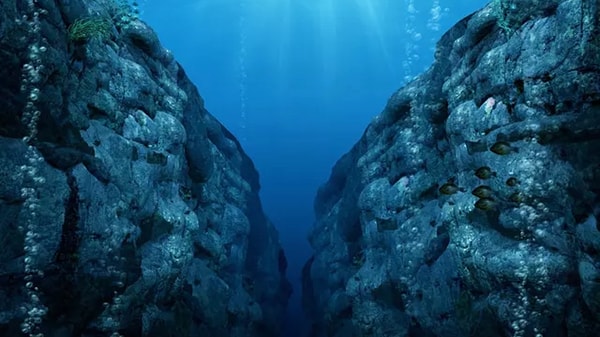
The discovery of Fendouzhe in 2025 heralds the dawn of a new era in deep-sea exploration. According to the 2024 report from the Woods Hole Oceanographic Institute, advancements in autonomous underwater vehicle (AUV) technology over the next decade will make deep-sea explorations both more economical and comprehensive.
These discoveries hold potential not just for satisfying scientific curiosity, but also for the development of new antibiotics and drugs. Enzymes derived from piezophilic bacteria living in the Mariana Trench could revolutionize industrial biotechnology applications.
Keşfet ile ziyaret ettiğin tüm kategorileri tek akışta gör!
 Test
Test
 Gündem
 Magazin
 Video
Video



Send Comment