


The Day the Sun Went Out: The Shocking Story of the Year Without a Summer in 1816


The year 1816, known historically as the 'Year Without a Summer,' stands out as one of the most extraordinary meteorological years ever experienced by mankind. Even during the summer months, frost was prevalent across vast regions of North America and Europe, leading to the devastation of crops and triggering waves of famine across continents. But what was the underlying cause of this scenario? The answer lies in one of the largest volcanic eruptions ever recorded in history, which occurred some 2,300 kilometers away, in Indonesia.

On the dates of April 10-11, 1815, Mount Tambora erupted in what is known to be the most powerful volcanic explosion in recorded history.
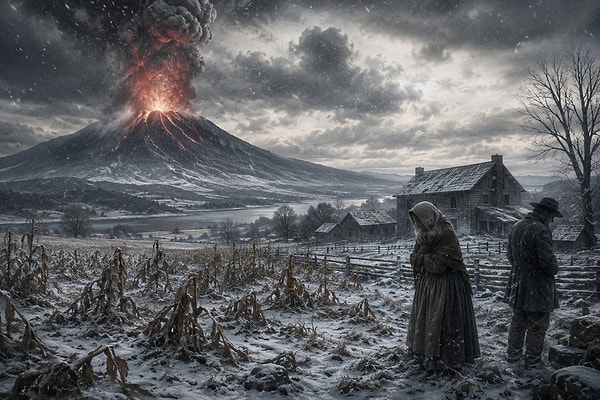
This eruption that took place on Sumbawa Island was believed to be ten times the magnitude of Krakatoa, and it was of such intensity that it could be heard almost anywhere in the world. According to data from the U.S. Geological Survey (USGS), the eruption hurled approximately 150 cubic kilometers of volcanic material and a colossal amount of sulfur dioxide gas into the atmosphere. This gas transformed into millions of tons of sulfate aerosols in the stratosphere layer, reflecting back sunlight and thereby reducing global temperatures by an average of 0.4 to 0.7 degrees. While this figure may seem insignificant from a meteorological perspective, it had devastating implications for agriculture.
What's Happening Around the World?
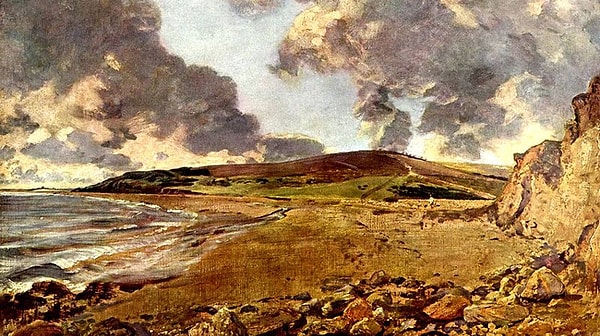
In the summer of 1816, the region of New England in the United States experienced an unusual phenomenon - snowfall in the months of June, July, and August. Mid-June in Pennsylvania saw freezing conditions, while in Missouri, fires were lit to combat the chill in the heart of the season. The situation was no different in Europe: both Ireland and Germany witnessed a drastic drop in grain harvests, over fifty percent in some cases. Over in East Asia, particularly in China, unexpected cold waves wreaked havoc on rice fields. Historian Gillen D'Arcy Wood, in his 2014 publication 'Tambora: The Eruption That Changed the World,' provides evidence that hundreds of thousands of people lost their lives to starvation and epidemic diseases during this period. Some estimates even suggest that this figure could exceed two hundred thousand.
Artworks Born from Catastrophe
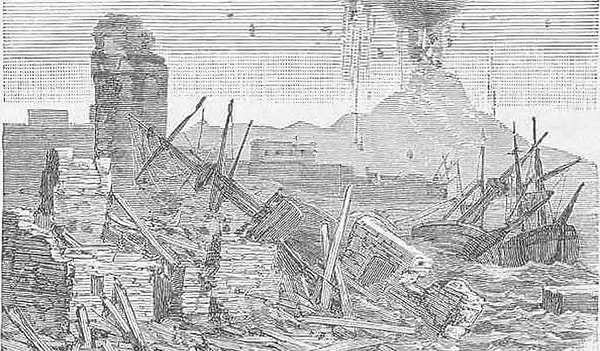
In an astonishing twist, the gloomy atmosphere of 1816 bestowed upon the world of art some immortal masterpieces. Mary Shelley was a young writer who, during that year, found herself confined with friends by the misty shores of Lake Geneva where the summer failed to come. It was during a 'ghost story writing' competition that she found the inspiration for 'Frankenstein'. Concurrently, Lord Byron penned his melancholic poem titled 'Darkness'. It is believed that the unusual red-orange sunset paintings by J.M.W. Turner also belong to this period, likely drawing their inspiration from the optical effects created by volcanic dust in the atmosphere.
Can History Repeat Itself?
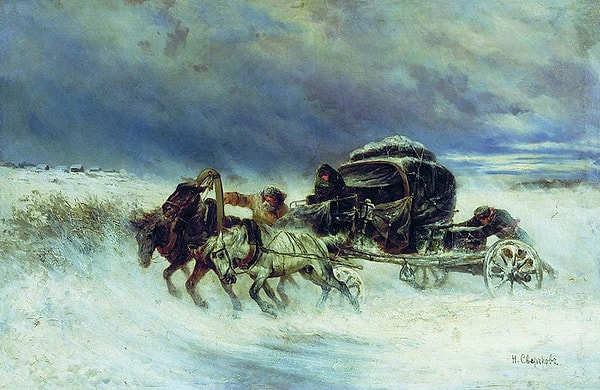
Volcanologists are suggesting that a similar magnitude eruption could very well happen in the future. The Yellowstone supervolcano or the active volcanic belt in Indonesia are, in this context, topping the watchlist of scientists. The Global Volcanism Program unit of the Smithsonian Institution is diligently monitoring over 1,350 active or potentially active volcanoes worldwide. The experience of 1816 continues to serve as one of the most striking historical evidences of how a single volcanic event can radically shake up the global climate, agriculture, economy, and even literature.
Keşfet ile ziyaret ettiğin tüm kategorileri tek akışta gör!
 Test
Test
 Gündem
 Magazin
 Video
Video



Send Comment