


Car Owners in Shock: Man Shares Ruined Vehicle After Wrap Melts Under Extreme Heat


Protecting one's car as if it were the apple of their eye, keeping it free from scratches and stone marks, has become a top priority for every driver. Transparent paint protection films, which have gained popularity especially in recent years, are presented as one of the most effective solutions to preserve the original shine of vehicles. However, low-quality alternatives produced with inferior raw materials to reduce cost can ironically pave the way for a disaster while promising protection.
A man who saw the protective film on his car melting shared the condition of his hood. These images sparked a debate on whether protection films are unnecessary, or if only high-quality products should be chosen. The video, which quickly spread on social media, once again highlighted this hidden danger in the automotive world, particularly during these hot summer days.

You can watch it from here;
So, do these coatings cause permanent damage to the vehicle?
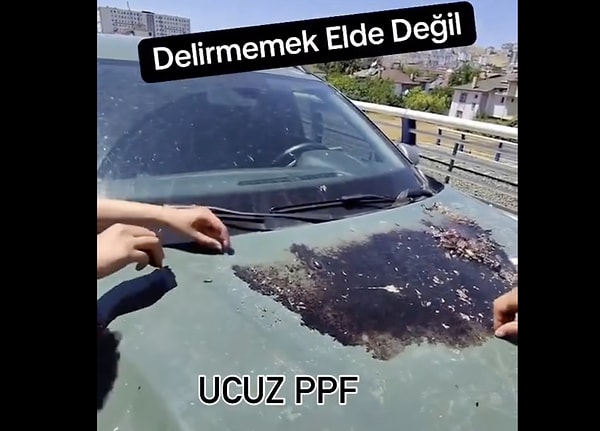
The quality of protective transparent films applied to cars reveals itself not only by the initial shine on the day of application, but also when it's time to remove them years later. Quality and original polyurethane-based PPF materials can be easily removed without damaging the paint due to their flexible structure. However, cheap PVC-based products practically weld to the vehicle surface over time, under the influence of sunlight and heat. The adhesive layer, whose chemical structure has deteriorated, hardens and petrifies, lifting the underlying varnish layer, and even the original paint of the vehicle in a mold-like form when attempted to be removed. Car owners, in their attempt to avoid scratches, find themselves in a much more costly process where they have to have the entire hood or fender repainted.
Experts in the field list the critical points that drivers need to pay attention to before having a paint protection process as follows:
Choose Polyurethane: High-quality PPF films are made from polyurethane material; they are flexible, do not yellow, and do not leave adhesive when removed. The cheap ones are made from hard PVC.
Ask for a Warranty Certificate: Make sure that the center where you will have the application is an authorized dealer of globally recognized brands and offers an official manufacturer's warranty.
Leave the Removal Process to the Expert: Do not try to remove films that have expired or are understood to be of low quality by pulling them off with your own means at home. Ensure they are removed with heat guns and special solutions at professional stations.
Keşfet ile ziyaret ettiğin tüm kategorileri tek akışta gör!
 Test
Test
 Gündem
 Magazin
 Video
Video



Send Comment